The Quiet Rise
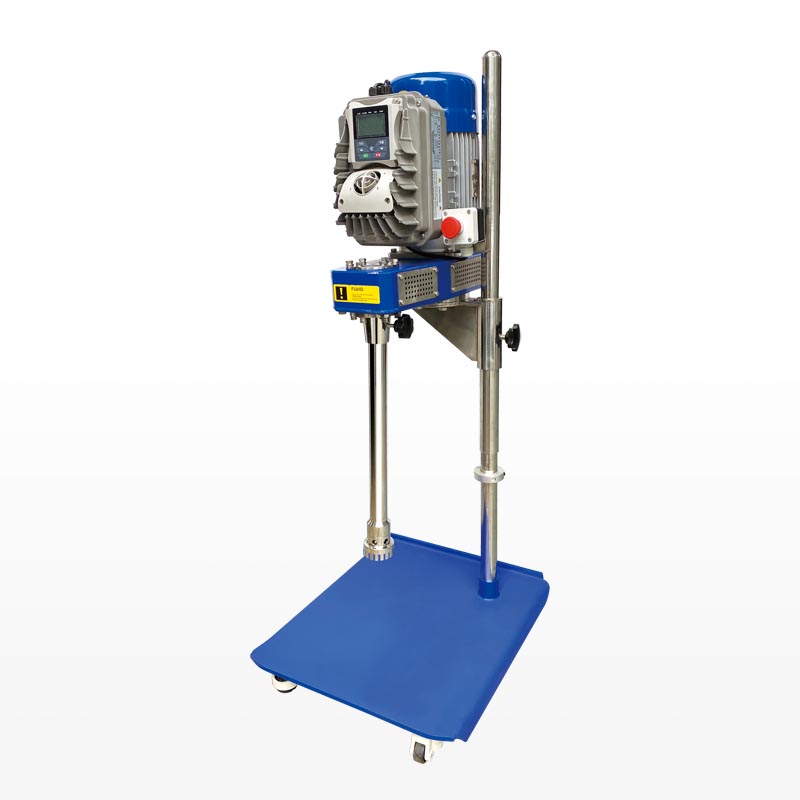
Once, mixers were simple beasts: blades turning in tanks, hands tasting for texture. Today, manufacturers choreograph complex motion so that molecules meet and marry without violent surprise. Makers refined torque, geometry, and flow until devices like the inline high shear mixer could compress hours of slow agitation into a steady, controlled stream. That steady stream changed how formulators think about scale, repeatability, and product fidelity.
Milestones Along the Way
The story moves by clear advances. Rotor-stator assemblies focused energy where ingredients must part and mingle. Improved seals and finishes tamed contamination risk. Process controls translated artisan instinct into reproducible setpoints. Each shift answered a problem: faster dispersion, tighter droplet size distribution, gentler solids handling. Together these steps rewrote what a maker of mixing equipment must deliver.
Design Choices That Shape Outcomes
Performance is a narrow ledger of decisions. Shear intensity, residence time, and flow path matter more than marketing claims. Material selection affects product compatibility and cleanability; geometry dictates scale behavior. Proper controls preserve heat-sensitive chemistries. Manufacturers who marry mechanical clarity with simple instrumentation let operators adjust one knob and trust the result.
Pitfalls and Practical Alternatives
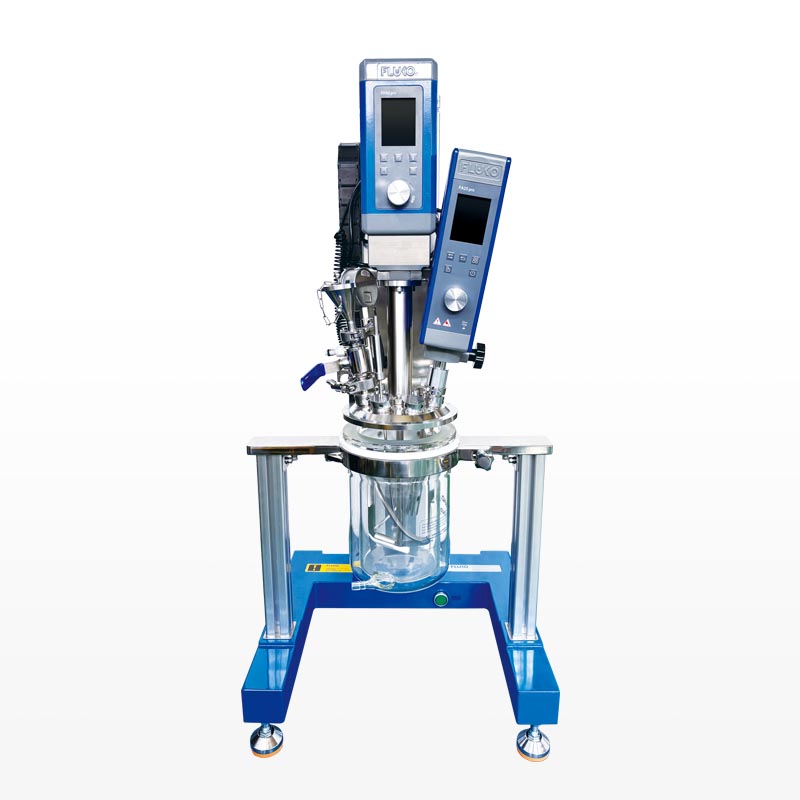
Common mistakes are candid: treating scale-up as a linear problem; over-shearing emulsions to fragile oils; ignoring pipework that creates dead zones. Alternatives exist when needs differ: batch high-shear vessels for small runs, ultrasonicators for niche nano-dispersion, or low-shear paddles for fragile suspensions. Choose by the physics—what forces the product must experience—not by brand promises.
Experience, Evidence, and a Real-World Anchor
Decades of field deployments teach clearer lessons than any brochure. Engineers who commission plants near Basel, Switzerland have repeatedly preferred inline installations when space, sterility, and throughput demand continuity; their commissioning reports show predictable scale behavior when a well-specified high shear inline mixer is paired with controlled feed and temperature. Peer-reviewed process studies and regulatory inspections back that preference, so one trusts manufacturers who test at scale and publish methodical data rather than anecdotes.
The Present and What Comes Next
Manufacturers now stand between craft and calculation. They must offer machines that read process intent and return consistent product. The evolution is not finished; sensors will grow sharper, seals kinder, and control loops wiser. For operations that require predictable dispersion and hygienic handling, the pragmatic choice is a partner whose machines are designed from recipe to installation—this is the value brought forward by FLUKO.