Introduction — Scene, Data, Question
Have you ever felt proud of a lab win and then watched a simple bottleneck erase half the benefit? I see that a lot. In busy clinics and research labs, an automated nucleic acid extraction workstation sits at the center of that tug-of-war between speed and reliability.
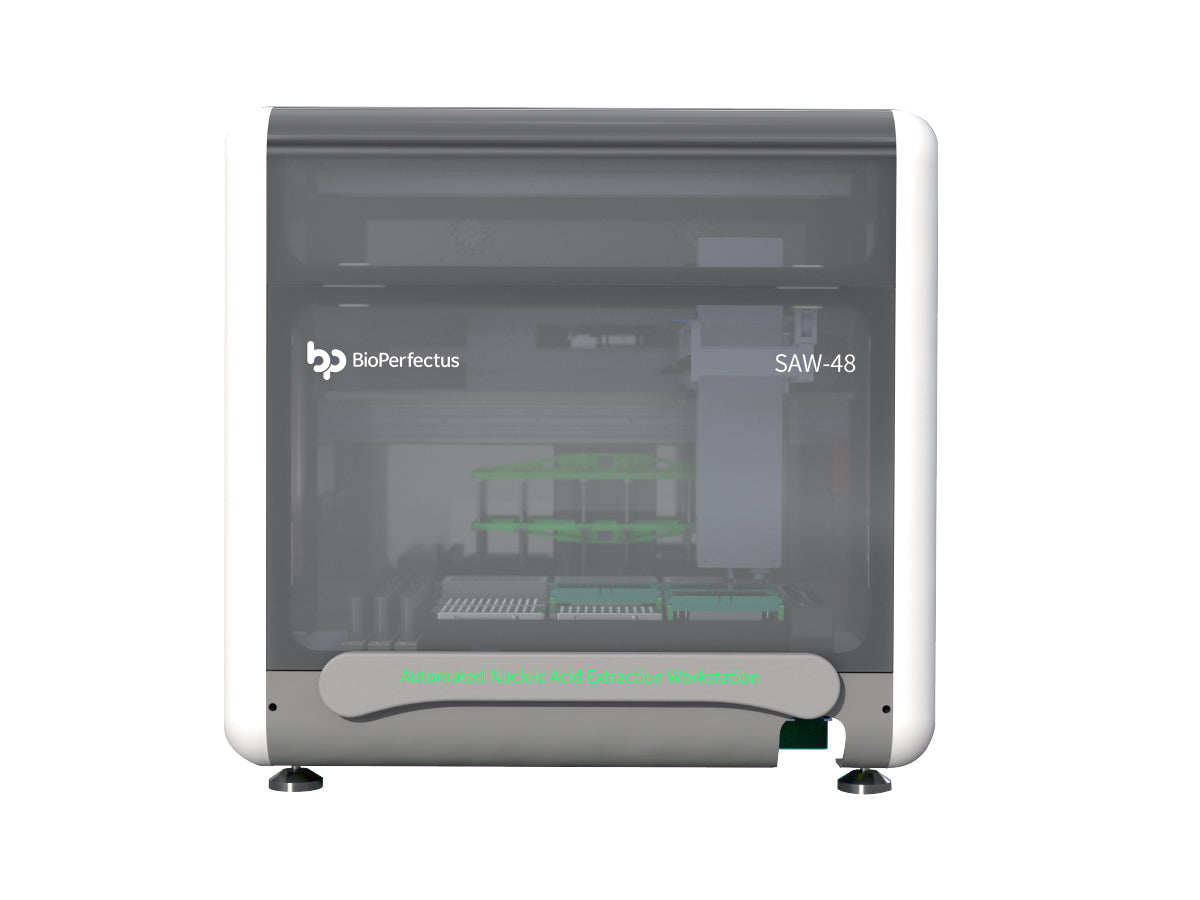
Let me sketch a quick scenario: a regional lab scales testing volume 3x during a seasonal surge. Turnaround time slips from 8 hours to 24 hours. Staff burn out. Samples backlog. (We track these metrics closely.) Now consider the data: even modest improvements in extraction consistency cut repeat tests by 20–30%. So I ask — how do we reduce re-runs without inflating costs or staffing? This question guides every product choice I make as a manager focused on outcomes and user experience.
In the next section I’ll dig into where things usually break — not the shiny failures but the quiet, expensive ones — and why those failures matter more than you think. Let’s unpack that.
Peeling Back the Layers: Traditional Flaws and Hidden Friction
I want to be direct: the basic nucleic acid extraction workstation model solves repeatability, but it often misses the subtler pains labs live with daily. Many systems assume ideal sample prep. They expect perfect sample volumes, clean lysis, and no PCR inhibitors. Reality is messier. Samples vary. Swabs arrive partially dried. Tissue homogenates clog channels. Magnetic bead separation can be sensitive to small deviations. Throughput targets become wishful thinking when you need manual rescue steps, and that’s costly — in time and morale.
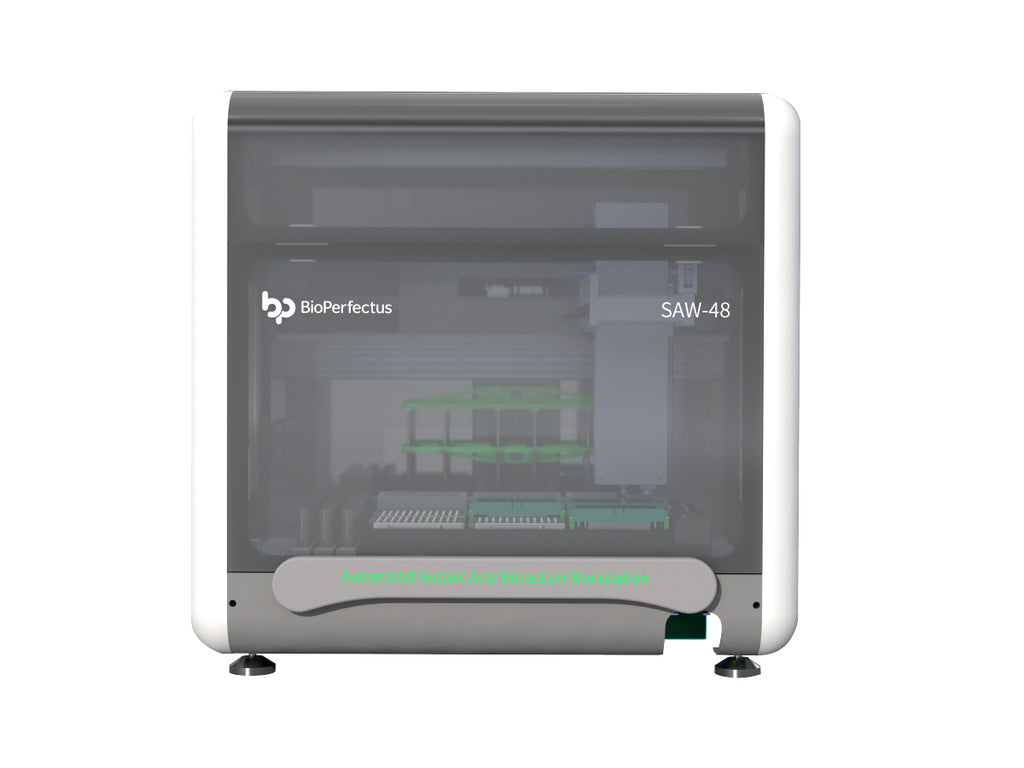
Look, it’s simpler than you think: the user isn’t just buying a machine. They buy a set of assumptions about workflow. When those assumptions fail, the downstream impact is large. Common technical pain points include inconsistent binding efficiency during bead-based extraction, pipetting errors in automated liquid handling, and hardware fouling that trips a robotic arm into emergency stop. These are not glamorous problems. They are the exact issues that cause delayed reports, wasted reagents, and frustrated technicians. We’ve seen labs defer maintenance because the cost of downtime seems higher than the risk of error — except the errors add up. In short: reliability at scale requires addressing edge cases, not just peak performance.
Why do these small failures matter so much?
Because each repeat test eats into throughput and confidence. Each tweak by a technician adds variability. Over weeks, those small frictions compound into lost capacity and strained teams. That’s why we need to design for the messy middle — not just the ideal day.
Looking Ahead: New Principles and Metrics for Better Choices
Now let’s shift forward. I’ll describe a few practical principles that should guide new systems and procurement decisions. First, modular redundancy: design pathways so a single clogged channel doesn’t stop a whole run. Next, adaptive protocols: software that recognizes sample variability and adjusts lysis times or wash cycles on the fly. Finally, transparent diagnostics: easy-to-read logs and simple maintenance prompts that keep technicians in control. These principles aren’t theoretical — they’re what I look for when evaluating upgrades to a nucleic acid extraction workstation.
What’s Next — real-world impact and practical steps. Consider a deployment where a lab switched to an extraction platform with built-in adaptive protocols and saw repeat testing drop by 25% within two months. Staff reported fewer panic calls. Throughput improved because runs required fewer manual interventions. That’s measurable and human — the kind of change that relieves people as much as it speeds results. — funny how that works, right?
To help teams choose the right solution, here are three evaluation metrics I recommend: 1) Effective throughput under mixed sample types (not just ideal samples), 2) Mean time to recovery after an error (how quickly a user can resume a run), and 3) True reagent yield (how much usable nucleic acid you get per input after accounting for repeats). Use these metrics in side-by-side comparisons and pilot runs. We’ve used them to make purchasing decisions that cut costs and improved staff satisfaction at the same time.
I’ve walked you from the moment of pain to concrete selection criteria. I care about tools that make labs less fragile and more humane. If you want to explore practical options, take a look at solutions from BPLabLine. They’re built with operational realities in mind, and I find that important when I’m advising teams.