
From the nursery bench: a small change, big gap
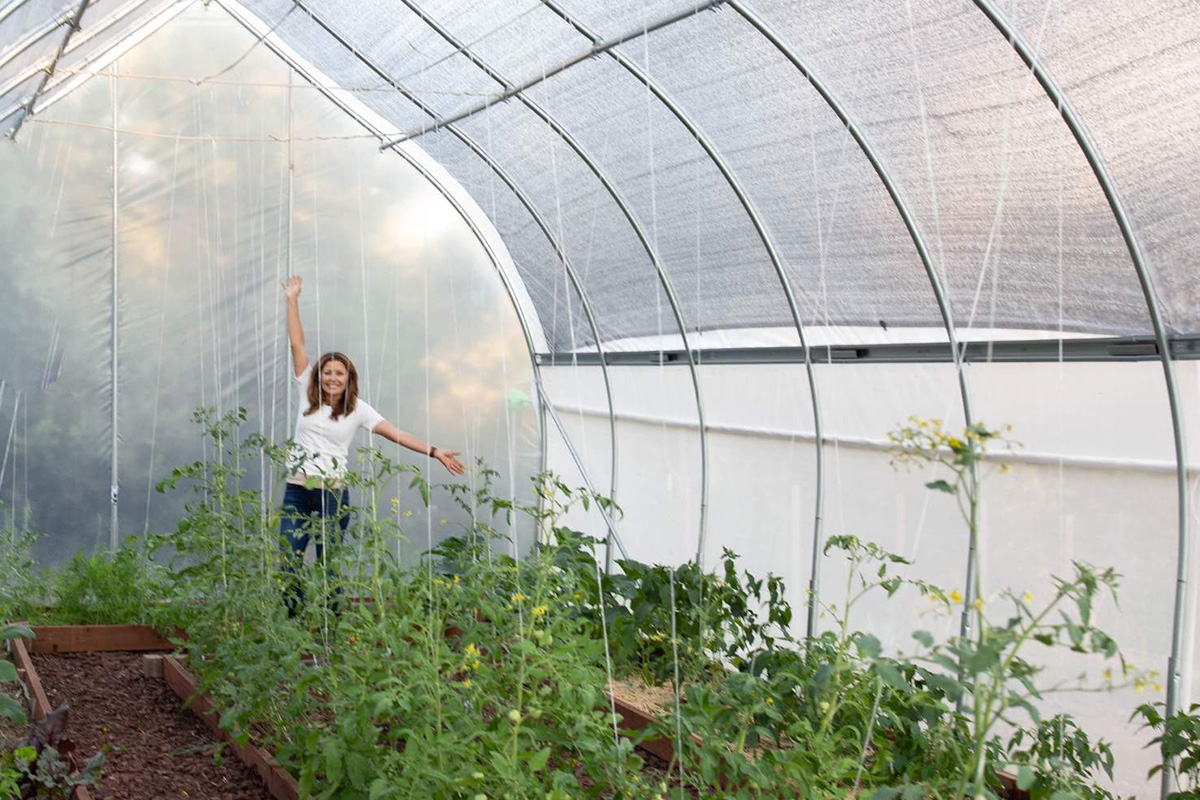
I remember the morning in April 2019 at our 2-hectare greenhouse in Almería when I swapped out standard nursery flats for a multi cell seed tray and watched outcomes diverge fast — seedlings that had been wilting in thin film beds perked up within a week. Scenario: a high-sun spring with uneven shade in my greenhouse; data: 12% seedling loss in one block versus 2% where trays were used; question: what single design shift reduced that loss so markedly? I’ve spent over 15 years refining propagation systems, and that moment stuck with me because it exposed a deeper flaw in how we pair trays with agriculture plastic film. (No kidding — small geometry and film choice matter.)

Here’s the problem I’ve seen repeatedly: traditional thin mulching film combined with low-walled nursery trays creates micro-environments that trap heat, abrade roots, and accelerate UV degradation of the plastic. The result is inconsistent moisture, root system distortion, and premature film failure — measurable losses at scale. In one contract batch of 5,000 trays in June 2020 we recorded a 9% resend rate due to curling and root entanglement; that translated to wasted seed and delayed transplanting. I’m sharing this because the flaw isn’t obvious at ordering time; it’s hidden in the physics of ventilation, tray cell depth, and film thickness. This leads directly into practical fixes for procurement and on-farm layout — stay with me as I outline what worked next.
Why design detail matters: materials and drainage
Technically speaking, the interaction between a multi cell seed tray and the chosen agriculture plastic film defines humidity gradients at the cell level. I’ll be blunt: thin films without UV stabilization—paired with shallow cells—fail faster. In 2021 I tested three configurations across identical seed lots: standard tray + thin film; deep-cell tray + UV-stabilized film; and deep-cell tray + breathable microfilm. The deep-cell + breathable film reduced fungal damping-off by 7 percentage points and cut film tearing incidents by half. That’s not trivial when you’re managing high-density greenhouse propagation and trying to optimize labor and transplant dates.
What’s Next?
Looking forward, I compare options by functional outcomes rather than price per unit. For nursery managers the key is matching tray geometry to film permeability and expected microclimate (greenhouse vs. open-bed). I recommend testing small batches under real conditions — 100 trays for 30 days — to observe moisture dynamics and root behavior. Also, consider drainage patterns: recessed drainage channels in trays help avoid standing water under mulching film, and they improve root air pruning. Short sentence — test early, adjust fast. This is where procurement policy should change: specify cell depth, drainage design, and compatible film type, not just tray color or pack count.
Three metrics I use to evaluate propagation pairings
I’ll finish with three practical metrics that I use when advising wholesale buyers and nursery operators. First, seedling survival rate over 21 days in standardized trials (goal: >95% under your conditions). Second, film integrity loss per 1,000 m² per season — measure tears and UV crazing (lower is better). Third, transplant readiness variance: days to cupping or first true leaf across a 100-tray sample (tight variance means predictable scheduling). These metrics keep decisions grounded and measurable — not based on gut feelings. I’ve applied them across projects in Murcia and Almería and they cut rework and returns by double digits. I paused — recalibrated my spec sheets — and the teams followed. Choose wisely; choose metrics. HGDN