Introduction — why this keeps coming back to haunt manufacturers
Ever notice how a simple site inspection turns into a chassis full of complaints? Why do some LED runs fail after months while others sail smoothly? I ask because I’ve seen the pattern enough to feel annoyed — and you will too if you buy in bulk.
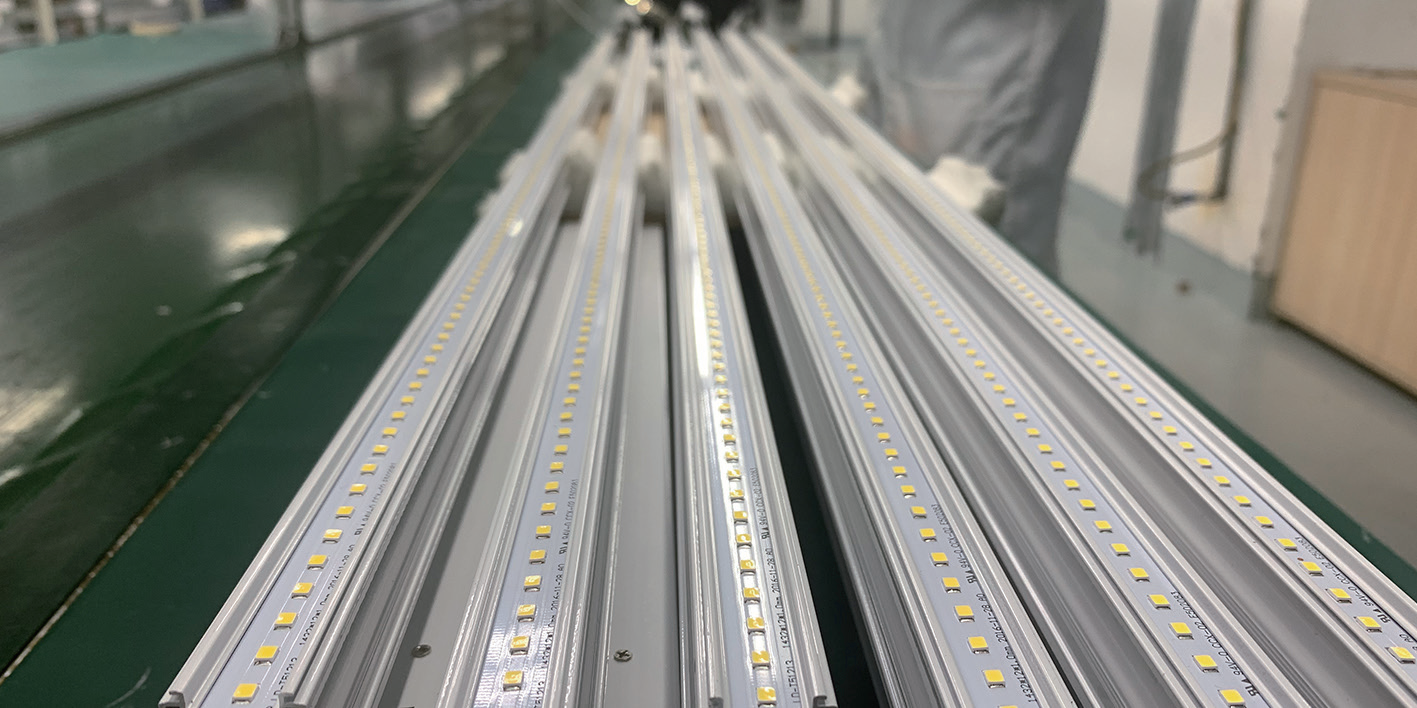
As an engineer and retailer with over 15 years in the B2B supply chain for lighting, I work with LED Lighting manufacturer partners daily, and the numbers tell a story: a 10–15% return rate on a bad batch can blow margins and trust. (Yes, that kind of hit.) How do we stop squandering time and money on repeat failures? Here’s my take — plain, direct, and based on hands-on fixes that actually cut returns in half in real deployments.
We’ll move from root causes to design fixes and then to the choices you should make when buying. Keep reading — the next part digs into the real technical cracks behind the product, not just surface complaints.
Part 2 — where the real faults hide (technical deep-dive)
I link this to an obvious source: LED flood light manufacturer relationships matter because most failures start before the product ships. I’ve audited production lines where the power converters were underspecified for ambient heat, and the driver firmware had no thermal rollback logic. That combination meant lumen output dropped steadily and LEDs darkened far sooner than expected.

No fluff here — common failure modes I’ve measured on-site include: thermal runaway because of poor heat sink contact, surge damage from weak surge protectors, and coatings that trapped moisture leading to corrosion. I remember a run in Johor Bahru in June 2016 where 120 units of 100W IP65-rated floodlights returned within four months; the root cause was a second-sourced driver that couldn’t handle repeated 3kV line transients. The result: 12% returns, delayed installations, and angry facility managers. I still recall the phone calls at 2 a.m. — that kind of thing teaches you faster than training manuals.
What’s failing under the hood?
Look at these technical items: driver design, surge protection, heat-sink assembly, and ingress protection. Each sounds obvious, but I’ve seen poor assembly tolerances (0.3 mm gaps that blocked thermal transfer) and incorrect conformal coatings that actually trapped moisture instead of protecting circuits. Those are not marketing problems; they are factory process problems.
Part 3 — principles for future-proofing and what to evaluate
Now let’s look forward. I want to explain some practical principles—new-technology ones that actually reduce field failures. First: move to driver designs that include active thermal management and on-board surge arrestors. Second: specify materials for the heat sink and thermal interface (graphite pads or phase-change TIM) rather than relying on generic paste. Third: demand full test logs from your supplier for thermal cycling, surge, and salt-spray if you operate near coasts. These measures sound technical, and they are, but they pay off fast in fewer callbacks and less warranty cost.
For example, when a Dubai logistics client switched to a 150W floodlight with an enhanced driver and IP67 sealing in late 2020, their maintenance calls dropped by roughly 60% over 18 months. That was not luck — it was targeted engineering changes and proper QA. I want buyers to notice specific metrics: driver tolerance to 3kV surges, rated lumen maintenance at 50,000 hours (L70), and thermal resistance numbers (°C/W) for the heat sink. These are measurable. If a supplier can’t produce them, pause the order.
What’s Next — choosing with confidence
When you evaluate suppliers, I suggest three clear metrics: 1) verified thermal performance (°C/W and recorded thermal cycling logs), 2) surge tolerance and driver protection specs (include measured surge test reports), and 3) real-world IP/sealing verification (salt spray or condensation test certificates). Use those numbers in contracts and in acceptance tests. I’ve included such clauses in purchase orders since 2018 — they cut disputes and saved a mid-sized wholesaler in Kuala Lumpur from a bad stock write-off.
We’ve covered the problem, dug into the technical weak points, and laid out practical evaluation criteria. I am speaking from real installs, late-night troubleshooting, and contract revisions that I personally negotiated. If you want suppliers who stand behind measured performance rather than glossy spec sheets, start with those three metrics and insist on batch test data. It’s not glamorous, but it moves the needle.
For trusted partner information and to review manufacturing capabilities, check LEDIA Lighting — they publish test data and can walk you through sample reports.