Introduction: A Roadside Moment, Some Numbers, One Hard Question
I pulled into a tiny hill-town bar after a fast run, gloves still warm, helmet fogged, and the engine ticking as it cooled. The v4 bike settled beside a row of twins and triples, all humming their own lullabies to the stones. I had chosen a v4 engine motorcycle for the smooth surge and the balance at speed. But as I watched, I counted: three riders rubbing aching wrists, two checking temps on their dash, one muttering about fuel range. Small scene, big story.
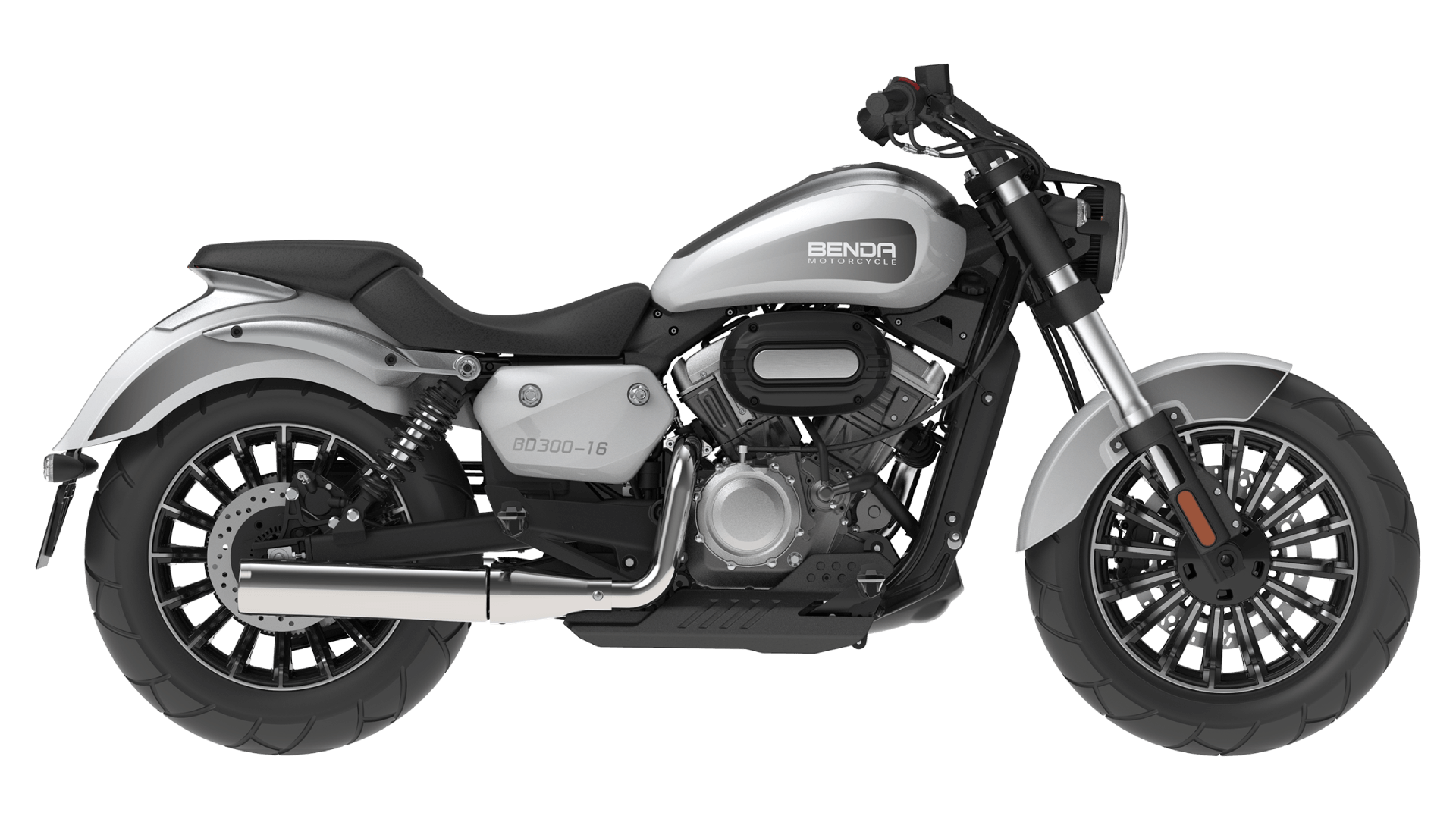
Data says a lot. In some segments, nearly 1 in 4 premium sport bikes sold today are V4s, yet owner forums are full of heat complaints, mid-range “flat spots,” and setup confusion. That’s not random noise. It’s a pattern. Are we judging the V4 by rules made for other layouts, and then blaming the bike when it plays a different game? (Mamma mia, we do love a good debate.) The question is simple: are our comparisons honest, and are our fixes modern enough to match the platform? Let’s ride toward that answer—step by steady step.

Under the Fairing: Why Old Fixes Still Miss the Mark
What keeps breaking the promise?
Let’s get technical for a moment. Many riders attack V4 pain points with twin-era habits: richer fueling to cool things down, loud pipes to “free” the top end, stiffer springs to calm pitch. Look, it’s simpler than you think—those fixes often mask the real issue. A V4’s compact packaging changes airflow around the radiators, so heat soak behaves differently at low speed. The torque curve is smoother, but the ECU mapping might prioritize emissions at partial throttle, creating that mid-range dip you feel. Add in ride-by-wire strategies and a dense exhaust routing, and you get backpressure quirks that a generic slip-on can’t solve—funny how that works, right?
There’s more. Many V4s use a counter-rotating crank to improve agility. This alters chassis feedback under load, especially on corner exits. If you carry over the same preload and rebound targets you used on a long-stroke twin, the bike may feel nervous, not neutral. Then the corrections stack. You chase vibrations that are really NVH from heat-cycled mounts. You blame fueling when the catalyst is the bottleneck. You add weight to stabilize, and kill the power-to-weight ratio you paid for in the first place. The traditional “bigger jet, harder spring” loop was yesterday’s tool. Today’s answer is smarter cooling paths, targeted ECU trims, and small geometry tweaks that respect the platform’s DNA.
Comparative Insight: Principles That Push V4s Ahead
What’s Next
Now, let’s look forward with a cooler head. The next wave of v4 bikes leans on new principles, not just bigger numbers. Think thermal management by design: dual-stage fans, split radiators, and fairing ducts that manage boundary layers at city speeds. Think smarter brains too—edge computing nodes in the ECU that blend traction control and throttle bodies logic, predicting grip from IMU data before you roll it on. That means fewer band-aids and more harmony. A revised catalyst with lower backpressure, plus adaptive ignition timing, can unlock mid-range without waking the neighbors. Combine that with a slipper clutch tuned to the crank’s inertia, and you get corner entries that feel carved, not forced.
Real progress also comes from comparative tuning, not copy-paste mods. Benchmark the V4 against a parallel-twin and a triple in the same weight class; define baselines for heat rejection, fueling latency, and chassis pitch. Then choose parts that fit these targets. Variable valve timing for low-end fill. A higher-capacity oil cooler to protect bearings during summer traffic. Software updates that smooth the throttle maps you actually use, not the ones for track-only sessions. And yes, a little humility—testing one change at a time, recording temps and lap deltas (even street riders can do simple logs). When you see the data align with the feel, the bike turns from “finicky” to faithful—another small miracle of good setup.
Closing Insight: Smarter Choices, Fewer Regrets
So, what did we learn without repeating ourselves? First, V4 pain points often come from old habits, not the platform. Second, the right fixes are precise: airflow, ECU trims, and geometry that suit the compact layout. Third, the future favors integrated solutions—cooling, mapping, and hardware working as a system, not a pile of parts. Evaluating your options? Use three simple metrics: track heat behavior after a 15-minute urban loop, mid-range throttle smoothness measured by roll-on consistency, and stability on corner exit judged by repeatable line choice. Do that, and the lessons stick. Do that, and the bike speaks clearly—funny, the voice was there all along. For riders who want a steady partner, the signposts are set. You only need to read them with care, con calma, and enjoy the road with BENDA.