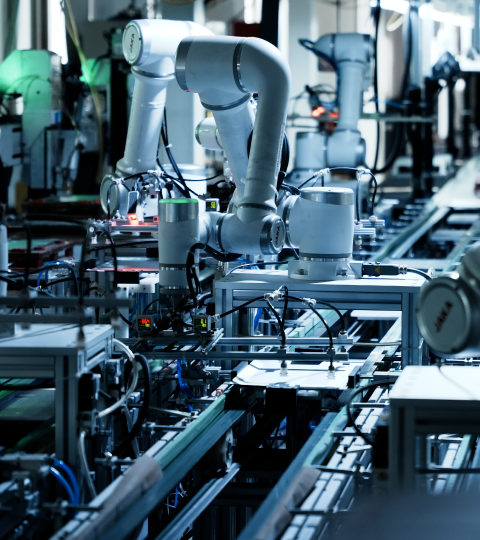
A Transformative Scenario in Automation
Imagine a busy warehouse where every second counts. In this environment, inefficiencies can lead not only to lost profits but also to frustration among staff. According to industry estimates, traditional automation methods can lead to as much as a 30% slowdown in processes when errors occur. So, how can we tackle this challenge? Enter the collaborative robot, designed specifically for jobs like those handled by pick and place robots. These robots work alongside human workers, enhancing productivity without the bottlenecks usually associated with older systems.
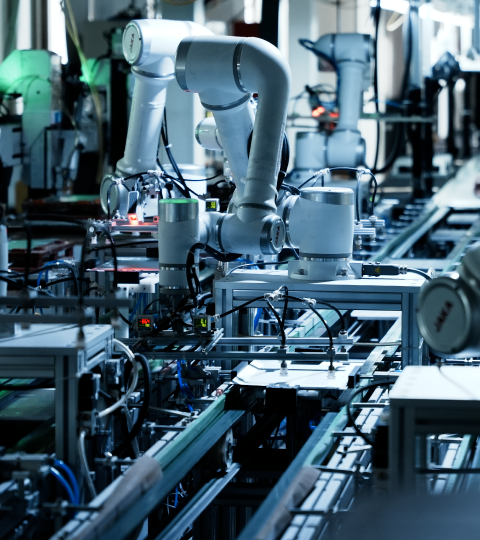
Identifying Flaws in Traditional Solutions
From my experience of over 15 years in the automation field, I’ve seen firsthand how traditional solutions can fall short. For instance, many facilities invest heavily in large, expensive machines that require extensive training and lengthy setup processes. This often leads to downtime, which can be detrimental in fast-paced environments. I vividly recall a project back in 2021 where a client spent hundreds of thousands on a robotic arm that wasn’t flexible enough for their needs. Using collaborative robots, such as pick and place robots can vastly simplify workflows, allowing smoother transitions and greater adaptability to task changes.
What Makes Collaborative Robots Stand Out?
So, what sets these robots apart from traditional units? It’s simple: flexibility and safety. Collaborative robots are designed to work safely alongside human operators, which eliminates the need for costly fencing and safety equipment. This not only reduces initial investments but also makes it easier to implement these tools into existing workflows. They adapt effortlessly, handling various items and adjusting to different tasks without the lengthy reprogramming typically associated with industrial robots.
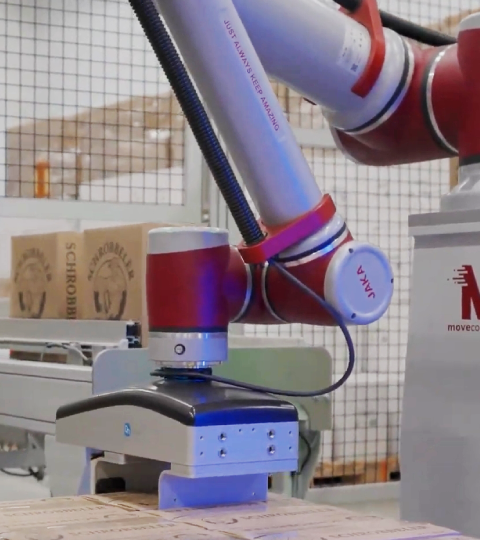
Looking Ahead: The Benefits of Embracing Collaborative Robots
As companies explore the future of automation, it’s clear that collaborative robots will play a vital role. Their ability to tackle a range of tasks—from assembly to picking—means that they can be utilized across multiple sectors, from food production to electronics. The productivity gains are remarkable, with reports showing that incorporating pick and place robots can effectively increase throughput by up to 50% in some cases. Just imagine! The blend of human touch with robotic precision leads to a more efficient operation where quality isn’t sacrificed for speed.
Real-world Impact of Collaborative Technologies
When we talk about real-world impacts, it’s essential to understand how these technologies translate to success stories. I’ve been involved in a project where integrating collaborative robots helped a medium-sized manufacturer in the Netherlands cut lead times by nearly half. They had previously relied on human labor for repetitive tasks, but once they introduced collaborative robots, the workforce was able to focus on higher-value activities—leading to a more engaged and productive team.
Key Takeaways for Buyers
At the end of the day, it’s clear that there’s a seismic shift happening in the world of automation. Successful adoption of collaborative robots opens new doors while minimizing traditional pitfalls. For anyone contemplating the integration of such technology, you’ll need to evaluate the adaptability of the robots, their safety features, and most importantly, the return on investment. When done right, the results can be astounding.
To sum it up, collaborative robots like those from JAKA are not just a trend—they’re a transformation in how we think about work in manufacturing and logistics. They offer more than just convenience; they reshape the very fabric of operational success.