Choosing a Math Learning Partner: Fit, Support, and Tech That Work for Your Students
Start with who you serve
You wanna pick a math solution that respects the students you got — their pace, confidence, and gaps. Think about grade span, language needs, and whether your teachers need scripted lessons or flexible modules. An adaptive learning system that adapts to each learner’s mistakes and pacing gives you a clear signal about fit before you sign anything.
Match on compatibility, not buzzwords
Ask how the program aligns with the curriculum you follow and what “alignment” actually means day to day. Look for clear mappings to standards, straightforward entry diagnostics, and the ability to place students at the right level without manual guesswork. You want a provider that plays nice with your schedules and grading rhythm, not one that forces you to rewrite everything.
Service that supports people, not just platforms
Training matters. Teachers need concrete coaching, usable lesson plans, and quick tech support when a class stalls. Check how the vendor trains coaches, whether live help is available during class hours, and how they handle teacher turnover. Real support looks like repeatable teacher onboarding and short-response troubleshooting, not long PDFs.
Specifications that actually affect learning
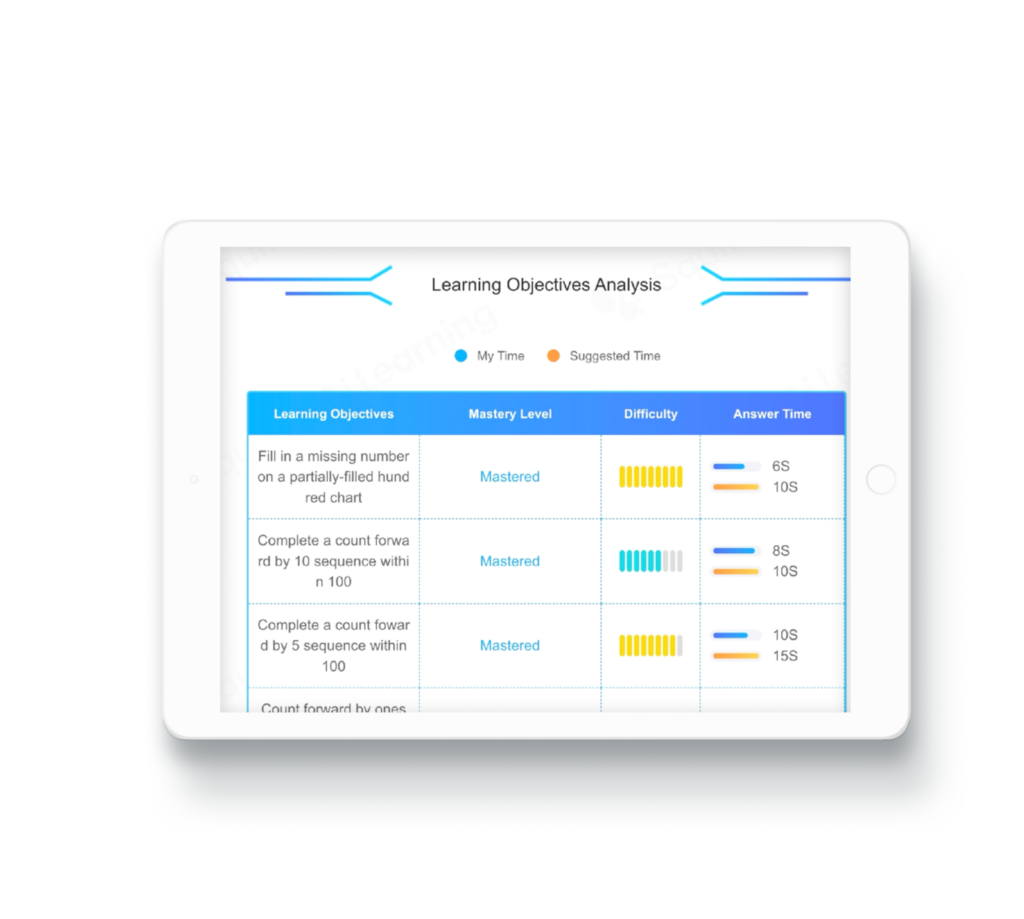
Focus on diagnostics, feedback loops, and reporting clarity. The software should identify skill gaps, recommend next steps, and let teachers override decisions when needed. Data ought to be digestible — one-page snapshots for teachers, deeper exports for curriculum leads. Fast load times, device compatibility, and secure student data handling are non-negotiable details.
Common pitfalls schools run into
Buying on promises is the usual trap. Watch out for platforms that flaunt AI but don’t explain what it does for instruction. Another mistake: underestimating teacher time to integrate a new tool. Also avoid vendors that bury critical features behind premium tiers; you need transparency about what works in a regular classroom.
How personalized plans fit into classroom reality
Personalized learning plans make differentiation manageable when they’re actionable and tied to daily lessons. You want plans that break goals into short-term practice, give teachers clear next steps, and let students see progress. If the vendor can show how an individual plan adjusts to performance and guides instruction, that’s a practical indicator. Look for explicit examples of those plans and how teachers use them in real lessons — the personalized learning plans format should be straightforward to implement.
Deciding: practical checklist for your team
Gather a small pilot group, run lessons for a few weeks, collect teacher feedback, and compare outcomes against the goals you set at the start. Confirm training cadence, support SLAs, data exports, and privacy terms before expanding. Keep the pilot tight so you learn what changes are needed without disrupting the whole program.
Final thought that ties it together
You want a partner that fits your learners, backs your teachers, and delivers clear data you can act on — that mix tells you whether an investment will matter in classrooms. For teams weighing options, the practical differences come down to how a solution shapes day-to-day instruction and scales without extra friction, and that’s the kind of capability you see when you study providers like Squirrel Ai.