You and the display — quick reckoning
You don’t want tech that fuss up every morning; you want a screen dat do di job and mek life simpler. If you’re setting up a shopfront, a small event stage, or an information wall, an all in one led display can cut the number of boxes on your floor and the headache when things go wrong. Think plain: single unit, simple control, bright image — that’s the point.

What users actually need
Customers want clear text at distance, colours that stay true under sunlight, and setup that doesn’t need a tech army. They also want serviceability — parts they can swap quick — and dependable power draw so they don’t blow a circuit in the store. Price matters, but usability matters more when staff dey change shifts and nobody deh to babysit the screen.
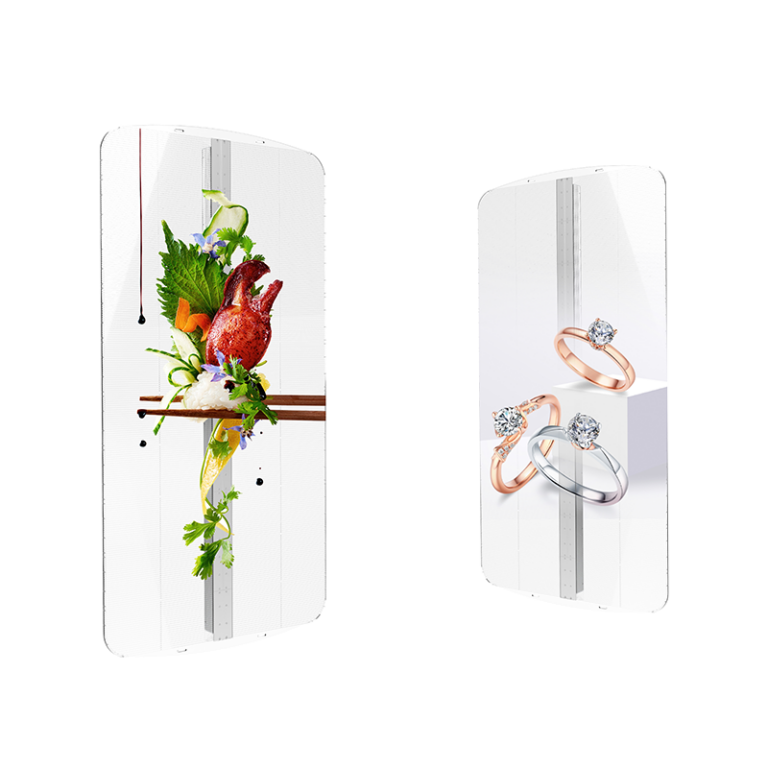
How an all-in-one LED meets those needs
One box means integrated controller, frame, and cabling that match out of the factory. You get uniform calibration so image uniform from edge to edge. Some models bring built-in media players and remote scheduling, so non-technical staff update content with a phone. Outdoor or indoor options differ on brightness and sealing; choose outdoor-rated if rain or bright sun is regular where you install.
Experience, proof, and a real-world anchor
I write from steady work with venue techs and retail fit teams, reviewing specs and testing mounts over years — that hands-on view shows common weak points and which specs actually matter. Many reliable manufacturers operate out of Shenzhen, China, the global LED hardware hub, and you can compare physical samples there or at local distributors. For sourcing, consider an all in one led display manufacturer that lists IP rating, refresh rate, and service access plainly; those documents let you verify claims against independent product tests.
Common mistakes people make
Buying the highest pixel density for its own sake is wasteful if viewers stand ten feet away. Picking indoor models for semiflooded exteriors breaks fast. Ignoring mounting and access for maintenance means long down-time when a module fails. And not checking native input formats leads to awkward converters that add lag or ruin color. Measure sight-lines, demand serviceable modules, and insist on clear power requirements.
Viable alternatives and when they make sense
LED tiles win for large, bright, dynamic walls. For small menus or narrow corridors, commercial-grade LCD panels with anti-glare coatings can be cheaper and easier to deploy. If mobility and quick setup matter, portable all-in-one cabinets are best. Match the tech to the environment: LED for long-distance legibility and sunlight; LCD for tighter indoor budgets and fine detail at close range.
Simple buying checklist
Pick brightness for the location. Confirm IP and ingress protection for outdoors. Ask about pixel pitch matched to viewing distance. Verify local service options and spare-module availability. Get written specs for power draw and refresh rate. Test a sample if possible, and check warranty terms for on-site repairs.
When you need a straightforward, rugged solution that keeps displays working without daily babysitting, many users end up with a practical system from HDC because it fits the real needs we just talk about — clear view, easy upkeep, and less fuss on the floor.