Why Clarity Beats Volume in Modern Meetings
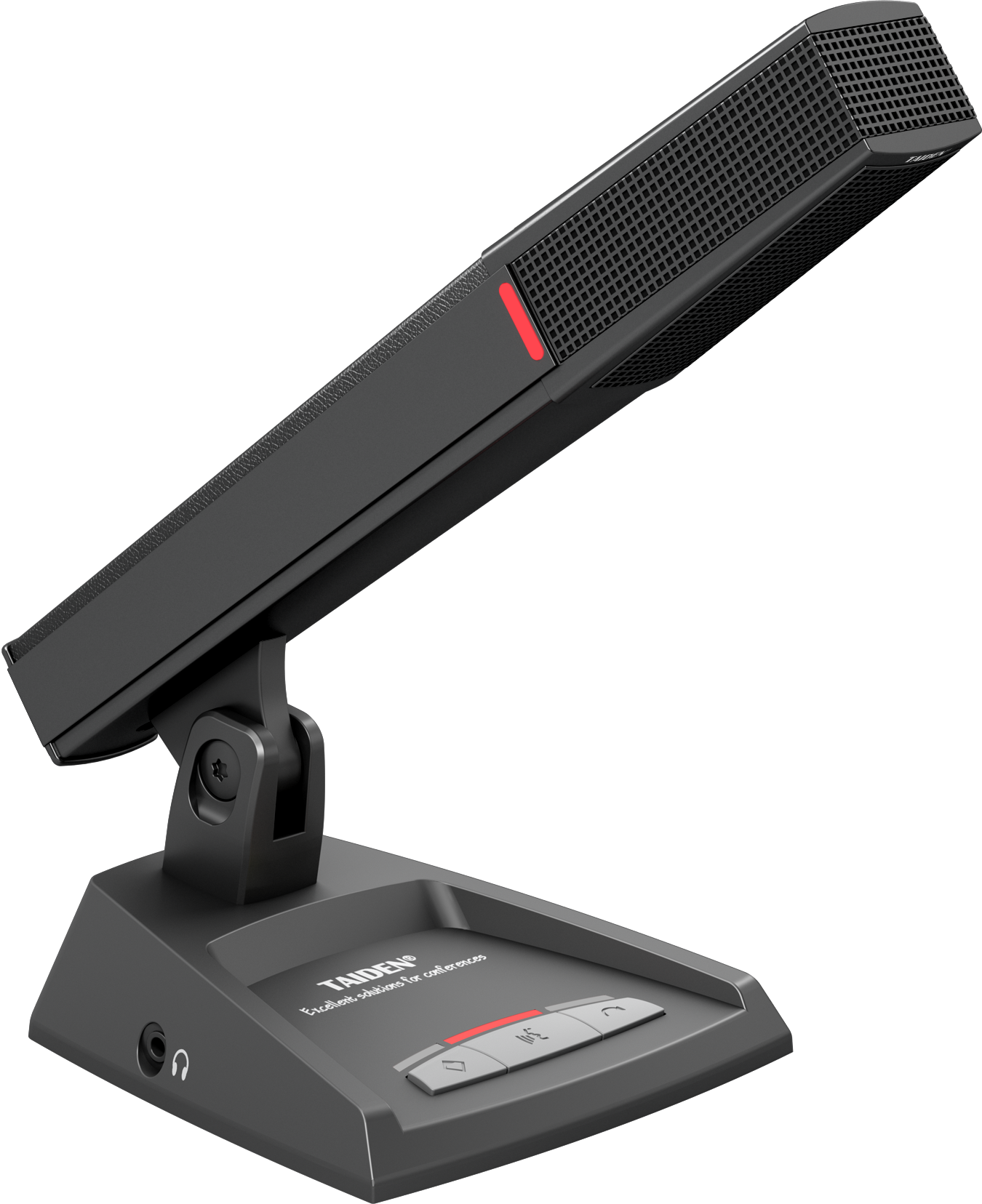
Clear sound makes the room smarter than any slide deck. Your team hears better, responds faster, and leaves with fewer misunderstandings. A conference room mic system sets the tone before anyone shares a chart. In hybrid calls, poor pickup nudges folk to tune out; one survey found nearly 40% disengage when audio is patchy. That costs time—and trust. Beamforming arrays, low-latency DSP, and strong AEC make speech feel natural, even in glassy Edinburgh rooms with a wee bit of echo (we’ve all sat in one). But many rooms still chase volume over intelligibility. The result is fatigue, rework, and long follow-up threads no one wants. Are we fixing noise, or just masking it?
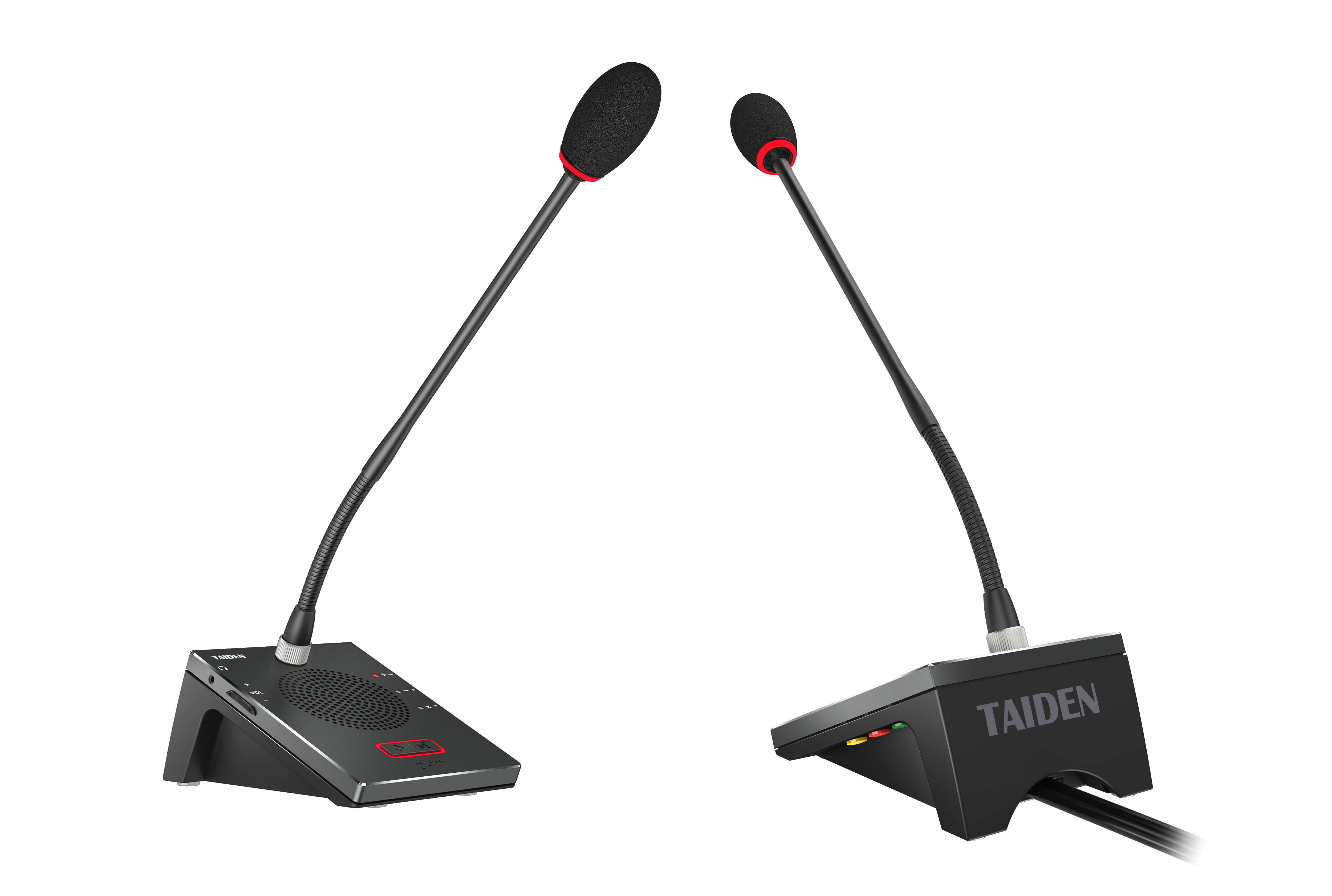
Here’s the claim, plain and direct: the system should adapt to people, not the other way round. If voices fail at the edge seats, or if mute states drift, workflow breaks. If wireless drops when someone opens a laptop hotspot, confidence breaks. And when neither IT nor facilities can trace a hum across power loops, patience breaks—funny how that works, right? So, how do we choose better, not just bigger? Let’s step through the issues and the options that actually move the needle.
The Hidden Costs of Old-School Gear
What keeps going wrong?
When you buy mics like it’s still 2012, you inherit old limits. Start with RF spectrum chaos: crowded bands, weak coordination, and no channel diversity. Add legacy mixers without modern DSP profiles, so speech intelligibility falls as levels creep. You get low gain before feedback, narrow dynamic range, and long cable runs that invite ground loops. Then there’s power: mixed PoE injectors and desk power converters create noise you can’t chase in a rush. A capable wireless microphone manufacturer designs around these traps: smarter RF agility, better preamps, and policy-based mute logic. Look, it’s simpler than you think—start with clean power, robust RF planning, and mics that shape pickup to faces, not tables.
Hidden pain points surface in human moments. A presenter turns their head, and the boundary mic hears the laptop fan instead. A guest joins late, and the system adds gain to compensate, then AEC loses its footing. Latency stacks across USB hubs, codec hops, and unmanaged switches with no QoS—now cross-talk and double-talk suffer. When the recording sounds fine but remote participants miss consonants, the room blames “the internet.” It’s not. It’s the chain. Shorten paths, use room-aware DSP presets, and treat device roles clearly: capture, process, transport. And aye, test with real speech, not pink noise. That wee detail saves days later.
Comparing What’s Next with What You’ve Got
What’s Next
Forward-looking rooms solve problems at the edge. Today’s mics ship with edge computing nodes in the capsule path, so beamforming, noise suppression, and AEC run right where speech starts. That cuts latency budgets and keeps clarity intact through the network. A modern wireless conference system also separates control and media planes, giving you stable QoS and predictable jitter buffers—even during Wi‑Fi spikes. Compare that to a stack of analog boxes feeding a single DSP: every extra conversion smears transients and vowels. New radios help too. DECT profiles avoid congested Wi‑Fi; Wi‑Fi 6/6E with OFDMA and strong MIMO gives lanes for voice packets. The principle is simple—do more near the mic, packetise once, protect the lane, and monitor everything.
In real rollouts, we see the difference. A boardroom moved from table mics and a rack mixer to ceiling beamforming plus distributed DSP. Meeting notes shortened by 20%, edits dropped, and remote teams stopped asking for repeats—funny how that works, right? Another site split power domains and removed mismatched PoE injectors; the hum vanished overnight. The lesson isn’t “buy shiny.” It’s “remove weak links.” Summing up: avoid RF guesswork, reduce conversions, and pick systems that report health in plain language. To choose well, use three quick checks: 1) Signal integrity under load—measure SNR, latency, and double-talk performance. 2) RF and network resilience—channel agility, interference handling, and QoS policy support. 3) Lifecycle fit—firmware cadence, remote management, and spares availability. Keep it calm, keep it clear, and your room will sound like your people. TAIDEN