Introduction
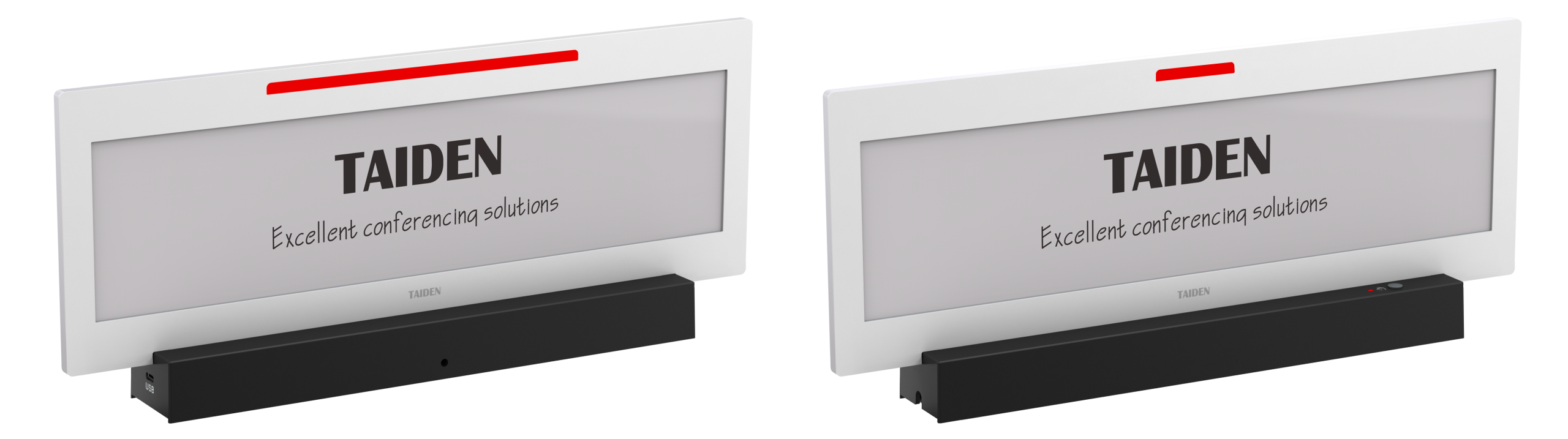
Let us begin with the shape of the problem. A lobby fills at dawn; staff rotate; visitors pause by the wall. A digital name plate sits quiet, yet it must speak all day. In recent pilots, teams saw 60% fewer service calls when reflective displays replaced backlit panels, but the story is nuanced. Many now weigh a color e ink display for richer cues and calm power draw. The pattern is clear: longer battery life, fewer cables, less glare. Still, one must ask—how does color change the system bill of materials, the duty cycles, the heat budget? (And what does it do to workflow?).
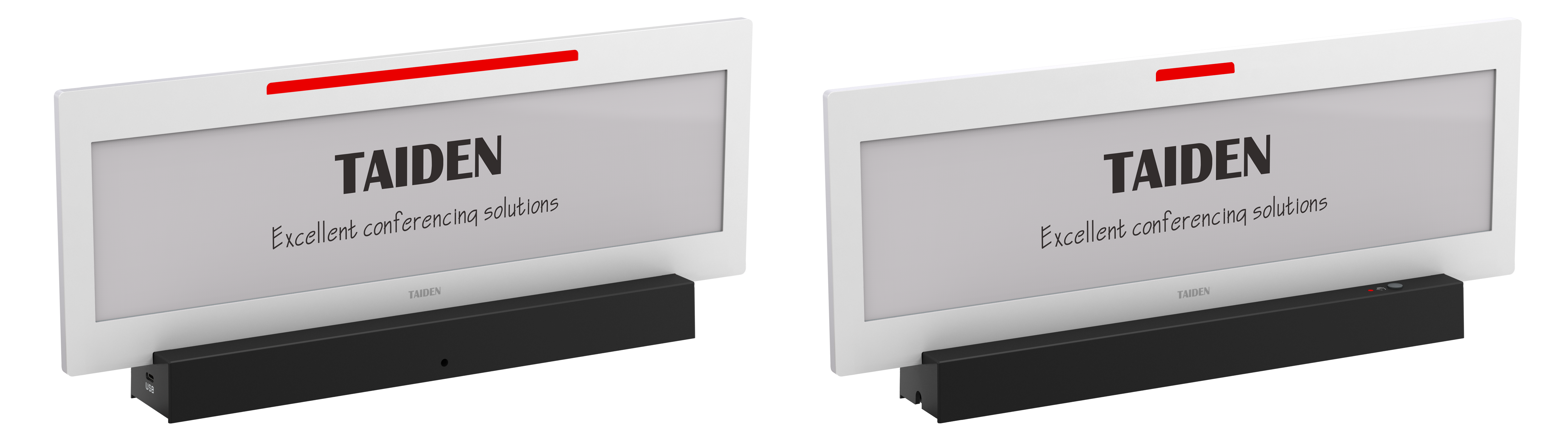
I share a simple lens: match optics to environment, and match energy to cadence. That is the quiet craft. We will compare what fails, then map what endures—step by step, not by hype. Onward, into the cracks between spec sheets.
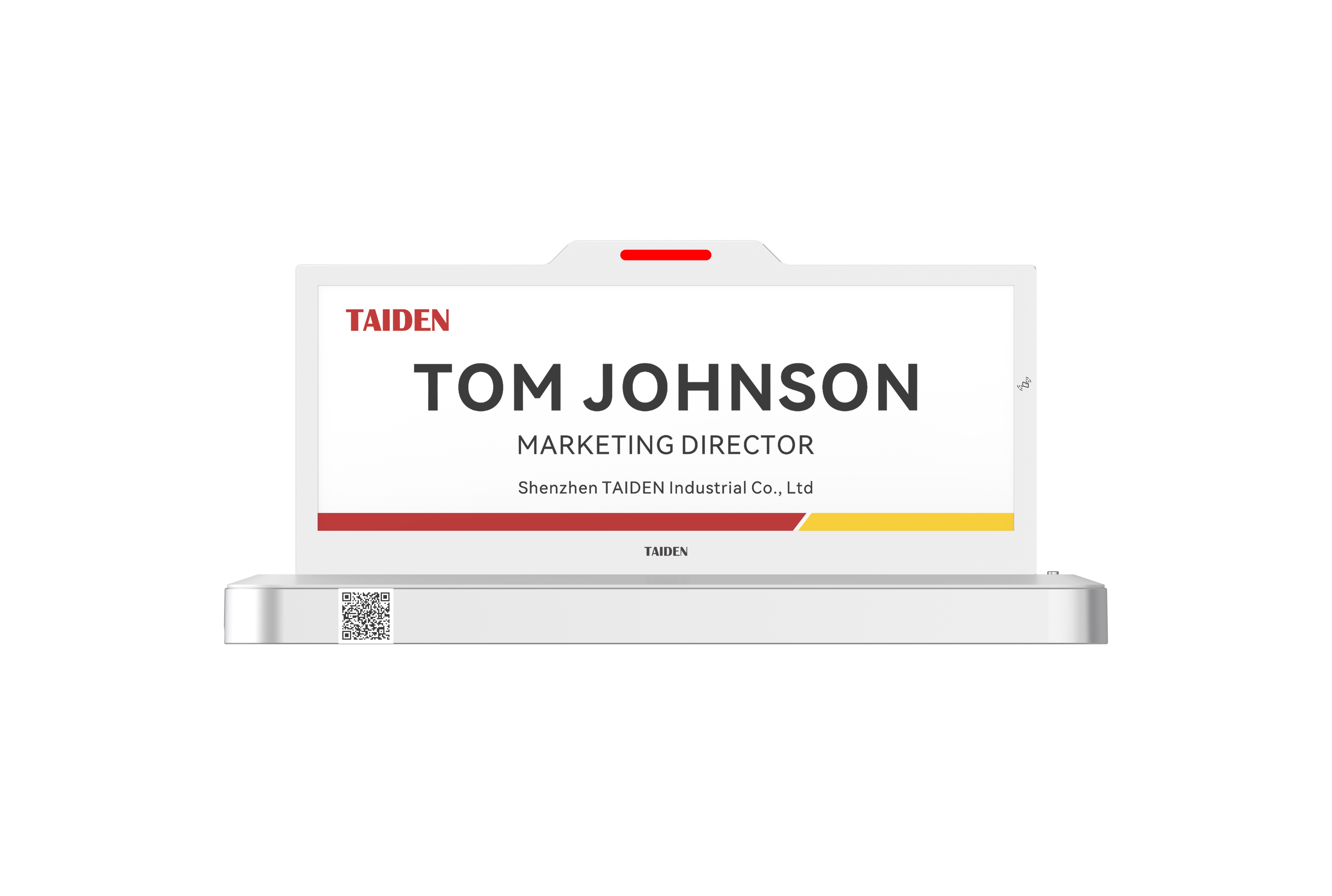
Where Traditional Approaches Fall Short
What breaks in the old stack?
Paper dies at scale. It loses context, it cannot sync, and it asks people to chase change. LCD panels look bright but carry a heavy tax. The backlight burns energy. The panel blooms in sunlight. A high refresh rate keeps the DC-DC regulator awake. Batteries drain; power converters run warm; bezels thicken to hide cables. In busy corridors, glare reduces legibility just when you need clarity most. And service carts roll more often than they should. Edge computing nodes then get blamed, though the optics were the mismatch all along.
Look, it’s simpler than you think. A digital label needs long idle, crisp contrast, and safe updates. Old workflows fought the physics. The display driver IC for many LCDs expects constant drive. The MCU must babysit the frame buffer. Ghosting is not the only risk; it is the time sink. Partial refresh on older panels stutters under fluorescent flicker—strange, isn’t it? OTA updates stall when energy budgets run low. And when power dips, the firmware stack protects itself by throttling, so the name plate lags just as schedules shift. That is why status boards and door signs feel “slow,” even when the network is fine.
Comparative Outlook: Principles That Shift the Baseline
What’s Next
The principle behind modern color e‑paper is direct: pigment moves; light reflects; pixels rest. The electrophoretic layer is bi‑stable, so an image holds without drive. No backlight means cooler skins and longer cells. That is how a system gains true low power consumption across days, not hours. In practice, the MCU wakes, triggers the display driver IC, pushes a delta, and sleeps. A small ambient light sensor can gate refresh at dawn. BLE beacons or RFID taps trigger context. Edge computing nodes push only text and palette, not heavy bitmaps. The result is quiet traffic on the SPI bus and a battery that smiles.
Comparing paths helps. LCD asks for constant current and thermal headroom; e‑paper asks for short bursts and patience. LCD chases brightness; e‑paper harvests ambient light. With good power converters and a right-sized DC-DC regulator, a color panel can refresh a few times per hour and still coast for months. Maintenance falls. Teams stop swapping cells and start tuning cadence. Total cost drops because you avoid cabling runs and PoE switch ports—funny how that works, right? And when signage lives near windows, reflective optics win twice: they are readable and calm under glare, even as foot traffic grows.
Closing Guidance
Choose with intent, not impulse. First, measure visibility where it matters: contrast ratio at 500–1,000 lux, readable color accents, and viewing angle near door height. Second, audit energy per event: millijoules per full refresh at 25°C, partial-refresh latency, and standby draw across the MCU, radio, and display driver IC. Third, check system maturity: firmware stack stability, OTA updates under weak signal, and parts like power converters that meet your safety and EMC plan. If these three pass, the path is sound. Your digital name plates will update when people move, not when batteries beg. And your brand markers will feel quiet, precise, and human. For teams seeking deeper reference builds and component choices, see TAIDEN.