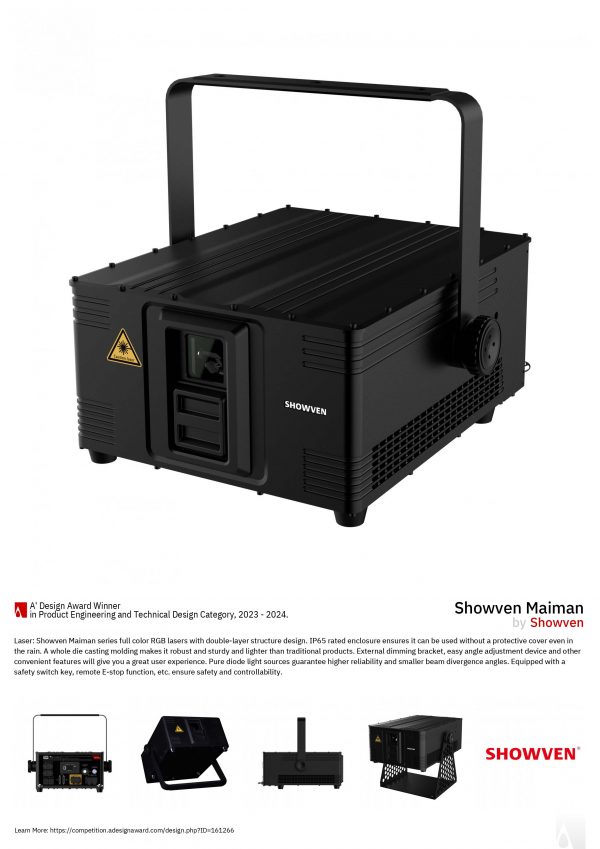
Introduction: When the First Beam Must Hit
You want the crowd to gasp before the beat drops, not after the reboot. Laser Light Systems are the muscle behind that moment—quiet, precise, and push-button fast. Picture an outdoor festival, cold air, tight timelines, and a client who wants “zero flicker, zero fail.” Now add the stat: even a small show can lose thousands per minute when visuals stall, and bigger touring rigs multiply that risk. So, how do you build a lighting pipeline that doesn’t crumble under heat, dust, and surprise last-minute cues? You train it. You harden it. And you plan like an athlete.
-600x848.jpg)
I’m talking real-world uptime, not wishful thinking. Stable power converters, clean optical alignment, and tuned control loops are your reps. Miss them and you get jitter, drift, and downtime. Hit them and you get the snap, the cut, the polish. The question is simple: what steps turn a fragile setup into a repeatable, resilient engine for every venue? (No fluff—just reps that work.) Let’s move through it with clear checkpoints, short bursts, and results you can measure. Ready to level up your rig without burning your team? Good. Let’s step into the deeper layer next.
Why Traditional Builds Trip Up the Beam
Where do legacy builds break?
In laser light manufacturing, old-school workflows look fine on paper, then stumble in the field. Why? Manual optics tuning drifts. Passive cooling struggles when ambient temps spike. And bolt-on power converters add noise that bleeds into motion control. Galvanometer scanners twitch under heat load; beam divergence creeps as mounts relax; and control firmware with coarse PID gains jitters at speed—funny how that works, right? The fix isn’t magic. It’s system thinking. Tie thermal management to real sensors, tighten mechanical tolerances, and push signal integrity from source to scanner.
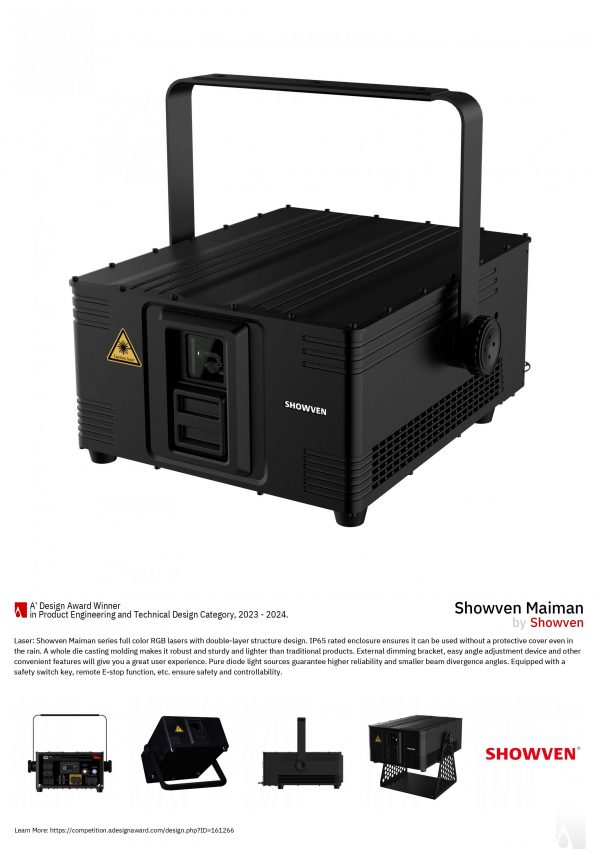
Look, it’s simpler than you think. Edge computing nodes near the heads reduce latency in high-frequency updates. Encoder feedback closes the loop on position, not just command. Optical alignment should be jigged, not guessed, and verified with quick metrology (not “eyeball OK”). Cable routing matters; grounding matters; fasteners matter. When these basics slip, shows wobble. When they’re locked, you free headroom for brighter output and cleaner shapes without stressing components. That’s the quiet truth nobody applauds—until the crowd does.
Next-Gen Principles and a Smarter Comparison
What’s Next
The forward path blends smarter design with clean control. New builds use fiber-coupled diodes for stable beam profiles, FPGA controllers for tight timing, and encoder-based galvanometers for real position data. Predictive thermal models preempt hotspots, while airflow paths and heat sinks are tuned to the load, not the brochure. Compared to legacy rigs, commissioning time drops because modules are standardized, cables are keyed, and diagnostics run onboard. That’s where Professional laser systems make the difference—components talk, the rig listens, and your operator steers instead of firefights. We’re not reinventing physics; we’re removing guesswork.
Put it side by side. Old stack: manual alignment, daisy-chained power, reactive cooling, and “hope” for EMI immunity. New stack: indexed mounts, isolated rails, shielded runs, and closed-loop motion verified at 30 kpps without ripple. Optical alignment becomes a repeatable task, not a late-night art project. Thermal deltas hold steady under a full white test. EMI is contained by design—shielding, grounding, layout. And the control path? Clean clocking, deterministic loops, minimal jitter. The result is less fatigue on scanners, fewer resets, and longer life for diodes. Small wins compounding into big reliability—because details cash out.
Now, how do you choose the right path without overbuying? Use three metrics as your coach. First, motion fidelity: measure microradian jitter at full scan speed, not just static dots. Second, thermal stability: confirm temperature rise under 100% duty cycle and the time to recover to baseline. Third, serviceability: verify mean time to swap a module plus remote diagnostics depth (logs, alerts, and thresholds). If those three are right, the rest follows. Keep the tone steady, the checks honest, and the build transparent—and the show shines, night after night. See you at the beam line at Showven Laser.