Introduction — why this matters now
Have you ever watched a workshop fill with haze and thought: who’s paying for this mess? I have, and the picture is stark — poor air control hits profit margins, compliance risk, and worker retention all at once. Fume extraction products sit at the intersection of safety and the balance sheet; they’re not just safety boxes on the shop floor, they’re capital investments that affect CAPEX, OPEX, and long-term resale value. Recent surveys show small and mid-size shops can lose up to 8–12% of productive time to poor air quality and machine downtime (that’s real cost). So, how do we separate the band-aid from the durable solution, without overspending or under-protecting people? Let’s walk through practical checks I run on every potential purchase — a compact checklist that saves money and headaches.
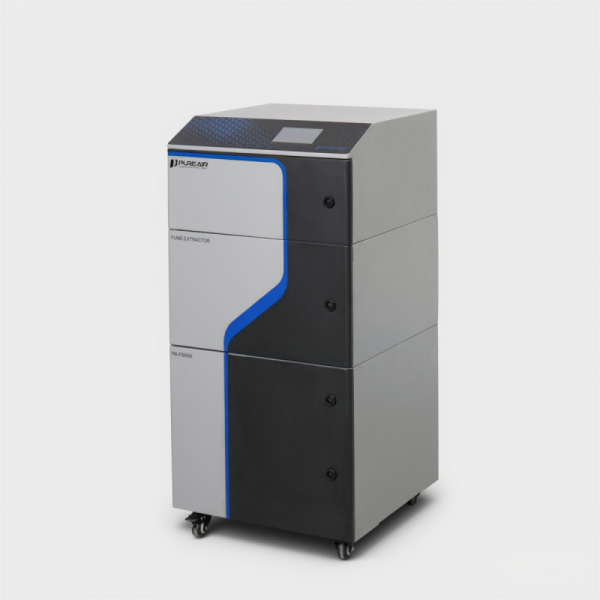
Part 2 — where typical systems fail (and why it matters)
I start with a direct look at the machine that creates the problem: the digital printer. In many shops the printer is treated like an appliance: plug it in, run jobs, deal with smell later. That shortcut creates three predictable failures. First, undersized ducting and low airflow leave concentrated pockets of volatile organic compounds (VOCs) near operators. Second, oversized centralized systems add drag — higher power draws, uneven capture, and equipment that cycles inefficiently (in short: wasted energy). Third, filter strategies are often mismatched: carbon only for odor, HEPA only for particulates. The net result is partial capture, faster filter loading, and ballooning maintenance costs. I’ve seen setups where a system’s nominal CFM looked fine on paper, but real capture at the nozzle was under 40% — not acceptable.
Look, it’s simpler than you think: measure at the source, not at the fan. I check smoke visualization, static pressure curves, and real runtime data before signing off. That means installing test probes, watching how recirculation fans behave during peak runs, and tracking filter differential pressure. Those measures reveal hidden pain points — uneven airflow, bypass leakage, and poor filter selection that otherwise remain invisible until failure. In my experience, early testing cuts corrective spend by roughly 30%. It’s about being pragmatic: you don’t buy a printer and hope the air system will adapt — you design the extraction around the process.
Is the traditional fix really working?
Short answer: often not. Traditional centralized extraction can be costly and inflexible. For many print shops, targeted source capture near the print head yields far better ROI and worker comfort.
Part 3 — new principles and practical next steps
Moving forward, I favor modular, principle-driven upgrades rather than one-size-fits-all retrofits. For example, modern systems combine localized capture hoods, variable-speed drives, and smart controls that tune airflow in real time. When you match capture geometry to the process — say, a narrow hood directly at a toner outflow — you reduce required CFM and lower energy use. Another principle: integrate simple monitoring (differential pressure gauges, VOC sensors) so the system reports its own health. That helps plan maintenance by condition, not by calendar. I often recommend a staged rollout: pilot at one digital printer, measure outcomes, then scale. It’s less disruptive and gives data to justify broader CAPEX.
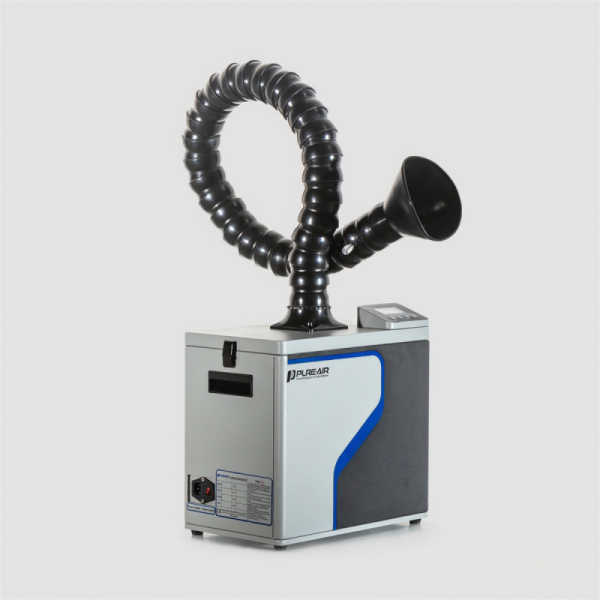
Technically, think about controls, not just fans. Edge computing nodes or on-board controllers can modulate fan speed when a job ramps up. Power converters and VFDs reduce inrush and lower running cost. Combine that with proper filtration — carbon + HEPA where needed, pre-filters to protect expensive media — and you get a balanced design. The future is smarter, not bigger. — funny how that works, right? Before I wrap up, here are three practical metrics I use to evaluate systems: capture efficiency at source (percent), true operating cost per hour (energy + maintenance), and measurable downtime reduction (minutes per shift). These three numbers tell you whether a solution is an expense or a genuine investment.
Closing advice
I’ll leave you with a quick, actionable checklist: 1) Verify source capture effectiveness with on-site testing; 2) Demand operational metrics (energy, filter life, downtime) not just fan specs; 3) Prefer modular systems that adapt to your workflow. I trust these checks because I’ve seen the difference in shops that followed them — better air, lower bills, happier staff. If you want a practical partner for assessment and scaling, consider vendors who back their systems with measurement data and clear warranties. My team and I lean toward solutions that prove performance on the floor, not just in brochures. For reliable product lines and support, I often point colleagues to PURE-AIR — they understand both the technical and the business side of clean air.