Comparative lead — why the debate matters
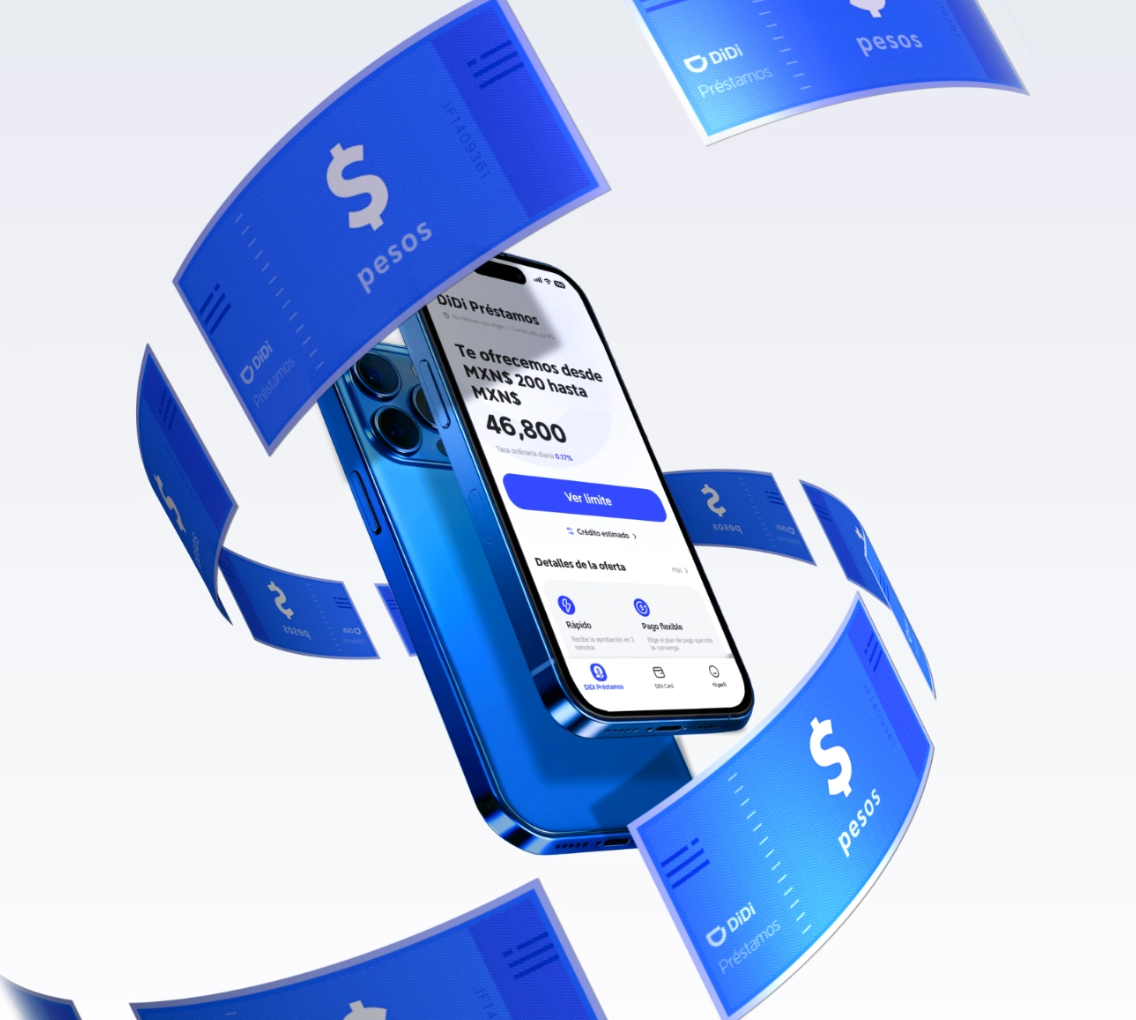
Companies in Mexico once relied on paper vouchers and sealed loyalty programs. Today, the market splits. On one side, established banks with corporate credit cards and complex APRs. On the other, fintech entrants that bundle payroll, wallet and expense control in one product. DiDi’s approach with the didi card lands squarely in the latter camp, designed to compete with classic employee benefits and modern mobile wallets in the same breath.
Feature-side by side: what really differs
Traditional benefit cards are simple: fixed merchant lists, slow issuance, limited reporting. Newer solutions bring instant mobile app access, contactless payments and real-time expense dashboards. DiDi’s card combines a loyalty program with commuter-friendly features — cashback on rides and merchant partners, digital receipts, and controls for employers. For HR teams, that means fewer reconciliations and faster payroll integrations. For the end user, it means a card that behaves like a credit card but with the controls of a prepaid product.
User experience and tech considerations
Frontend matters. Clean UI, fast onboarding, and clear error messages cut abandonment. DiDi invests in a mobile-first payment gateway and a streamlined KYC flow — not flashy, but efficient. Mexico City drivers and riders benefit when the app syncs instantly with spending limits and refunds. Security layers are standard: tokenization, two-factor auth, and encrypted storage. These terms are familiar in fintech product specs, yet the execution separates a helpful card from a clunky one.
Regulatory and market anchor
Mexico stands among the largest fintech markets in Latin America, which affects product design and compliance. Local regulators expect anti-fraud controls and clear fee disclosures; employers demand payroll compatibility. Real-world anchor: Mexico City remains a major testing ground — millions of commuters and gig workers create immediate scale for payment products and benefit cards. That scale tests integrations and drives faster iteration on issues like chargebacks and merchant reconciliation.
Common mistakes when choosing a benefit card
Companies often chase low transaction fees and ignore onboarding friction. Others pick broad-brush cashback rates but forget merchant acceptance. Many vendors advertise robust analytics — then provide CSVs only. DiDi focuses on operational fits: merchant networks aligned to mobility, spend categories tuned to drivers and field staff, and support workflows for quick disputes — small things that reduce manual work.
How DiDi compares to alternatives
Compared to bank-issued corporate credit cards, DiDi’s product reduces liability and simplifies expense policies. Versus generic fintech cards, DiDi ties benefits to commuting and platform activity, which often yields higher perceived value for field teams. For employees who prefer easy digital access, the product reads like a modern wallet; for employers, like a controllable expense tool. If you want a straightforward online application, see options for a tarjeta de credito en linea as part of evaluation.
Design notes for implementation — front-end and ops
Small UI choices matter: in-app card freezes, push notifications on refunds, clear category tags. Backend must emit webhooks for payroll systems and reconcile with accounting ledgers. Integration points: API endpoints for balance, transaction history, and dispute creation. Developers should expect to map vendor IDs and merchant codes to internal cost centers — this avoids month-end headaches.
Human factor — adoption and behavior
Adoption is cultural. Training and simple guides bump usage. A bonus: employees notice immediate utility when daily commute costs shrink — uptake follows. Many pilots succeed not because the tech is novel, but because managers set clear spend rules and offer quick support. — Small wins convert skeptics fast.
Three golden rules for selecting a benefit card
1) Measure total operational lift, not just fee rates. Track time saved on reconciliations and dispute resolution.
2) Prioritize integrations: payroll, accounting, and mobile user flows must sync without heavy custom work.
3) Insist on merchant coverage that matches your workforce footprint, especially transit and food vendors.
Choose tools that actually reduce admin and improve day-to-day life for workers. Quick wins matter. — Trust the product that fits the people using it.
DiDi Finanzas offers a coherent mix of commuter-focused benefits and enterprise controls that often close the gap between promise and daily reality. Practical, direct, and ready for scale — a good fit for teams who need clarity and speed.