The real problem operations teams deal with
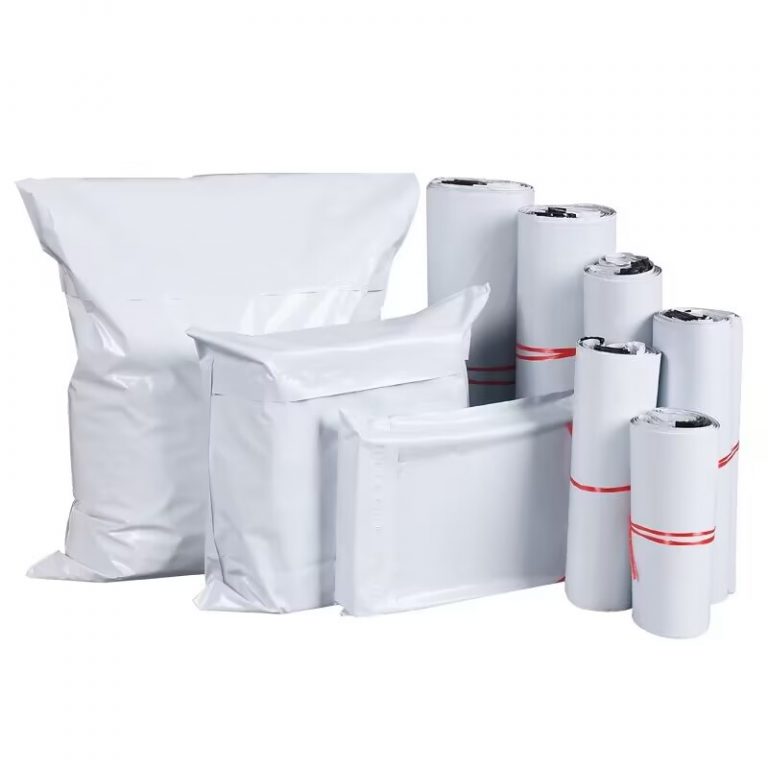
Yo — here’s the blunt truth: ops managers get buried by damaged packages, customs hold-ups, and surprise shipping fees that eat margins. Cross-border e‑commerce ain’t forgiving; after the post-2020 port backups and the Port of Los Angeles congestion in 2021, teams learned fast that packaging decisions ain’t cosmetic — they’re survival. That’s where simple moves, like switching to the right clear poly solution, make a night-and-day difference. Peep this option first: white poly mailers — lightweight, waterproof, and often easier for customs inspectors to check without ripping open a box.

Why clear poly mailers address the pain points
Clear poly mailers solve three ops headaches at once: protection, inspection speed, and cost control. They’re waterproof so moisture damage drops. They’re lighter than corrugated, so dimensional weight charges go down. And when you use a clear, tamper-evident sleeve, customs or last-mile carriers can visually confirm contents faster — less manual opening, fewer returns. For smaller apparel or accessories runs, a gusseted poly mailer gives shape without wasting material. Bottom line: you get lower cost-per-ship and fewer customer complaints.
Where teams trip up — common mistakes to dodge
Plenty of folks think any poly mailer will do. Nah. Biggest screw-ups I see: wrong sizing (no gusset when you need it), underestimating seal strength for heavy items, and skipping tear-strip or tamper-evident specs. Folks also forget regional customs rules — some countries want declared contents visible for quick inspection. And don’t sleep on MOQ realities: ordering tiny runs saves cash short-term but blows up per-unit cost. — Test samples with your actual fill line before signing a big PO; that prevents dumb last-minute rework.
How to evaluate a poly mailer option — a practical checklist
Make ops-friendly choices with a short, tight audit:
- Material & strength: LDPE vs. HDPE, seal type, and tear resistance.
- Size & fit: available sizes, gusseting, and whether the mailer supports your SKU mix without wasted slack.
- Compliance & inspection: tamper-evident features and visual clarity for customs.
- Cost drivers: unit cost, freight impact (weight & volume), and MOQ amortization.
- Testing: real-world drop/dust/moisture tests and a first-article sign-off with your packing line.
Run those checks and you’ll avoid surprises on the packing floor — plus you’ll actually measure the ROI of the switch.
Alternatives worth knowing about
Not every product should go in a poly mailer. Bulky or fragile items still need corrugated, while delicate luxury goods may require branded rigid boxes or padded mailers. For sustainability-focused brands, consider recycled-film poly mailers or compostable options — but test film strength carefully; eco variants sometimes trade off durability. If you’re debating, compare damage rates and freight cost impact rather than just sticker price. And for teams that need a middle ground, padded poly mailers or gusseted white envelopes can be a solid compromise — check samples from your supplier and see how they behave on the conveyor.
Real-world anchor: a quick case note
In a mid‑sized NYC apparel shop that pivoted after 2020, switching to clear, tear-strip poly mailers cut return rates and sped up customs clearance during holiday spikes — they trimmed average inspection time per parcel by noticeable minutes, which scaled into real labor savings. That kind of on-the-ground result is what operations care about — not theory.
Three golden rules for picking the right poly mailer strategy
Here’s the advisory wrap — three metrics to measure before you commit:
- Damage-rate delta: Measure baseline damage/return rate, then target a measurable reduction (even a few percentage points matters at scale).
- Dimensional-weight and freight impact: Calculate how switching to lighter poly mailers changes your cost-per-order under typical carrier DIM rules.
- Inspection & handling time: Time a batch through packing and customs inspection; choose the option that lowers touch time without raising risk.
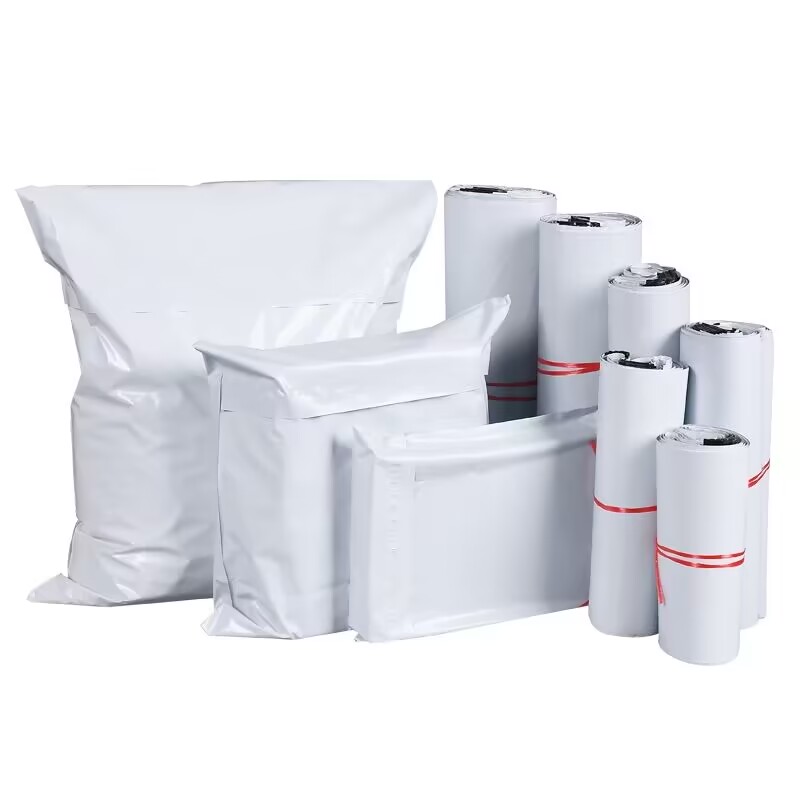
Hit these three metrics and you’ll have a defensible business case for the change — and ops will actually sign off. For practical sourcing and consistent product specs that make these metrics realistic, think about partners who understand both supply-chain pressure and packaging tech; that’s where the real value lands with white poly mailer bags.
Make the swap smartly, measure the wins, and watch the drama leave the warehouse — WH Packing. Real talk.