Comparative lead-in: why supplier choice changes the result
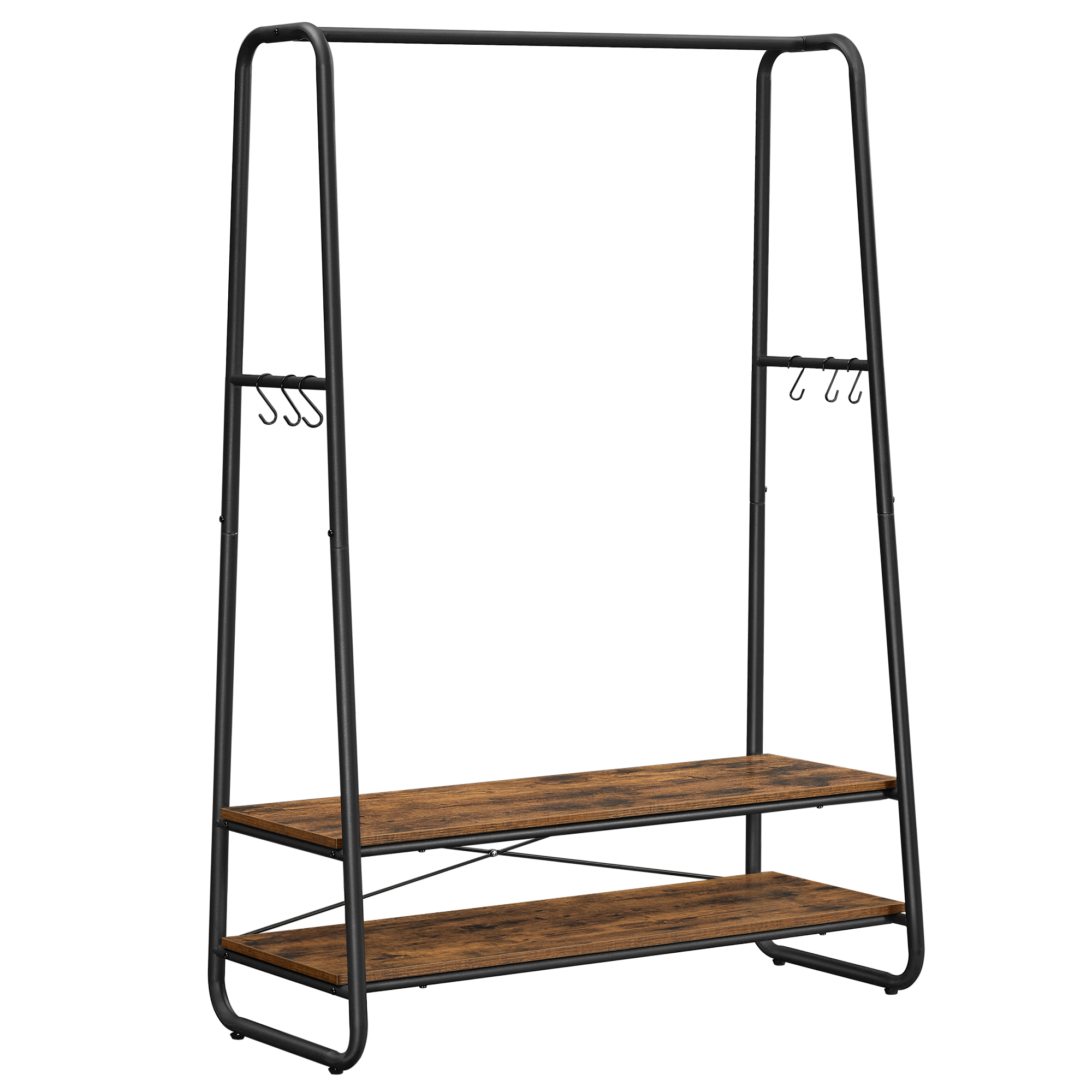
Choosing the right supplier shifts a clothes rack from a useful item to an integral part of a room’s design. This Comparative Insight examines how materials, finish options, and supply terms affect durability and style, while tying those factors back to real-world needs such as compact urban living. Many retailers and designers start by browsing wholesale garment racks to map price against feature sets before committing to production runs, which clarifies what matters most: load capacity, finish consistency, and lead time.
Materials and build: how construction informs longevity
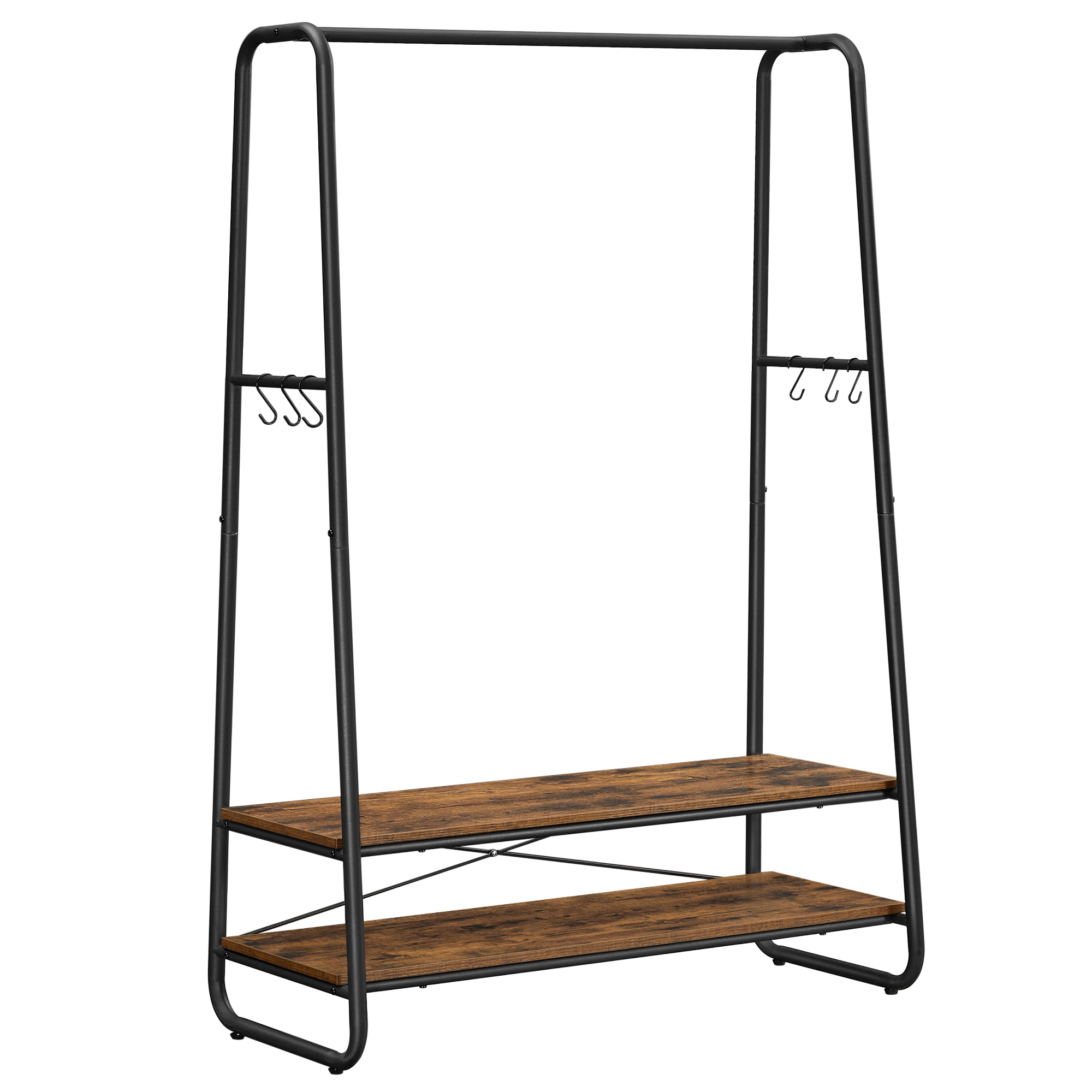
Steel tubing remains the workhorse for commercial-grade racks because of predictable load capacity and consistent weld quality. Aluminum options trade weight for stiffness and tend to require thicker profiles to match steel’s strength. Wood accents and powder-coated finishes improve aesthetics but introduce additional processes—surface treatment and sealing—that increase lead time. When comparing suppliers, request test parameters for joint strength and corrosion resistance; those metrics reveal which factories actually control quality versus those that rely on cosmetic inspection alone.
Design versus function: matching racks to home styles
Minimalist, industrial, and classic interiors demand different design decisions. For small-footprint apartments in dense cities such as New York and Tokyo, modular systems with adjustable shelving and compact hanger bars maximize usable space without visual clutter. For larger suburban bedrooms, freestanding frames with storage shelves and integrated shoe racks provide a dressing-station feel. Smart suppliers present both technical drawings and lifestyle photography so buyers can evaluate whether a product’s proportions and finish align with the target decor. Integrating these considerations early prevents costly restocking; it’s why many brands cross-reference product samples with their line sheets for wholesale clothing racks.
Sourcing and supply terms: questions that separate reliable partners
Request explicit answers on minimum order quantity, production lead time, quality control checkpoints, and warranty coverage. Verify surface coating methods, whether powder coating is applied at a specified thickness, and how finish tolerances are measured. Also confirm packaging dimensions and palletization rules to avoid freight damage. A common misstep is assuming shorter lead time equals better value—this undercuts batch testing and increases defects. —Be rigorous about inspection reports and insist on pre-shipment photos tied to serial numbers.
Alternatives and common mistakes brands make
Alternatives include built-in cabinetry, collapsible garment rails, and wardrobe boxes. Each has trade-offs: built-ins score permanence but raise installation costs; collapsible rails lower shipping expense but often sacrifice load capacity. Frequent sourcing errors include neglecting assembly complexity, overlooking compatibility of fasteners with local hardware standards, and underestimating consumer expectations for finish consistency. Address these during samples: confirm that assembly instructions, hardware kits, and torque specifications work for target markets.
Advisory: three critical evaluation metrics for supplier selection
1) Structural performance: require quantified load capacity and joint-strength test results for the proposed steel or aluminum frame. 2) Finish integrity: validate powder-coating thickness, adhesion test outcomes, and color tolerance under specified lighting. 3) Supply reliability: measure average lead time, defect rate per batch, and flexibility on minimum order quantities. Use these metrics to rank suppliers objectively and to anticipate total cost of ownership rather than focusing only on unit price.

When decisions must balance design, durability, and logistics, an informed supplier becomes a design partner rather than a vendor. That partnership is exactly the value you find with SONGMICS HOME B2B—a resource that aligns product engineering, sample verification, and consistent supply into practical solutions. —Final note: pick a partner who treats specifications as the beginning of collaboration, not the end.