Introduction
Have you ever wondered why two shops with the same drawings get such different parts? I have—more than once. In small-plant scenarios where a missed tolerance can mean a lost contract, the choice of vertical machining center manufacturers really matters (and it isn’t just about the price tag).
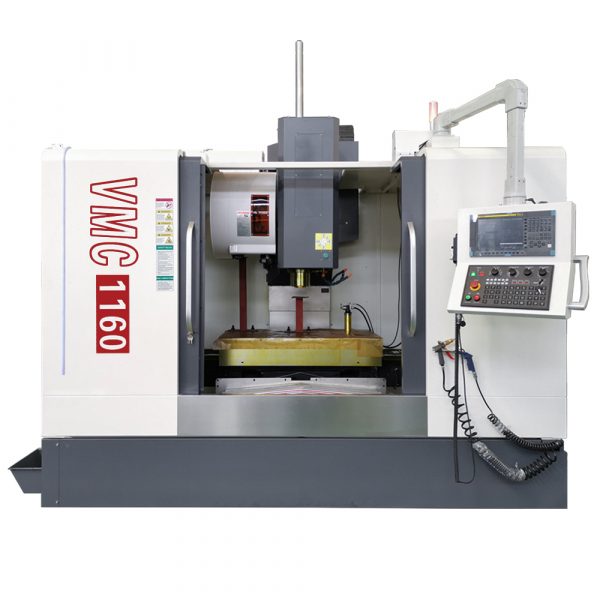
Recent surveys show many shops—over half in some regions—struggle with machine uptime and repeatability. Those numbers change decisions fast. So: how do we pick a partner who delivers consistent parts, predictable costs, and clearer service paths? Let’s look closer and compare what truly matters.
Now I’ll dig into where common solutions fall short and what you should watch for next.
Where traditional setups break down
As a buyer I often start with a quick web search and then reach for a sample quote from a cnc vertical machining center supplier. Right away, you see the same specs repeated: spindle speed, tool changer capacity, and linear guideways listed like features on a grocery shelf. But here’s the technical truth—these specs alone hide real flaws in old approaches.
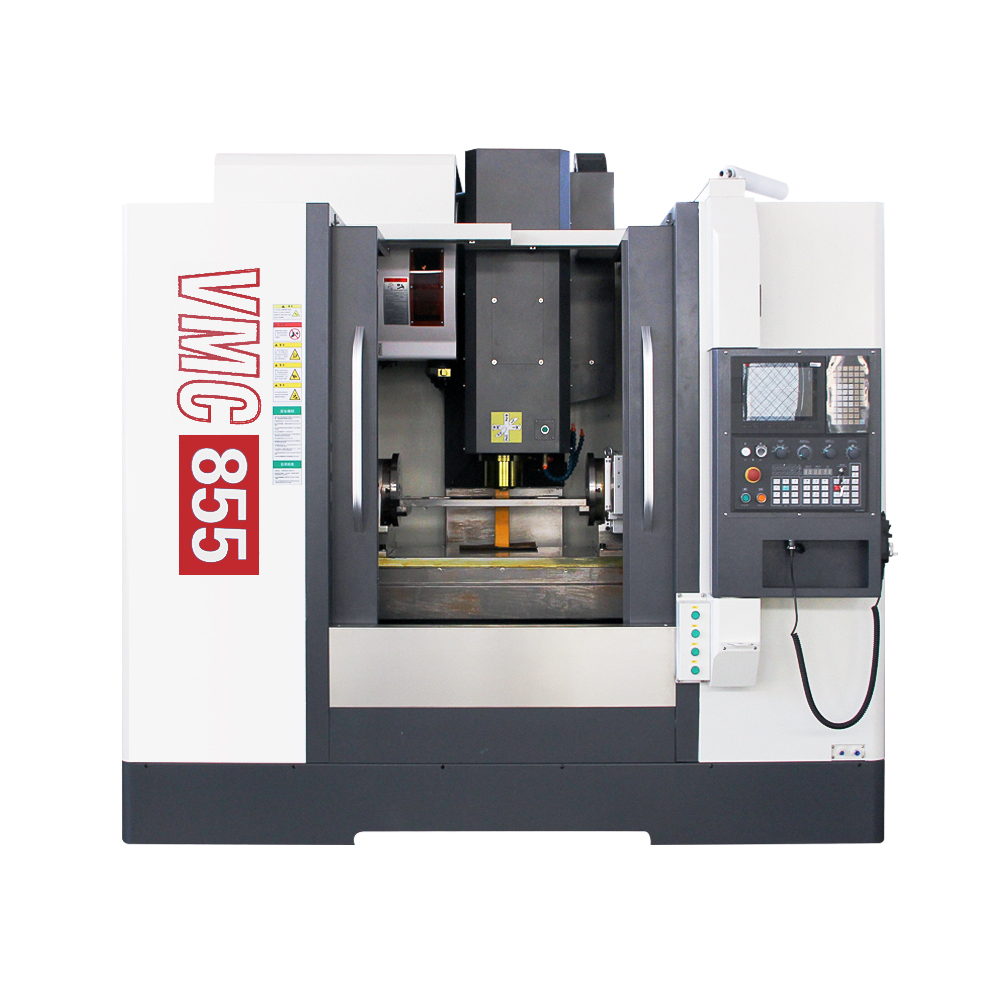
What are the main technical limits?
First: rigid fixturing and one-size programming. Shops assume a fixed setup will work forever. It doesn’t. Thermal drift, spindle bearing wear, and inconsistent tool life change every batch. Second: control and integration limits. Older CNC controllers and weak power converters can’t handle modern cycle optimization or edge computing nodes for on-the-fly adjustments. Third: service gaps. You may buy a machine with great specs but struggle with slow spare parts and unclear maintenance manuals. Look, it’s simpler than you think—rely on a spec sheet alone and you’ll miss the real total cost.
From my experience, these flaws create cascading pain: longer setups, higher scrap, and frantic overtime. We’ve seen shops chase faster spindle speeds but ignore servo drives tuning and the result is chatter, not speed. — funny how that works, right?
Looking ahead: practical paths and future outlook
I want to paint a forward-looking picture. Manufacturers who fuse better design with smarter service win. That means modular tooling, smarter CNC controllers, and clear lifecycle support. A good recent example is the move toward integrated condition monitoring — not just alarms, but trend data that predicts a spindle bearing before it fails. I’ve watched a small firm cut unscheduled downtime by nearly half after switching to these practices.
What’s Next?
Also expect more hybrid lines: a horizontal or vertical turning machining center paired with vertical mills in matched cells to reduce handling and improve throughput. These matched systems talk to each other; CAM strategies get reused across cells; setup time drops. We should judge new kit by real-world metrics, not brochure bullet points.
To close, here are three key evaluation metrics I use when comparing suppliers: uptime history (measured, not guessed), local service response time, and the clarity of software integration (APIs, protocols). If a vendor can’t show data on those three, I move on. Try applying these and you’ll see what I mean—results become measurable, decisions easier, and stress smaller.
For practical sourcing and more honest specs, I trust brand partners who publish real performance numbers and stand behind them. For example, check offerings from Leichman for documented support and system-level thinking.