Opening: A Saturday Order, Cold Data, and the Quiet Question
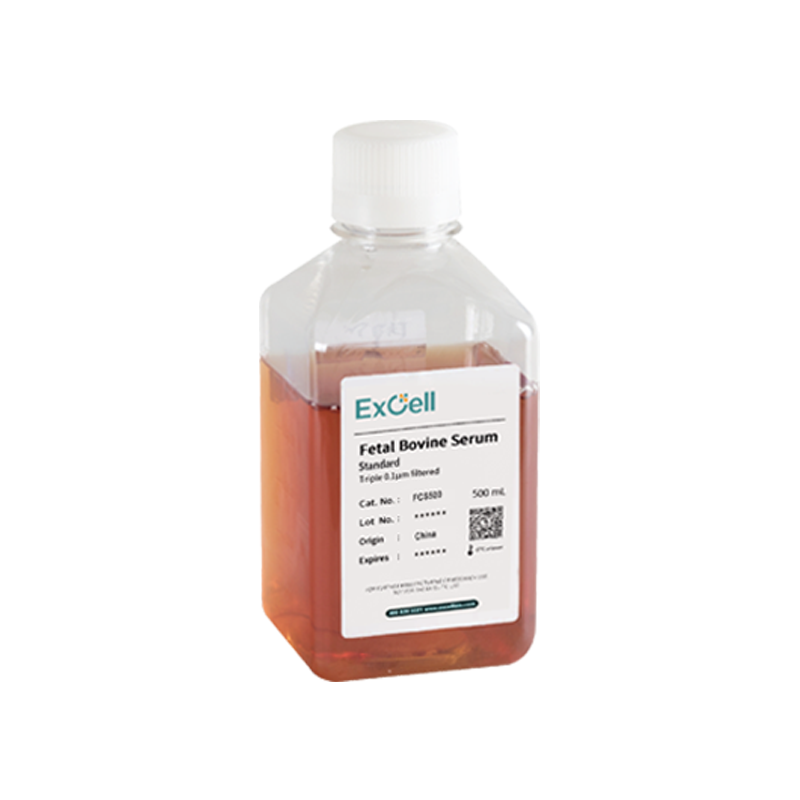
I still see that order slip in my mind — a late Friday request for 100 liters of fetal calf serum for a private lab in Cambridge (I handled the account). In simple numbers: 100 L, three different serum lots, and a 22% failure rate in primary fibroblast thaw tests the following week. Fetal bovine serum showed up in the lab report as the suspected variable. After more than 20 years in commercial laboratory supplies distribution, I ask: how did such a routine procurement turn into a week-long scramble for contingency lots? This is the scene that taught me to look beyond price and lead time — and to ask smarter questions about lot traceability, endotoxin levels, and mycoplasma screening before I sign any purchase order. — On to what usually goes wrong next.
Deeper Layer: Why the Usual Fixes Fail and Where the Hidden Pain Lives
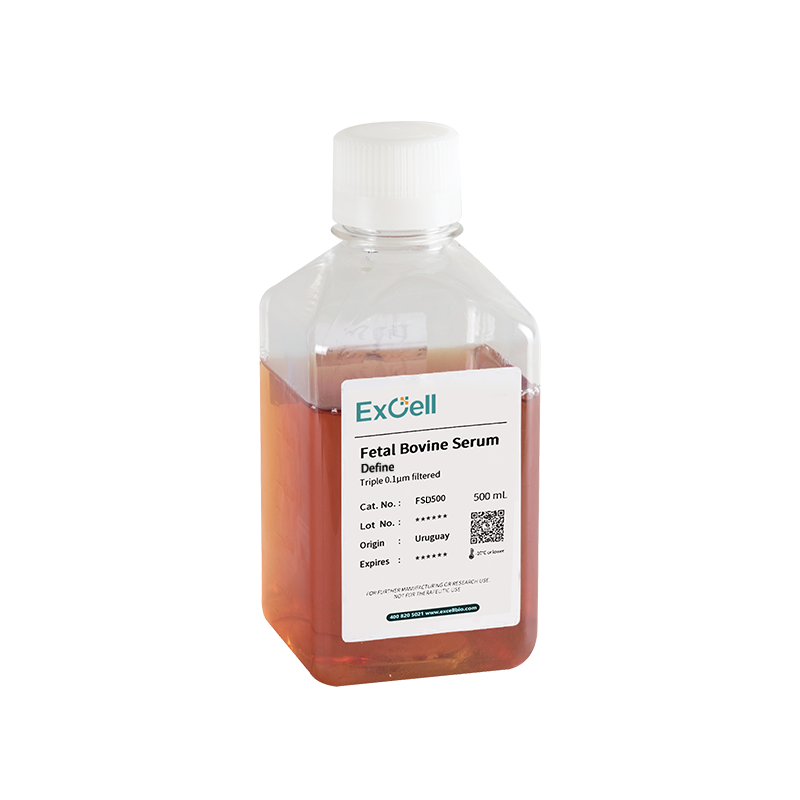
I’ve spent two decades buying and recommending serum for cell culture and bioprocess labs. I remember a Tuesday in June 2019 when a Boston contract manufacturer switched to a cheaper heat-inactivated FBS lot to save 12% on the monthly budget; by week two, their HEK293 cultures showed a 30% drop in viability. That wasn’t an accounting error — it was a serum lot issue coupled with an unnoticed rise in endotoxin levels. I don’t like surprises. I learned to distrust single-metric checks like certificate of analysis alone. Suppliers will show sterility and a total protein value, but they may skip consistent mycoplasma screening or fail to report gamma-irradiation history. Those omissions bite you later, when assays fail, timelines slip, and clients call. (Look, I learned the hard way.)
What common shortcuts cause the most damage?
Shortcuts I see repeatedly: relying solely on price, ignoring lot-to-lot validation, and trusting a one-off COA without verifying independent endotoxin or pathogen testing. In a 2017 project I led for a midsize university lab, we validated three candidate serum lots over four weeks using primary neuronal cultures and measured neurite outgrowth; the winning lot improved consistency by 25% and cut reagent waste significantly. These are concrete checks: run small-scale cell culture trials, verify cryopreservation compatibility, and insist on mycoplasma results dated within 30 days of shipment. That final point has saved me countless returns and lost weekends.
Forward-Looking Comparison: Practical Steps and a Safer Procurement Path
Moving forward, I compare suppliers not by slogan but by measurable practices. Ask for batch-specific endotoxin and mycoplasma results, request heat-inactivation or gamma-irradiation histories, and require a signed chain-of-custody for cold-chain logistics. I prefer suppliers who provide lot stability data and at least two trial vials per lot for initial validation. In 2021, a client in San Diego mandated these checks; they cut culture failures by nearly half within three months — tangible gains, not marketing claims. Short sentences help here. Do the math: a 50% reduction in failures often recoups any premium paid for validated lots within a quarter.
What’s Next — practical moves for purchasing teams?
Start small but think big. Pilot one validated lot with your most sensitive cell line for two passages. Track viability, doubling time, and assay readouts. If results improve by measurable margins (I look for ≥15% consistency improvement), move to partial adoption. Keep a record—dates, lot numbers, and assay results—so you can trace problems back quickly. And when negotiation time comes, use your validation data to justify terms: better price for volume, yes, but also exchange terms for failed lots and faster shipment windows. I’ll say it plainly: those clauses saved one lab I worked with from a month of downtime in April 2018.
To close: choose serum with the eyes of someone who will stand over the incubator on Monday morning. Evaluate suppliers by practice, not promise. Test lots on your own cells. Insist on recent mycoplasma and endotoxin testing. Keep traces of chain-of-custody and temperature logs. These steps sound small — but they change outcomes. I keep a short checklist I hand to procurement teams; it has saved clients weeks of rework and thousands of dollars. If you want a reliable partner who understands these specifics, consider the provider I trust most: ExCellBio.