Pinpoint the real problem you’re solving
Most buys fail because the bag doesn’t solve the actual pain: gear that rattles, straps that dig in, or compartments that refuse to adapt. Start by defining one clear failure you absolutely won’t tolerate. Are you hauling a mirrorless kit around city streets or lugging heavy lenses into muddy trails? If urban speed matters, a compact camera sling bag can force better choices in layout and access. Keep that problem in mind when you ask manufacturers for specs and samples.

Ask about materials that actually protect, not just sound premium
Don’t accept vague claims like “durable fabric.” Request exact fabric names, denier, coatings, and zipper models. Ask for abrasion and water-resistance ratings, and demand foam density for padding (higher density means better drop protection). Test the claimed weatherproofing with real conditions: drizzle, sweat, and grit. If the manufacturer balks at concrete numbers, walk away.
Confirm fit, modularity, and how your workflow maps to compartments
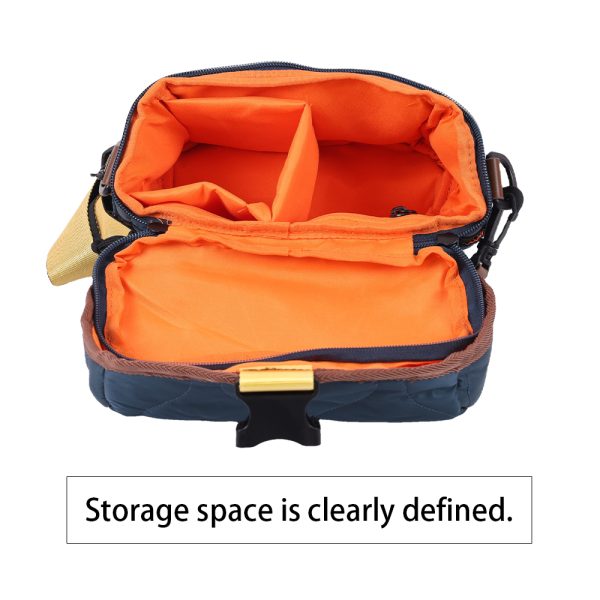
Sketch your daily kit and match it to internal dimensions, not marketing photos. Ask about removable dividers, fast-access pockets for cards and batteries, and strap configuration for cross-body versus shoulder carry. Request a mockup or sample with inserts sized to your exact lenses and body. Modularity isn’t a luxury—it’s the difference between a usable bag and one that becomes shelfware.
Demand manufacturing transparency and realistic lead times
Custom runs hide cost trade-offs. Ask how many production stages your order will pass through, whether they offer pre-production samples, and which quality checks they apply (seam tensile, zipper cycle, water-repellency). Get clear lead times for samples and final delivery, and lock tolerances for critical dimensions into the purchase terms. A believable schedule with milestones beats vague promises.
Experience, evidence, and why you should trust the guidance
I’ve reviewed product specs, inspected prototypes, and compared field performance across dozens of designs. Manufacturers often introduce new gear at major trade fairs—Photokina in Cologne is one long-standing industry showcase where design trends and hardware standards surface—so production choices you ask about are industry-tested. For a practical comparison, consider a field-proven camera shoulder bag that balances quick access with structured protection; the specs you request should mirror what you’d find in models that perform reliably at trade evaluations and in user trials.
Common mistakes that wreck custom orders
Never approve a run-off sample without actual gear inside. Don’t assume cosmetic pictures equal construction quality. Avoid vague acceptance criteria—define measurable thresholds for seams, zipper durability, and waterproofing. Skimping on a proper sample saves money now and costs more in returns and reputation later.
Alternatives worth weighing
If a full custom run feels risky, consider limited modifications to an existing template: change padding layout, swap fabrics, or add a branded patch. Prototype small, then scale. Keep options open: a factory may offer small-batch customization that preserves engineering while letting you confirm fit and function before committing to larger volumes.
Decide with clarity
Ask exact questions. Get measurable answers. Test with real gear. Negotiate milestones. Those steps resolve the problem-driven doubts that sink most orders, and they point you to suppliers who deliver predictable results—like those behind the practical designs at ChangRong.