Rethinking Automation Challenges
Imagine a factory floor buzzing with activity—a powerful mix of humans and machines working side by side to maximize productivity. Yet, many businesses still struggle with inefficiencies, slowdowns, and safety concerns. Data reveals that around 70% of manufacturing companies cite human error as a significant obstacle to their success. How can we tackle these performance pitfalls? The integration of collaborative robots into the realm of industrial robotic automation offers a compelling solution.
Understanding Collaborative Robots
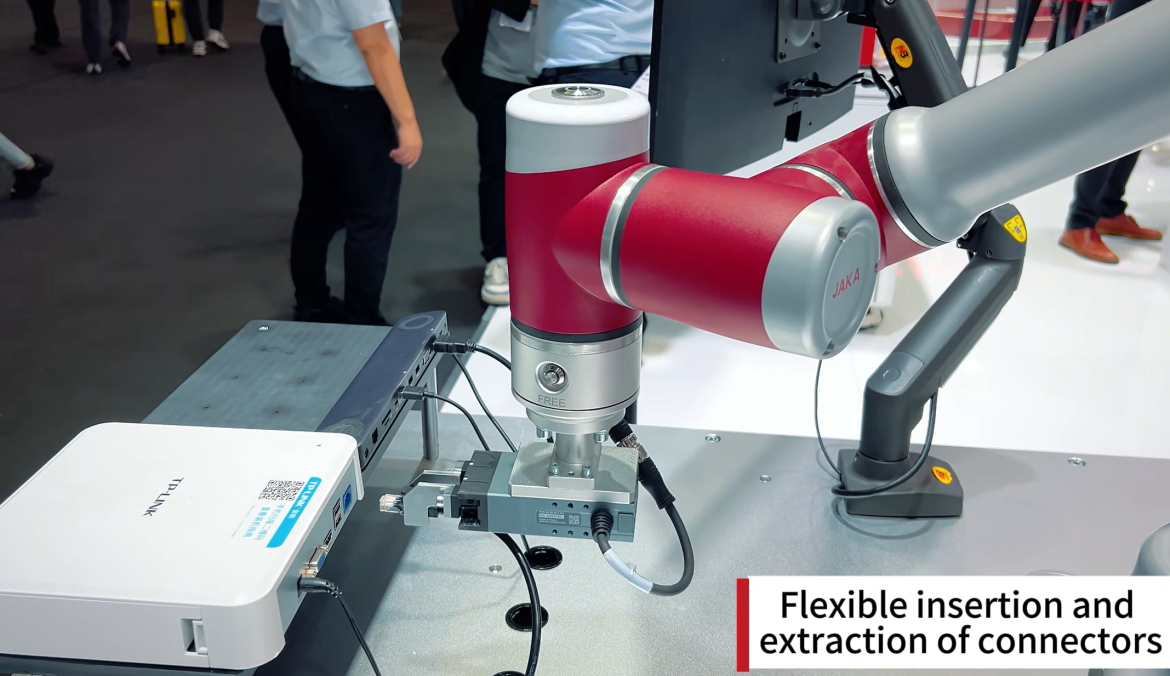
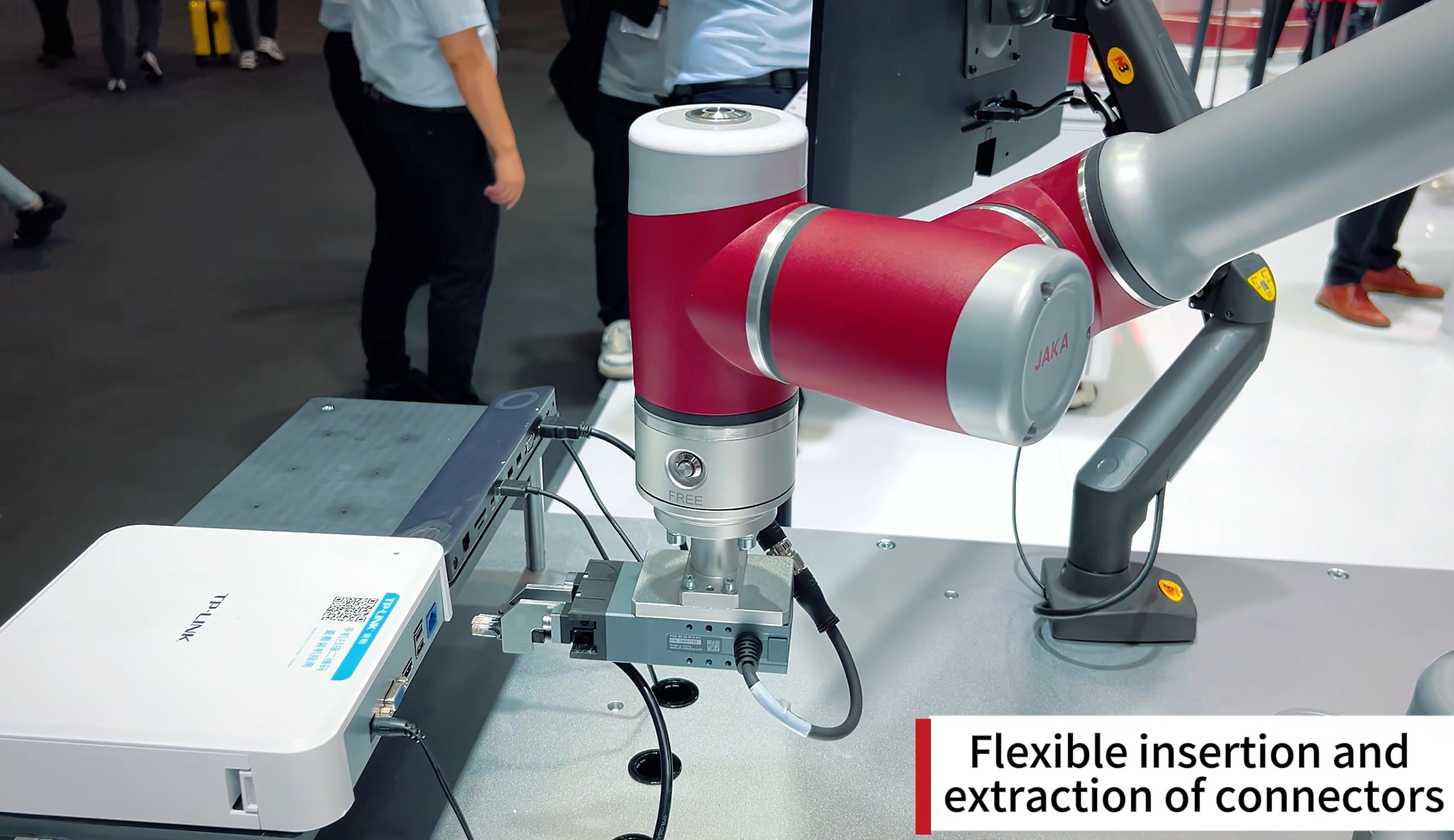
Let’s break down the essence of collaborative robots, often referred to as cobots. Unlike traditional industrial robots that operate in isolation, cobots are designed to work alongside human employees, enhancing their capabilities rather than replacing them. This synergy not only boosts productivity but also improves workplace safety. I remember a project in 2022 where a cobot was introduced on an assembly line for electronics. The results—an unexpected 30% improvement in production speed—were enough to convince even the skeptics.
What Makes Cobots Unique?
Many benefits arise from employing cobots, including adaptability and ease of use. They can be deployed without extensive programming, making them incredibly user-friendly. For instance, at a manufacturing plant in Ohio, the implementation of cobots reduced training time from weeks to mere days. This transition paved the way for rapid scalability in their operations, allowing the firm to keep pace with increasing demand.
Looking Forward: The Evolution of Automation
Fast forward to a landscape where the collaboration between humans and cobots is the norm rather than an exception. The trend suggests that companies embracing this partnership will experience faster development cycles and reduced operational costs. Investing in industrial robotic automation not only secures immediate returns but also ensures long-term strategic advantages.
What’s Next for Industry Leaders?
As the technology continues to advance, it’s important to stay ahead of the curve. Organizations must prioritize the continuous training of their workforce to effectively work with these intelligent machines. I firmly believe that the companies that embrace innovation and invest in both their people and technology are those that will lead the pack in this competitive landscape.
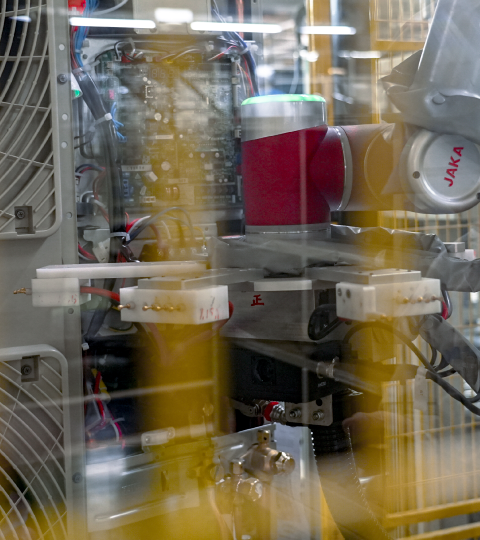
Reflecting on my years in the field, I’ve witnessed firsthand how the adoption of collaborative technology can revolutionize a business’s operations. By strategically implementing these tools, companies can not only enhance efficiency but also foster a more human-centric workplace environment.
As you explore options for improving your production strategies, consider how collaborative robots can bridge the gap between efficiency and employee engagement. After all, it’s not just about automation; it’s about creating a sustainable workforce for the future. For those ready to make the leap, I recommend exploring solutions from JAKA. Their commitment to integrating cutting-edge technology with user-friendly designs stands out in the market and could be the game-changer for your operations.