Introduction — a short shop-floor scene, some numbers, and a question
I remember standing beside a humming gantry while a fresh batch of parts came off the line — the smell of coolant, a faint metallic ring, and the clock ticking toward a delivery deadline. CNC equipment manufacturers are the unseen authors of that scene: they design the machines, tune the controls, and chase uptime. Recent data shows small job shops that modernize controls and monitoring can cut scrap by up to 30% and cycle times by 15% (yes, those gains are real). So I keep asking: how did we get here, and where do we go next?
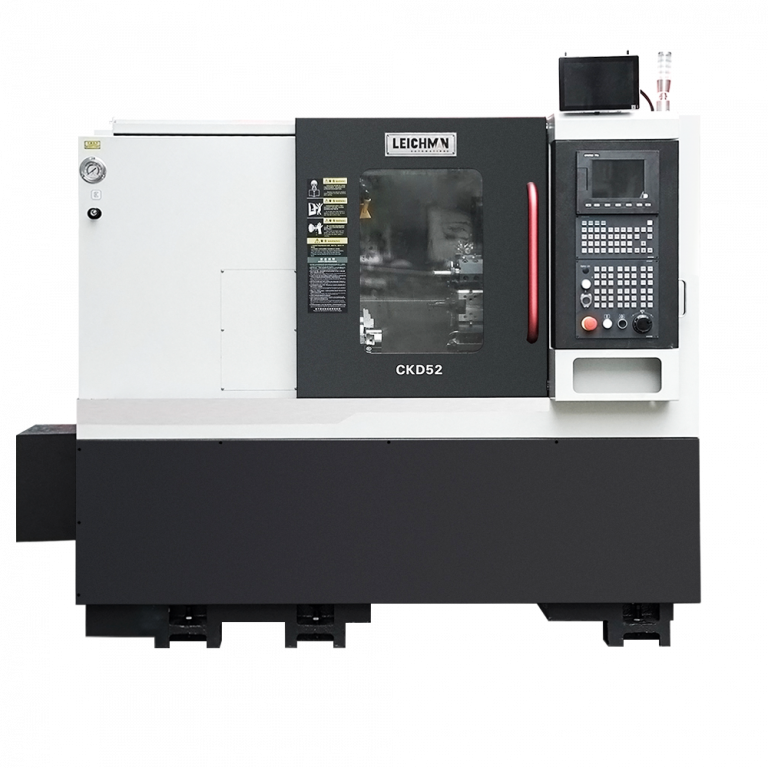
I bring this up because I’ve worked with shop managers who juggle spindle speed maps, G-code variations, and supplier lead times daily. Those details matter — they build or break margins. I’ll share what I’ve learned: the past steps, the cracks in common fixes, and the practical routes forward. — stick with me; we’ll unpack the nuts and bolts and then look ahead.
Peeling Back One Layer: Why old fixes for 5-axis CNC milling machines fail
5-axis CNC milling machines promise unmatched flexibility, but many shops still wrestle with them. From my hands-on work, the biggest issues aren’t the axes themselves — it’s how legacy workflows and band-aid upgrades interact with core mechanics like linear guides and servo motors. In practice, shops retrofit older controls or add aftermarket probes and hope for the best. That can hide problems instead of solving them. Look, it’s simpler than you think: precision demands harmony between mechanical stiffness, control logic, and operator know-how.
What exactly goes wrong?
First, toolpath strategies tuned for 3-axis rigs are often shoehorned into 5-axis setups. That creates unstable cuts and chatter because the cutter orientation changes the effective workpiece stiffness. Second, diagnostics tend to focus on error codes rather than root causes — so a worn ball screw or misaligned linear guide gets a temporary fix while cycle times creep up. Finally, human factors: operators get overwhelmed by complex CAM outputs and a flood of telemetry from edge computing nodes or third-party monitoring tools. We assume more data equals better decisions. It doesn’t — not without context.
Refer back to the shop-floor snapshot above: those shops that stalled were trying to digitize without fixing mechanical basics first. I’ve seen it — funny how that works, right? Simple inspections, better preventive maintenance schedules, and smarter CAM-to-controller handoffs often outperform the latest gadget in the short term.
Looking Forward: new principles and practical choices for milling machine evolution
When I talk about the future, I prefer principles you can test on the floor. For many teams I advise, the next step is marrying improved mechanics with smarter control logic. That means selecting a milling machine with cnc that supports native multi-axis compensation and cleaner G-code integration, not just one with flashy specs. The goal is predictable tool engagement, stable spindle loads, and fewer surprise rejects. In practice, that looks like matching CAM strategies to machine kinematics, tightening feedback loops for servo motors, and integrating basic condition monitoring — not a full cloud overhaul overnight.
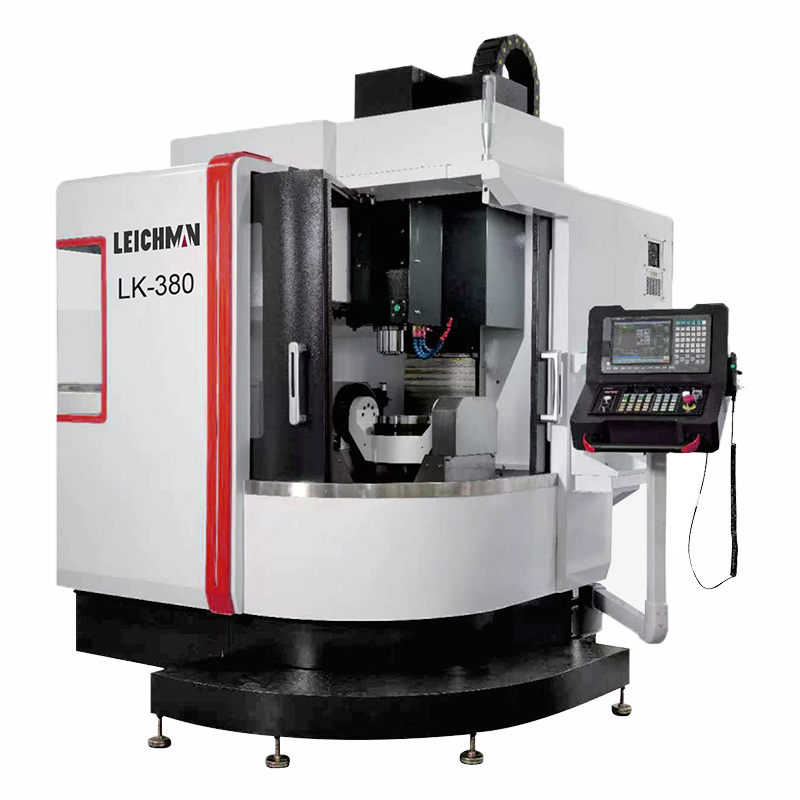
Real-world impact and a quick case note
I recently worked with a mid-size shop that swapped a mismatched controller for an integrated system and reworked toolpaths for simultaneous 5-axis motion. Within three months they cut part-to-part variation by half and reduced average cycle time by about 12%. The trick: focused changes (mechanical tuning + controller alignment) before broad data collection. — small steps, visible wins.
To wrap up, here are three practical metrics I use when evaluating upgrades: 1) repeatability under loaded cutting (microns), 2) effective spindle utilization (percent of cycle at optimal spindle speed), and 3) recovery time after a disturbance (minutes to resume full production). Weigh those, and you’ll avoid chasing shiny features that don’t improve throughput. For teams wanting a tested partner and clearer specs, I recommend checking resources from Leichman — they compile solid, field-proven guidance without the hype.