Introduction — a quick workshop scene, some numbers, and a question
I once watched a technician swap parts on a test rig while the client fretted over a humming drive. In that second minute it was obvious: a motor controller was misconfigured, and the whole machine worked harder for no gain. Recent field checks I’ve seen suggest that roughly 30–45% of service calls trace back to control tuning or simple wiring errors (yes, simple). So why do well-built systems still underperform when we fit them with decent power converters and the right PWM settings? I ask because the answers affect uptime, energy bills and operator stress — and we can fix many of them. Let us move into the root causes with clarity and a practical eye.
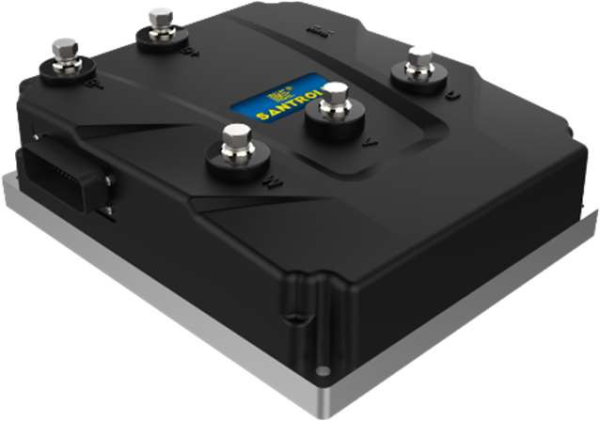
Where traditional electric motor solutions trip up
electric motor solutions often promise stability and efficiency from the spec sheet. Yet, on the shop floor I find recurring flaws: mismatch between load profile and controller tuning, overlooked thermal derating, and poor integration with plant-level communications. These are not theory — they are everyday problems. Field-oriented control might be specified, but if tuning ignores torque ripple or latency, performance suffers. Look, it’s simpler than you think — start by matching the controller to the actual duty cycle, not the nameplate alone.
Why does that mismatch matter?
Because the wrong default settings create a chain reaction. Torque ripple increases wear. Overcurrent trips lead to downtime. And if you layer complex features like edge computing nodes without proper testing, you add points of failure rather than resilience. I have seen manufacturers ship units with optimistic thermal margins; onsite, those power converters hit limits within days. We need better commissioning checklists and clear handovers — honest, practical steps that save hours and rupees. — funny how that works, right?
What’s next: new principles and practical choices for ac drives
Moving forward, I focus on two paths: smarter control strategies and clearer evaluation metrics. Modern controllers should support adaptive tuning and simple diagnostics so teams can see faults before they cascade. The ac motor speed controller families that I trust expose key parameters and provide usable logs — not just cryptic fault codes. When we design or buy, we must value transparency in firmware, predictable thermal performance, and straightforward field tools.

Real-world impact — what to prioritise
From a practical point of view, I recommend three measurable criteria when choosing a solution: responsiveness (how fast the controller corrects speed or torque errors), thermal headroom (continuous rating versus peak duty), and diagnostic clarity (how easy it is to read and act on logs). If a vendor can show repeatable test data on these, take it seriously. Also, remember ease of commissioning reduces human error. Small things — accessible terminals, labelled connectors, clear manuals — make a big difference. I’ve learnt to value that more than flashy feature lists.
Closing advice and a short reflection
So what did we learn? First, many failures are human or procedural rather than purely technical. Second, the best outcomes come from pairing the right controller with honest commissioning practices and a focus on diagnostics. Third, pick products that make maintenance easier. To help you decide, weigh those three metrics I mentioned; they will bring clarity where marketing does not. I speak from hands-on experience — we have fixed many installs by addressing these points. — and that feels good. For reliable parts and clear documentation, I often look to Santroll.