A Split-Second Choice at the Curb
Energy that only flows one way is a song cut in half. A bidirectional EV charger lets the chorus come back, richer and in time. Picture this: you pull into the driveway at dusk, the grid is peaking, the street hums, and your car is sitting with 70% state of charge. Studies say cars are parked over 90% of the day, and home demand spikes for just a few short hours—so why not trade your quiet battery for a cooler house and a calmer grid? The data sings: even a single vehicle can buffer kilowatt-scale swings, trimming costs and smoothing volatility. But if the chord is there, why does the melody fall flat for so many homes and small sites (schools, clinics, co-ops)? Is it wiring, software, or a missing piece upstream?
Here’s the question: when the meter spins fast and the streetlights blink on, what decides if your EV helps or hides? Let’s step through the choices—and the real gaps—so the next move lands on the beat.
Under the Hood: Why Traditional Setups Miss the Beat
What problem hides behind the plug?
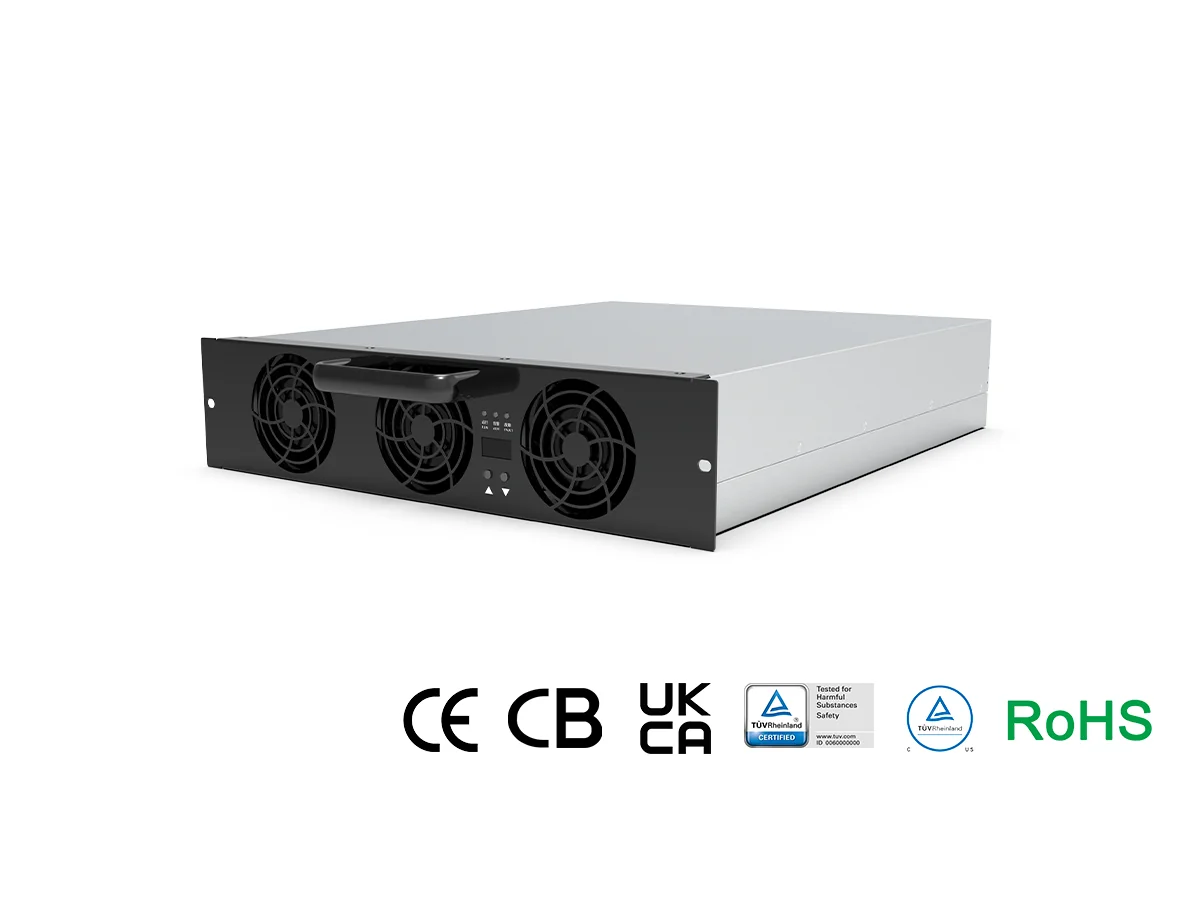
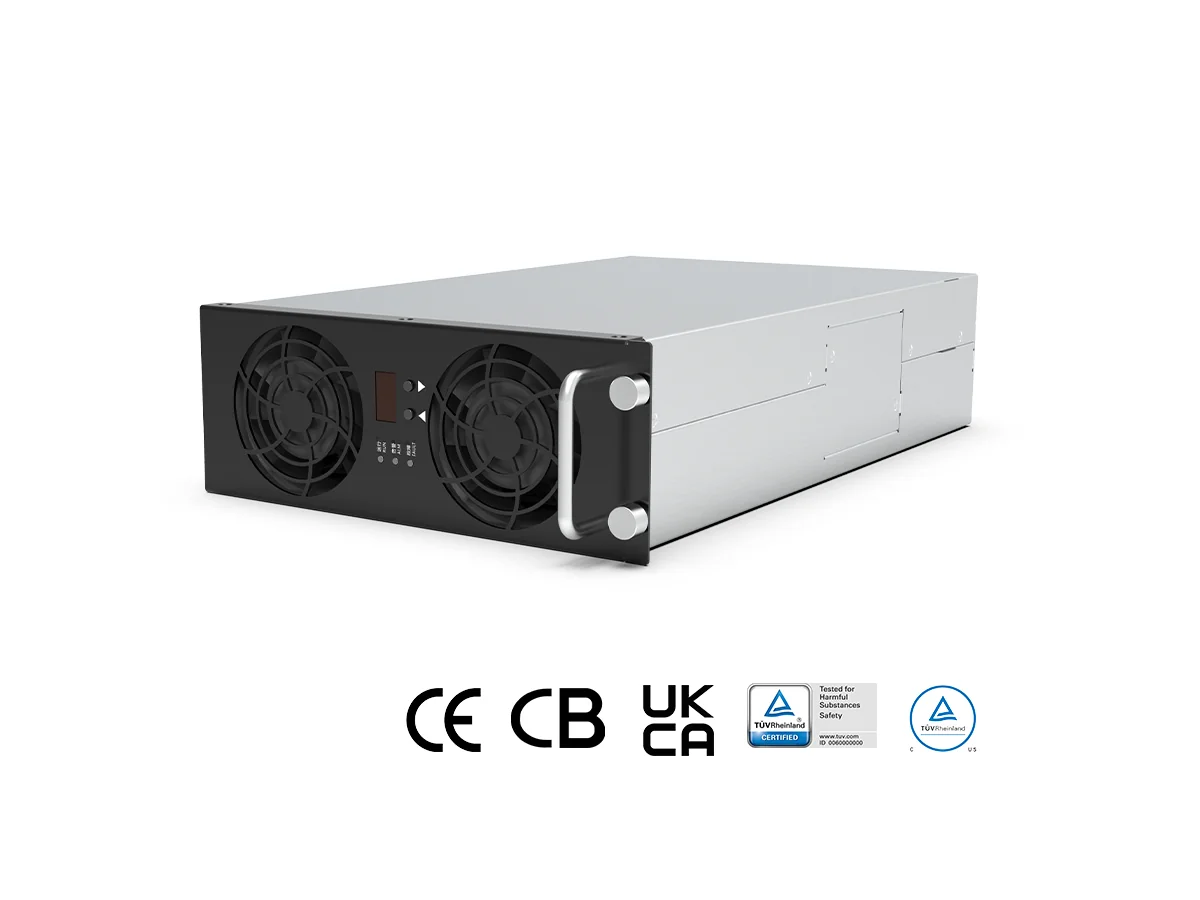
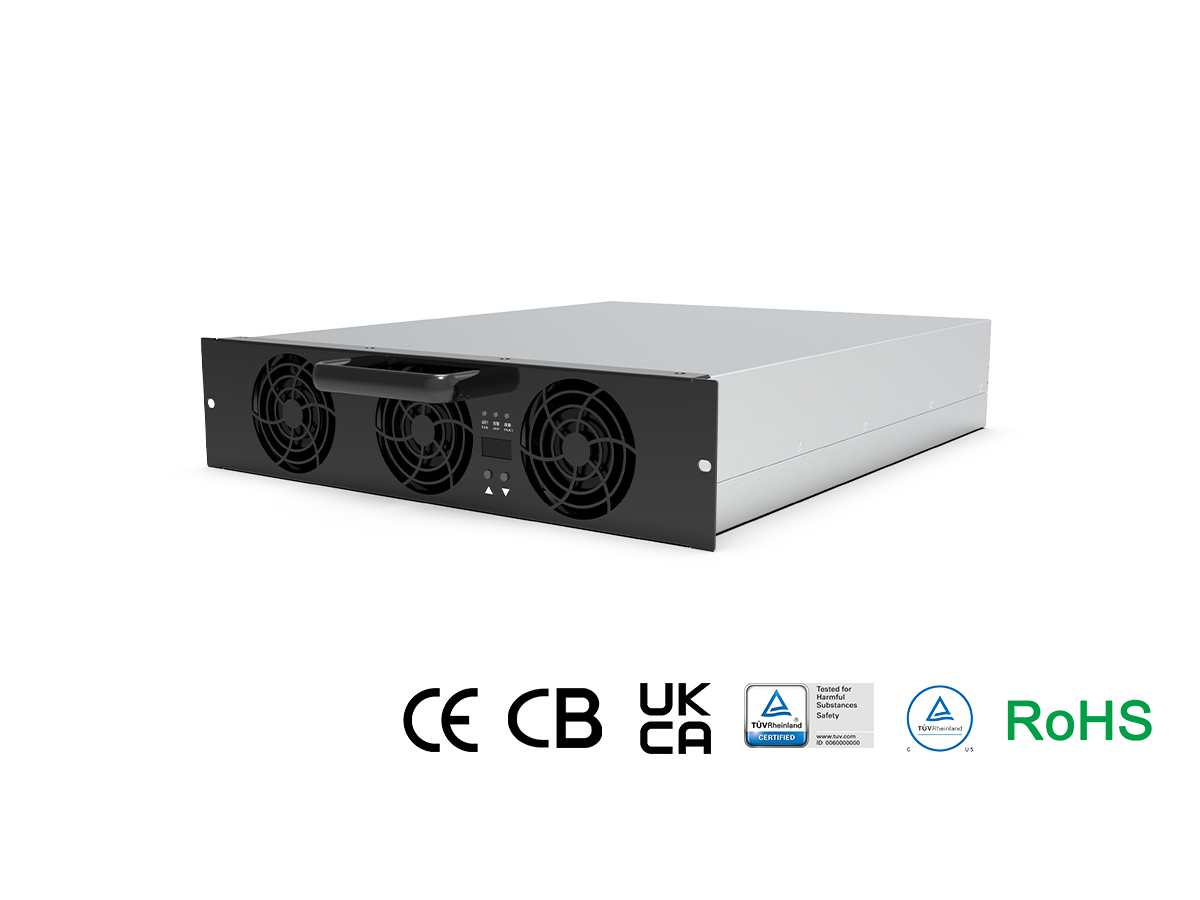
Most legacy chargers treat the car like a sink, not a source; they never learn the rhythm of your load, and they ignore grid moments that matter. The result is stranded capacity. Bidirectional 20kw power module solutions reframe the link between battery and building with tighter control over DC buses and smarter power converters. Look, it’s simpler than you think: when the module knows your state of charge and your schedule, it can prioritize home backup, then send surplus to the grid. The technical hinge is a clean inverter topology, fast current response, and stable power factor under rapid swings. Without that, you feel clicks and lags—funny how that works, right?—and give up on V2H or V2G after a rough first week.
Hidden pain points lurk in the plumbing. Low-efficiency operation at partial load wastes the very value you’re trying to unlock. CAN bus chatter and edge computing nodes that aren’t synchronized make dispatch late by seconds, so you miss peak events. Poor galvanic isolation increases noise, raising harmonic distortion and making sensitive appliances hiss. And when firmware updates happen without graceful fallback, your car becomes a very expensive porch ornament. The deeper fix is boring and beautiful: predictable controls, low-latency telemetry, and a DC link sized to manage quick pulses without thermal stress. That’s the groove a home or microgrid can keep.
Comparative Horizon: From Today’s Boxes to Tomorrow’s Grids
What’s Next
The near future favors modules that act like good bandmates: quiet, fast, and aware. Instead of bulky hardware chasing every ripple, new technology principles rely on high-frequency switching with SiC devices, model-based control, and adaptive filters that hold power factor steady while loads jump. Systems such as 20kW EV charging modulebidirectional charger 210 point to a pattern: a modular DC stage that can share current across cabinets, soft-start routines that respect battery health, and telemetry tuned to the millisecond so grid signals aren’t stale on arrival. Put simply, we compare yesterday’s fixed, one-way bricks to tomorrow’s flexible, two-way nodes—and the latter make microgrids hum. Fewer conversion steps, less heat, clearer harmonics. Short sentences for a reason. Less noise means more trust.
From these contrasts, three selection metrics stand out if you want numbers, not notes. First, check round-trip efficiency across the curve; partial-load performance matters more than the peak rating, and it should stay high as dispatch ramps. Second, measure control latency end-to-end—vehicle ECU to module to meter—because a fast loop is the line between hitting or missing a demand event. Third, confirm standards and thermal honesty: grid-code compliance (IEEE 1547 where relevant), clear derating curves, and a mean time between failures that survives summer. Keep an eye on integration too: clean CAN bus behavior, resilient edge computing nodes, and inverter topology that keeps harmonic distortion low— and yes, that’s the quiet win. With those anchors, the rest becomes arrangement and taste. For a grounded reference point as you compare, see winline charging station.