Introduction
I was standing at a depot in Wellington when a bus rolled up, barely touched the pantograph and—boom—fully topped for the next run. It felt like magic, but the stats tell a different story: fleets using reliable pantograph charger setups cut dwell time by up to 30% in some trials. The pantograph charger was the quiet star that day — simple interface, quick engagement, no faffing about. (Sweet as, right?) So why do some systems fail to deliver consistently across fleets and cities, while others run like clockwork — dependable, fast, and low on maintenance? Let’s unpack that next.
Digging Deeper: Where Traditional Systems Trip Up
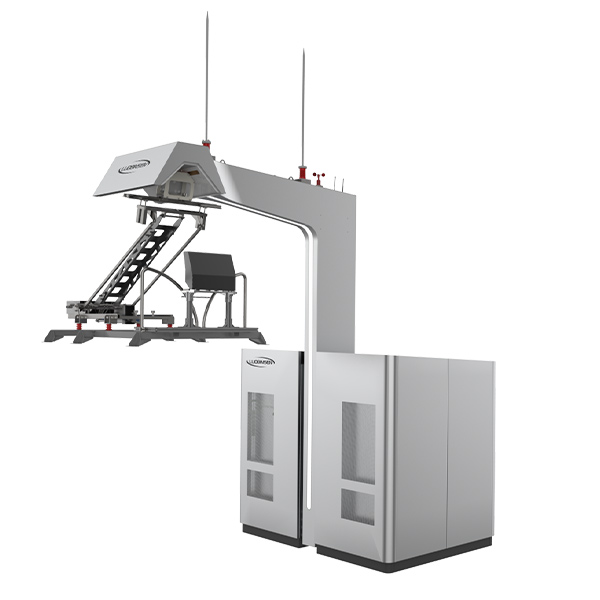
I want to get straight to it: the pantograph charging solution many operators buy off the shelf often looks good on spec sheets but shows strain in real life. Technically speaking, issues usually emerge where mechanical design meets power electronics — poor alignment tolerances, inadequate power converters, and mismatched control logic. When a pantograph collector can’t tolerate slight bus sway, you get intermittent contact, arcing and accelerated wear. Add weak thermal management in converters and you’ll see failures that are avoidable. I’ve watched maintenance teams rework entire roof assemblies because the dynamic charging profile wasn’t tested against real-world bus movement — waste of time, mate.
Look, it’s simpler than you think: manufacturers sometimes optimise for cost, not uptime. That choice shows up as frequent inspections, expensive spare parts, and unexpected downtime. In short, the common flaws are mechanical vulnerability, inadequate electrical protection, and poor software integration with fleet control systems. These create hidden costs that aren’t obvious at purchase — spare stockpiles, more technicians on the payroll, and shortened component life. Dynamic charging, overhead catenary interface issues and insufficient edge computing nodes for real-time control are symptoms, not the root cause. — funny how that works, right?
So what exactly breaks first?
Forward Look: Principles and Practical Metrics for Better Systems
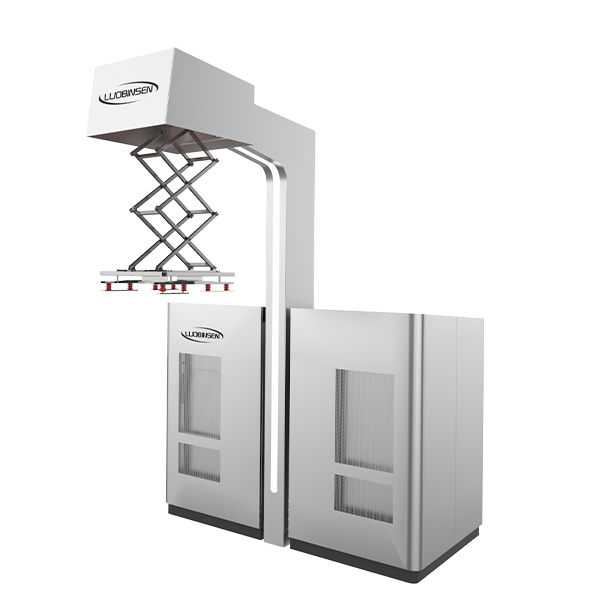
Moving forward, I’d focus on principles rather than promises. New designs should blend robust mechanical tolerance with smart power management: adaptive control logic for variable contact pressure, modular power converters for easy replacement, and improved thermal pathways. For fleets thinking about upgrades, consider how the system handles imperfect conditions — windy routes, ageing buses, and mixed-speed stops. A good pantograph ev charging choice balances reliability with maintainability; it’s not just about peak power, but predictable performance day in, day out. I’ve seen trial deployments where better sensor fusion and a small edge computing node cut fault flags by half — practical, not theoretical gains.
Real-world outlook: expect convergence between mechanical resilience and smarter electronics. Overhead catenary compatibility will improve, collectors will be more forgiving, and software will proactively manage wear. When you evaluate systems, look for clear test data under varied operational conditions. Ask for failure-mode reports; demand modular power converters and easy parts access. These are the moves that save time and money over a fleet’s life. — and yes, we get a bit excited about that kind of sensible engineering.
What to measure before you commit?
Conclusion — Three Evaluation Metrics I Use
I’ll finish with three straightforward metrics I always check before recommending a system. First: mean time between failures (MTBF) for both the pantograph collector and the power converters — that tells you real reliability. Second: maintenance turnaround time — how quickly can you swap a module and get a vehicle back on the road? Third: operational resilience — measured as successful engagement percentage under varied environmental conditions (wind, rain, bus sway). If a vendor can’t give transparent numbers for those, walk away.
We’ve moved from a neat depot anecdote to practical criteria you can use tomorrow. I’ve worked with engineers who were sceptical at first, then surprised by simple fixes that delivered big uptime gains. If you want to explore concrete solutions or see examples, check how a thoughtful pantograph ev charging approach can change operations: pantograph ev charging. In my view, sensible design and honest data beat glossy marketing any day. For credible products and parts, see Luobisnen.