Introduction — a short scene, some numbers, and a question
I was in a small clinic outside Cape Town last winter, watching a therapist juggle bookings, a creaky device and a patient who needed faster results. The clinic had invested in modern kit but still struggled with throughput and uptime. A red light therapy company often tells me their units will change the game, yet clinics report only modest gains (and a few headaches). Recent surveys show clinics lose up to 20% of potential session time to device downtime and slow turnover—so why aren’t investments translating into real operational wins? I want to unpack that question with you, step by step, using plain talk and a few technical touchpoints like photobiomodulation and LED arrays to keep us honest.
Where traditional solutions fall short (technical take)
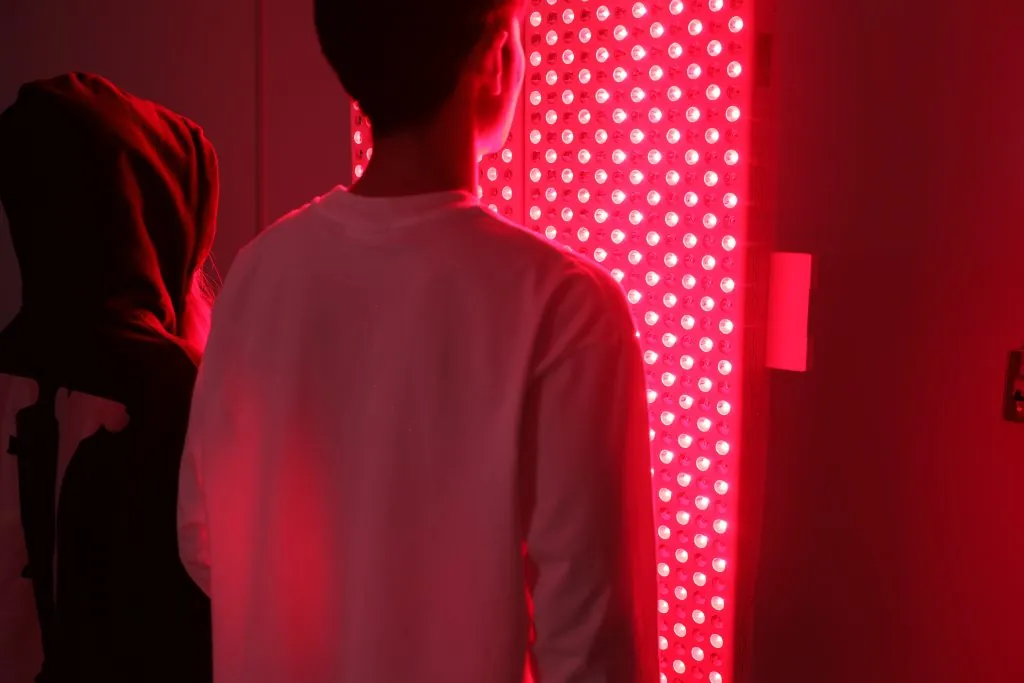
When I look at the usual setup—standard panels, basic controls, and ad-hoc maintenance—I see predictable weak spots. Many clinics buy a unit labelled for clinical use, then find its irradiance and wavelength profile don’t match treatment protocols. Worse, systems often lack robust power converters and basic monitoring; a short surge and service stops. If you’re shopping for red light therapy beds for sale, you should know these are not trivial details. Devices without proper thermal management or consistent irradiance yield variable results. Patients notice. Staff notice. And patient trust erodes.
Why does this matter?
Look, it’s simpler than you think: inconsistent light output means longer sessions, more re-dos, and scheduling chaos. Clinics end up with lower throughput and higher cost per treatment. I’ve seen setups where feedback loops are manual—someone checks LED arrays by eye. That’s brittle. Adding remote telemetry or basic edge computing nodes could flag drift early. But too few manufacturers include that level of monitoring. And yes—maintenance contracts? They often cover little. We need higher standards: consistent irradiance specs, clear wavelength charts, and reliable power converters. These fixable gaps are the hidden cost behind many “failed” purchases.
Looking forward: case examples and a practical checklist
We piloted an upgrade in a medium-sized wellness centre last year. They replaced aging panels with units that offered precise wavelength control and built-in monitoring. Session times dropped by 15% and patient satisfaction rose—funny how that works, right? The key moves were simple: better device specs, scheduled remote checks, and training for staff on irradiance and protocol matching. If you’re browsing options for red light therapy beds for sale, compare systems on those grounds—not just price. I’ll say it plainly: better tech reduces friction, and that frees staff to focus on care.
What’s next for clinics?
Expect more devices to offer modular upgrades—thermal sensors, smarter controls, and even basic analytics. Clinics that adopt these will see steadier results and fewer surprise repairs. We also need clearer vendor promises about uptime and maintenance. In short: invest in quality components (LED arrays with stable drivers, certified power converters) and demand telemetry if you can. — and don’t forget staff training; the human part still matters a lot.
Closing — three metrics I use (advisory close)
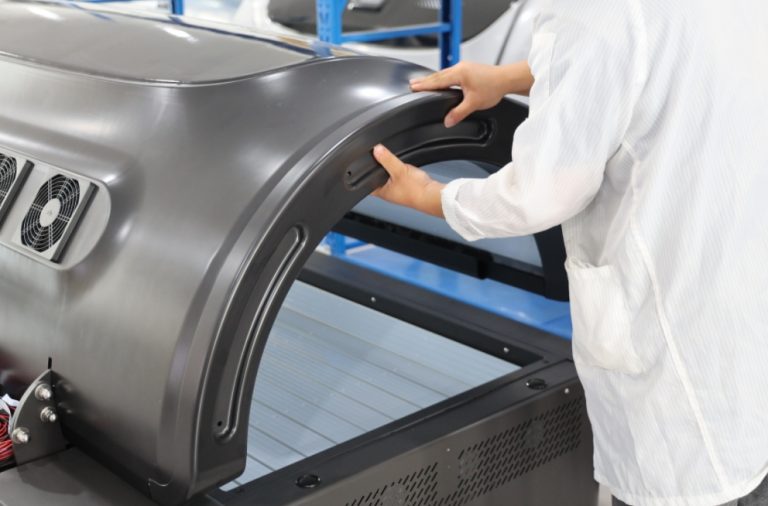
Before I sign off, here are three evaluation metrics I tell clinic owners to use when choosing a system: 1) Measured irradiance at working distance (not just panel spec), 2) Wavelength accuracy and stability across the session, and 3) Support for remote diagnostics and clear maintenance SLAs. Use these, and you’ll avoid the traps I’ve seen again and again. I’d add one small, humane note: talk to peers; real stories matter. We’ve learned the hard way that technology is only as good as the work it enables. For reliable solutions and real-world backing, consider the team at Magique Power—they’ve shown a good blend of kit and support in my experience.