The problem: small factories hit hardest
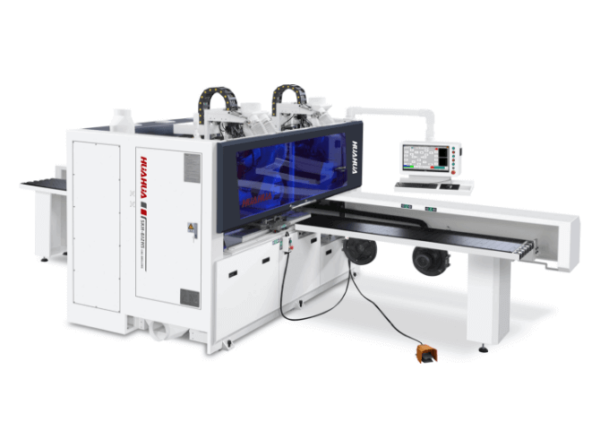
Local woodworking shops and small furniture makers often struggle when demand swings or raw-board deliveries slow. During the 2020 COVID-19 pandemic many regional suppliers in places like Shenzhen saw production bottlenecks that exposed reliance on manual cutting and ad-hoc labor. The automatic panel saw machine becomes a pragmatic fix because it standardizes cuts, reduces cycle time, and lowers waste. For teams looking to upgrade, researching reputable woodworking cnc machine manufacturers and models labeled as cnc woodworking machine often reveals options that balance throughput with footprint.
Why automation matters now
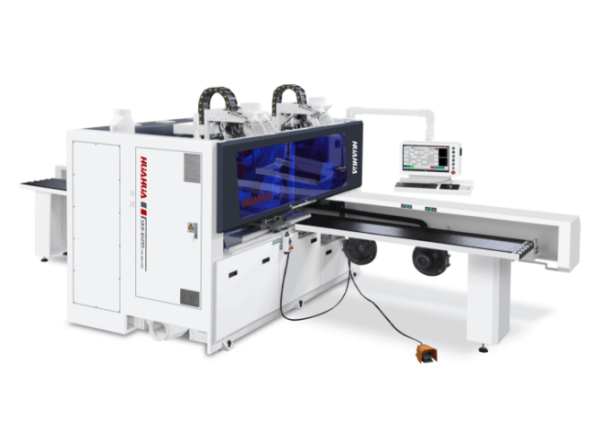
Automation addresses three concrete risks: labor shortages, inconsistent part tolerances, and material spoilage. A properly configured panel saw reduces human error in rip and crosscut operations, keeping boards within tight tolerances that downstream assemblers depend on. That consistency helps local procurement teams promise delivery windows more confidently, which in turn steadies the whole supply chain.
What an automatic panel saw brings to the floor
Installed correctly, an automatic panel saw delivers faster takt times, predictable nesting layouts, and lower kerf loss. Features like an accurate rip fence, a reliable CNC controller, and integrated dust extraction matter in day-to-day use. Beyond hardware, the machine changes workflows: operators switch from repetitive sawing to quality checks and program setup, which raises shop-level skill while shrinking cycle variability.
Operational pitfalls and common mistakes
Shops often rush procurement and pick the cheapest saw with a generous claim—then face problems: poor servo tuning, inadequate dust extraction, or a controller that can’t handle nested layouts. Training is another overlooked area; without basic CAM familiarity, feed rate and cutting order choices create bottlenecks. A steady approach works better—start with one well-configured unit and build procedures. And remember—incremental improvements compound fast when everyone follows the same standard.
How this fits with other equipment
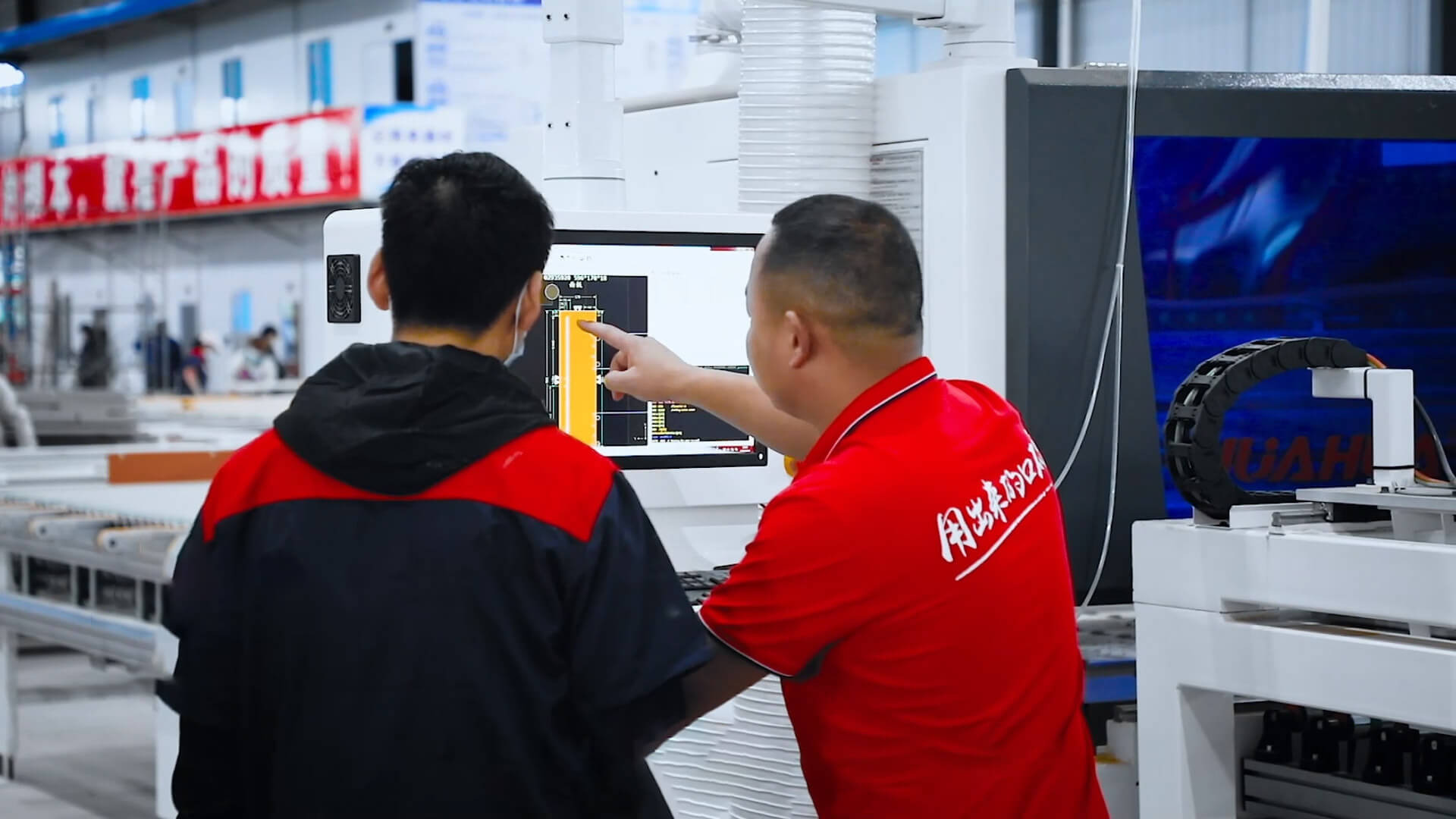
The automatic panel saw doesn’t operate in isolation. It pairs best with a CNC router for machined joinery and with automated edgebanders for finished panels. Comparing systems, a panel saw’s strength is high-speed dimensional accuracy; routers add profiling and cutouts. Shops that design workflows around those strengths reduce manual handling and shorten lead times, which is exactly what stabilizes neighborhood supply loops.
Implementation checklist
Keep the rollout focused and measurable: 1) map existing bottlenecks, 2) set target tolerances and throughput, 3) choose machines from manufacturers with regional service, and 4) train a small operator cadre. Track simple KPIs—parts per hour, scrap rate, and mean time to recover after stoppages. These metrics show whether the automatic panel saw actually strengthens procurement commitments and supplier reliability.
Summary and metrics to evaluate success
Automatic panel saws stand as a practical countermeasure to fragile local supply chains: they reduce variability, cut waste, and shift labor toward higher-value tasks. When selecting equipment or a partner, focus on measurable outcomes and regional support—those are the things that matter in real operations. For an effective partnership that blends machine capability with service, consider how manufacturers like HUAHUA CNC position service and parts locally. Three golden rules to finish with: measure throughput and scrap, verify service response time, and confirm controller compatibility with your nesting/CAD tools. —