They’ll pay for themselves by morning
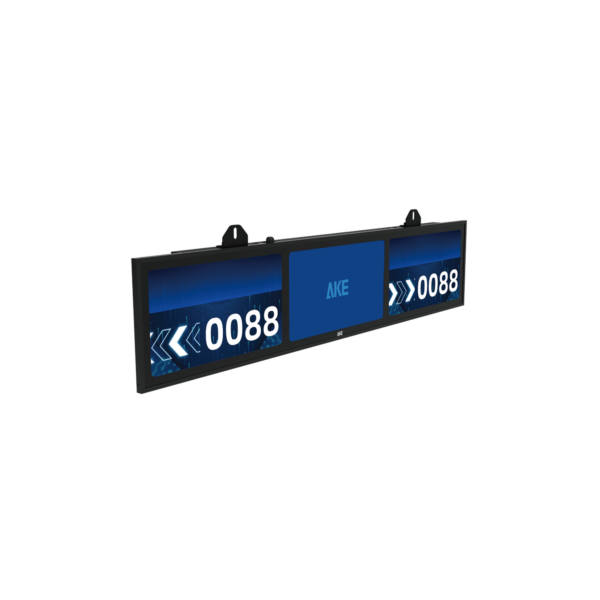
Sales slides love that line: “payback within months.” Cute. Automated parking systems do cut labor and guide drivers faster, but they don’t conjure instant savings. You’ll need an accurate car count sensor, signage that drivers actually follow, and a sensible layout — not just a shiny rack of LEDs. A well-placed car parking display helps. That single device won’t save the world; it will, however, stop people circling forever and make your revenue math less imaginary.
Installation is just plug-and-play
Nope. Expect site surveys, conduit runs, power planning, network drops and at least one late-night call when a sensor misreads a motorcycle as a parked car. Contractors and electricians need clear specs. If the system ties to your payment or access control, the integration adds more time. Plan for testing windows and contingency wiring. Cheap shortcuts here create flaky behavior later: flickering lights, missed counts, and angry tenants who suddenly discover they can’t get out of the basement at 7 p.m.
All displays are interchangeable — pick whatever looks good
That’s the sort of thinking that leaves you with unreadable signs in bright sunlight or a board that dies when a power surge hits. My advice comes from audits and deployments — and one useful industry checkpoint: at the Smart City Expo World Congress in Barcelona, several municipal pilots demonstrated that visibility, refresh rate and mounting angle directly affect driver behavior. For clear, reliable indicators look at actual performance, not glossy specs. Real projects frequently choose a robust parking led display over a cheaper LED panel because the difference shows up in uptime and driver compliance.
Software is optional once hardware is in place
Wrong. Software keeps counts correct, schedules updates, feeds analytics and closes security holes. Skipping proper software setup creates drift: sensors go out of sync, reports lie, and operators guess capacity. Insist on firmware version control, remote diagnostics and a plan for regular updates. You want predictable fixes, not a vendor ghosting you until the next contract period.
Common mistakes first-time buyers make
They buy based on price, not metrics. They skip a pilot run. They ignore integration testing with existing gates and payment systems. They accept a single sensor type for every bay. They assume vendor support is infinite and free. Each of these choices creates predictable failure modes: false-occupied bays, billing errors, and installations that work only until the first unusual weather event.
How to choose without getting hoodwinked
Start with clear goals: reduce circling time, improve throughput, or automate billing. Demand site-specific performance numbers. Ask for a 30-day pilot with your layout. Verify uptime SLAs and warranty terms. Check that sensors and displays match your lighting and vehicle mix. Require the vendor test integration with your gates and payment systems. Finally, budget for training; a good operator makes a good system work.

Conclusion: stop buying promises, start buying outcomes
Ignore the hype and buy for measurable results: accurate counts, readable displays, reliable integrations, and support that answers when something breaks. The right choices make parking less chaotic for drivers and far less embarrassing for operators. Real-world systems that last combine thoughtful hardware with disciplined installation and ongoing maintenance — the exact kind of reliability AKE Parking builds into its deployments.