Introduction
I remember being stuck in a rainstorm while my car trickled along at a crawl—no outlet in sight, no clear plan, and a phone map full of empty markers. In many of those moments I’ve thought about how a dc ev charger network could change daily life for drivers and city planners. Scenario: urban commuters, rising electric vehicle adoption, and growing demand for reliable, fast energy access; data: global EV sales jumped over 50% in recent years and charging sessions have surged accordingly. So where are the real bottlenecks—what still stands between us and seamless long-range travel? (I ask this because I’ve sat in that car, waiting.) This article steps into that question and moves us toward what matters next.
Unseen Flaws in Fast Charging Infrastructure
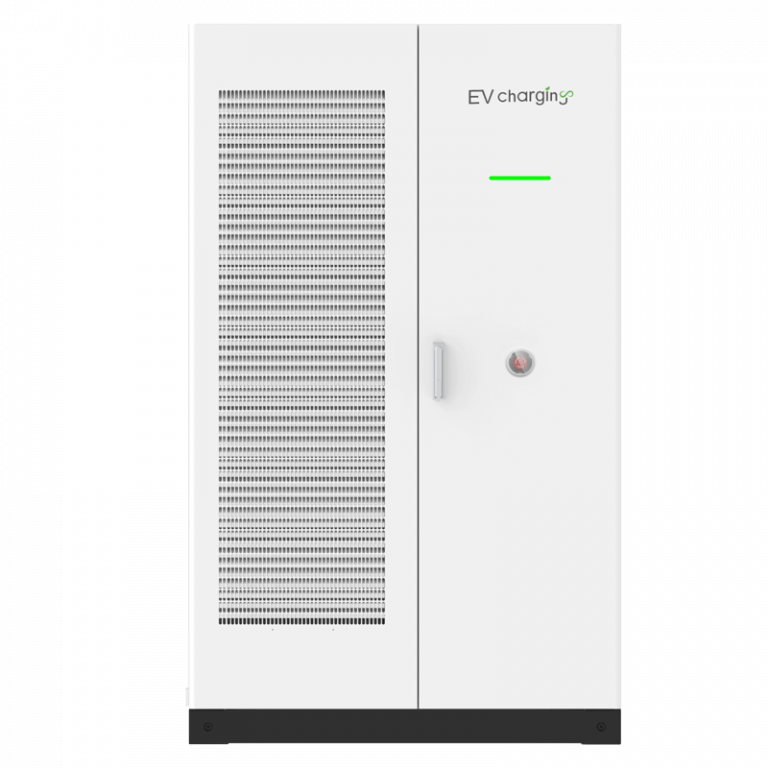
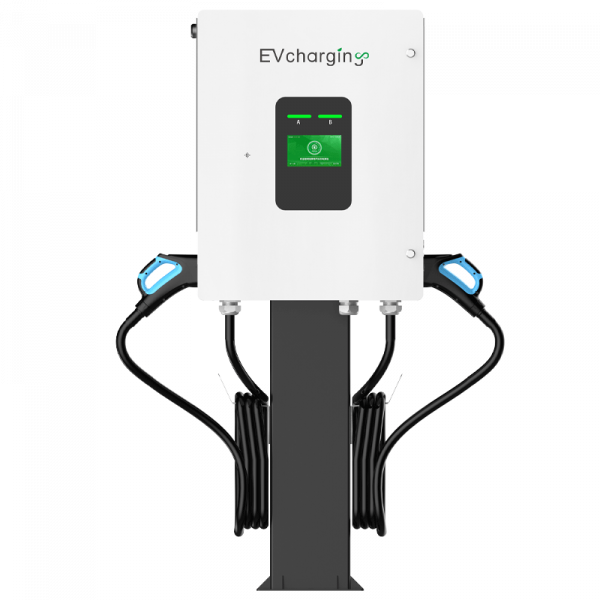
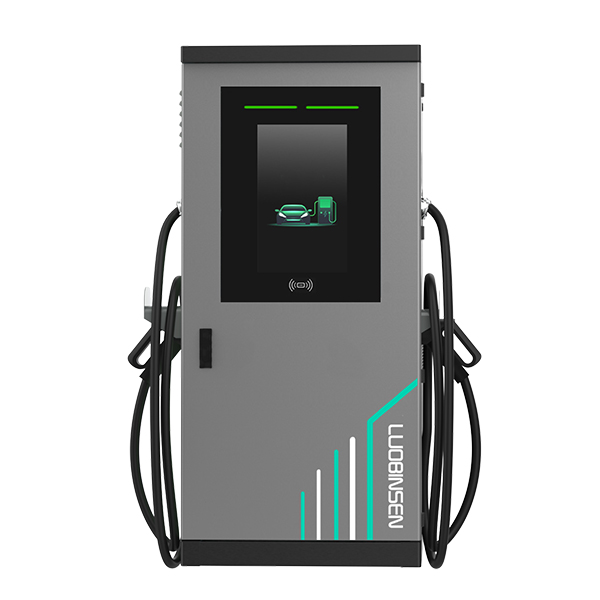
fast charging electric car stations are the face of rapid EV adoption, but I’ve found they hide deeper, systemic problems. First, many installations rely on grid upgrades that lag behind demand. Second, station designs often ignore real user behavior—drivers don’t always follow the idealized flow charts engineers draw. Third, thermal management and power converters are frequently pushed to their limits during peak hours, which reduces long-term reliability. Look, it’s simpler than you think: the customer wants a predictable five- to fifteen-minute charge, not a technical lecture. In practice, chargers sit idle during off-peak hours and then face heavy concurrent demand. This mismatch produces stress on transformers, creates uneven load patterns, and drives up operational costs—factors that planners and operators must reckon with.
Why do current systems falter?
Let me be blunt: many fast charging sites were built to test concepts, not to scale sustainably. The problems trace to a few technical corners. Charging protocols vary across manufacturers, which complicates interoperability. Edge computing nodes meant to optimize queuing sometimes lack real-time feed from grid operators. Vehicle-to-grid (V2G) promises are often touted but rarely integrated cleanly. And yes—siting decisions can ignore user pain points like shelter from weather or safe waiting areas. When you add regulatory friction and uneven software standards, you get a fragile system that looks robust on paper but feels shaky on the street.
Principles and Pathways Forward
What’s next: the solution starts with better design principles and smarter tech integration. I’d highlight three: modular power architecture, adaptive control systems, and user-centered site planning. Modular power lets operators scale capacity in blocks instead of overinvesting up front. Adaptive controls — using real-time telemetry and smart charging algorithms — can smooth peaks and reduce stress on transformers. These systems tie into the dc charger for ev ecosystem, allowing dynamic power allocation and coordinated charging sessions. I’m convinced that if we apply these principles, we can halve wait times and extend equipment lifespan significantly—this isn’t hype; it’s an engineering outcome we can measure.
Real-world impact—what to watch
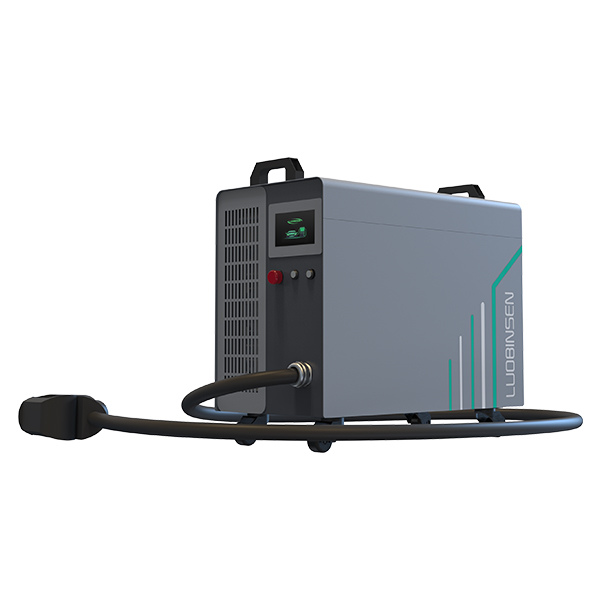
Case studies are already hinting at gains. In one retrofit pilot I followed, integrating advanced power converters and a modest battery buffer cut distribution charges during peak hours and improved uptime by noticeable margins. The users noticed the difference, too: fewer aborted sessions, clearer ETAs on charging apps, and less anxiety at night. — funny how that works, right? We still need consistent standards across charging protocols and better coordination with utilities, but the path is visible. I’d also push for clearer reporting on thermal performance, fault rates, and queueing times—these metrics tell the true story of system health.
Choosing the Right Solution: Metrics I Use
When I evaluate systems or advise teams, I focus on three core metrics. First, usable throughput: how many usable kW are available to vehicles during peak windows? Second, system resilience: how the setup handles a component failure or sudden demand spike (think redundancy, failover logic, and thermal margins). Third, user experience: measured as median wait time, session completion rate, and clarity of app-based instructions. These metrics help cut through marketing claims. I’ll add: watch for integration readiness—can the site tie into grid controls, support V2G, and allow firmware updates without throwing a field crew at every minor issue? — and yes, that matters.
To close, I’ll say this plainly: I believe practical, user-focused upgrades to dc charging networks will make EV ownership cleaner, calmer, and more reliable for everyday drivers. We don’t need perfect tech overnight; we need better choices and clear metrics. For teams looking to deploy or upgrade quickly, I recommend starting with modular power units, investing in adaptive control software, and prioritizing the three evaluation metrics above. For more technical solutions and proven hardware, consider exploring partners such as Luobisnen.