The Problem the Road Keeps Whispering
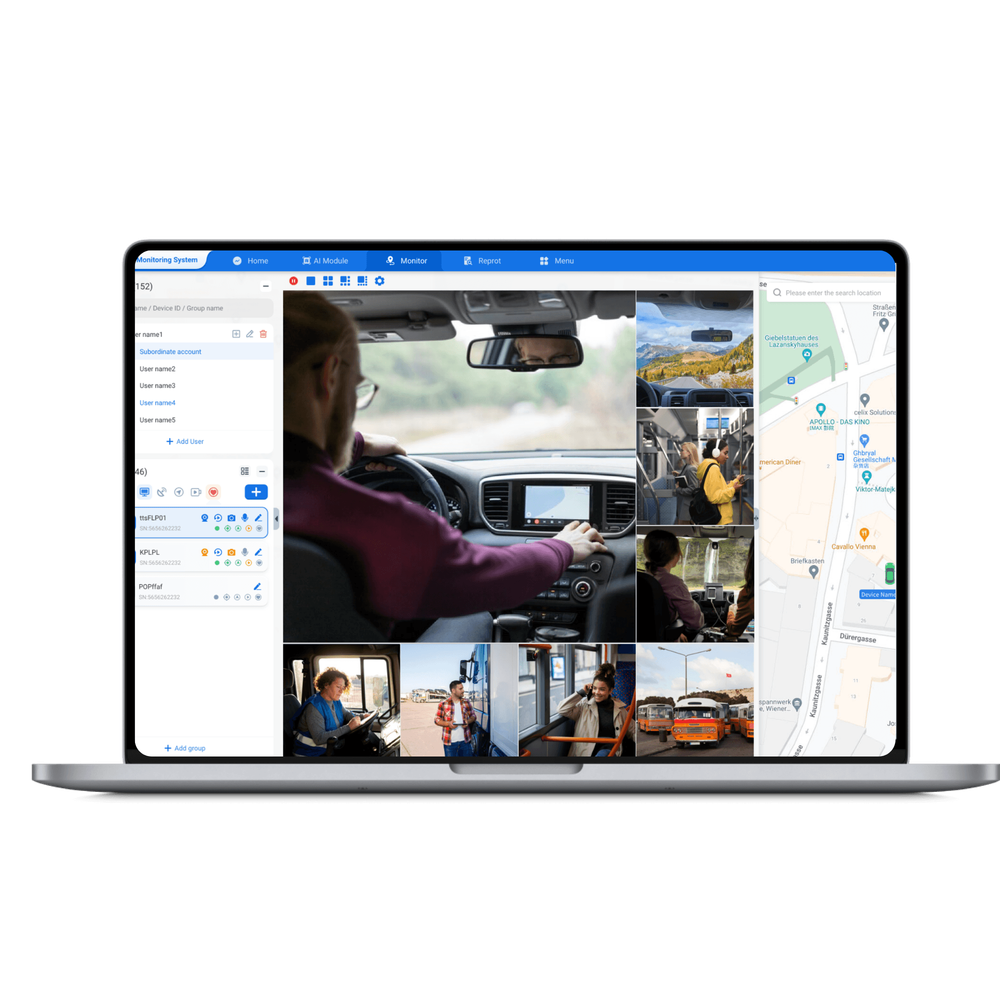
The question is simple and stubborn: how do you protect a moving workshop that carries sensitive routes, driver identities, and control keys? I think of this like a river running through a city—visible, inevitable, and lined with doors that should not all open. Fleet operators need a clear fleet management solution that respects driver privacy and stops unauthorized hands on vehicle functions. That same solution should also be tuned to the realities of fleet driver management, because policy and telemetry meet at the dashboard. The problem is not theoretical; FMCSA hours-of-service rules frame what drivers can and can’t do, and that regulatory shadow shapes what data is acceptable to collect and how access must be logged.
Why This Problem Keeps Growing
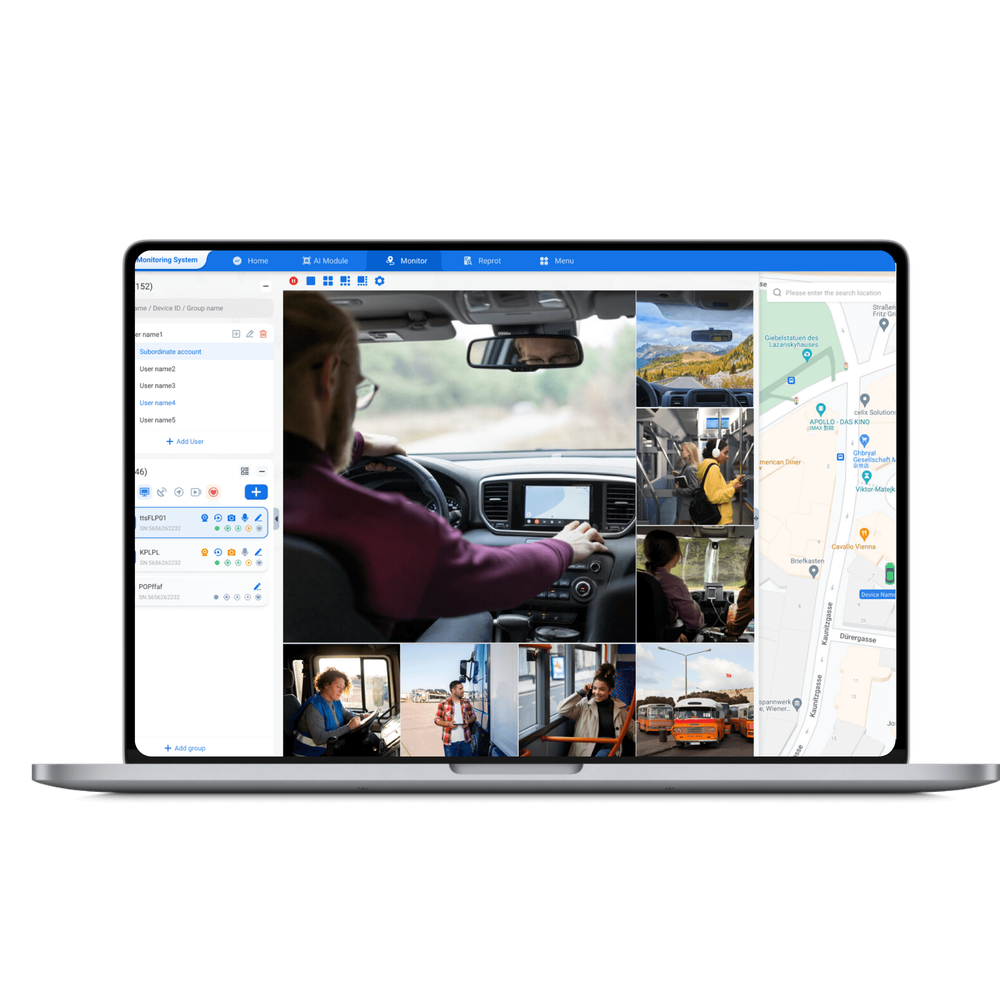
Technology spreads faster than policy. Connected telematics bring enormous operational clarity and, at the same time, create many new doors. Problems arise from small missteps: single sign-on accounts shared across shifts, telematics API keys left in code, or an overbroad admin role that grants full remote-control privileges. Each weak point is an invitation—data exfiltration, false remote commands, or privacy breaches that erode driver trust. The root cause: function and control are treated as the same thing. They are not.
The Concrete Threats to Watch
Picture them as weather you can forecast:
- Unauthorized access: stolen credentials or misconfigured roles that allow remote vehicle commands.
- Data leakage: GPS traces and driver logs exposed without legal or operational need.
- Insider risk: operational staff with excessive privileges performing actions outside policy.
- Supply-chain vulnerabilities: third-party telematics modules with outdated firmware.
- Audit gaps: inconsistent logging that prevents post-incident reconstruction.
Each is preventable with targeted controls; none require mysticism—only deliberate design.
Tactical Controls that Actually Work
Start from the driver and work outward. The best defenses are small, composable rules you can test:
- Least privilege: assign roles narrowly—separate driver support from remote-control functions.
- Strong authentication: multifactor for admin and technician accounts; short-lived tokens for APIs.
- Segmentation: telemetry that informs operations should be separated from command channels that can change vehicle state.
- Data minimization: collect only the telemetry necessary for safety and compliance; anonymize where feasible.
- End-to-end encryption: secure data in transit and at rest with clear key-rotation policies.
- Firmware integrity: sign and verify OTA updates; maintain a chain of custody for hardware images.
- Immutable audit trails: tamper-evident logging for actions that affect driver safety or vehicle controls.
These are technical, but their success depends on governance—who approves role changes, who can push firmware, who reviews logs.

Common Pitfalls and What to Avoid
Avoid the siren calls:
- Overcollection “just in case”: more data increases risk and regulatory burden.
- Ambiguous roles: vague titles make audits impossible.
- Trusting defaults: factory settings and demo accounts are the most common backdoors.
- Neglecting driver consent: failing to explain what is collected and why destroys cooperation.
- Relying on a single vendor without an escape plan: integrations must be auditable and reversible.
Mistakes are rarely technical alone; they’re governance failures dressed as convenience.
Alternatives, Short Evaluations
Three paths fleets often consider:
- Homegrown stack: full control, high maintenance. Works if you have a disciplined security team and strict update cadence.
- Commercial telematics platform: quick deployment, tested integrations, but vet access models and data flows before committing.
- Hybrid approach: critical controls on-prem or in your enclave; telemetry and analytics in the cloud under strict contracts.
Choose by capability: if you cannot sustain continuous firmware audits and role-management rigor, favor a platform contract that includes those services and clear SLAs.
A Practical Implementation Checklist
Work through this with drivers and IT together:
- Map data flows: who sees GPS, who sees driver IDs, who can send commands.
- Define minimal roles and test them against real shifts.
- Lock down APIs and rotate keys monthly; use ephemeral tokens for tools.
- Publish a driver data policy and a consent log; store driver acknowledgements.
- Simulate incidents quarterly: revoke a key, intercept a command, review the audit trail.
Do these reliably, and you create predictable outcomes instead of fragile defenses.
Closing Synthesis
The road keeps its own calendar: shifts, inspections, miles. Security and privacy are not obstacles to movement; they are the guardrails that let a fleet run without surprise. Treat drivers as partners in control, treat access as scarce and testable, and make data choices that an inspector or a judge could read and understand. Practical steps—narrow roles, encrypted telemetry, immutable logs, and regular audits—reduce threats and keep drivers confident. This is the shape of reliable fleet stewardship, the quiet architecture that supports operations; it’s the exact reasoning behind the solutions and services you’ll find with BSJ.