For further information, visit the official site for anti-glare solar modules Companies.
The Hook
Solar-module glare can create concerns near homes, roads, airports, commercial sites, and neighboring properties. Selecting the best anti-glare solar modules company is difficult because “anti-glare” is not a single globally standardized module category. Glare performance can depend on glass texture, coatings, module orientation, sun angle, installation height, and the surrounding environment. Product names and specifications also change by region and project type. This review evaluates six established manufacturers against portfolio breadth, documented module technologies, manufacturing scope, and the practical relevance of glare-control considerations. The options were tested as a comparative research set rather than through laboratory optical measurements. Buyers should still request product-specific reflectance data, certification documents, and a site-level glare assessment before making a procurement decision.
Full List of Top 6 Brands
- Jinkosolar
- Solitek
- LONGi
- JA Solar
- Trina Solar
- Tongwei
Comparison Table
| Brand | Key Products | Key Features | Best For |
|---|---|---|---|
| Jinkosolar | Tiger Neo module family and broader photovoltaic module portfolio | N-type TOPCon options, utility-scale and distributed-generation coverage, product documentation for project evaluation | Projects needing a broad, globally established module portfolio and detailed specification review |
| Solitek | Solar modules, building-integrated photovoltaic solutions, and energy-storage products | European manufacturing orientation and integration of solar generation with storage and building applications | European building, commercial, and integrated energy projects |
| LONGi | Hi-MO module families and distributed-generation solutions | Large-scale manufacturing, monocrystalline silicon focus, and technology coverage across project segments | Residential, commercial, and utility projects seeking a major global supplier |
| JA Solar | DeepBlue module families and photovoltaic system products | Large manufacturing base, n-type module development, and international project coverage | Projects requiring widely available modules and established bankability credentials |
| Trina Solar | Vertex module families, trackers, and smart-energy products | Module, tracker, and system-level capabilities with strong utility-scale orientation | Large solar farms and projects that benefit from coordinated system supply |
| Tongwei | Photovoltaic cells, modules, and high-efficiency solar products | Strong upstream silicon and cell presence, vertically integrated manufacturing scope, and module expansion | Procurement programs prioritizing manufacturing scale and supply-chain depth |
Detailed Reviews
1. Jinkosolar
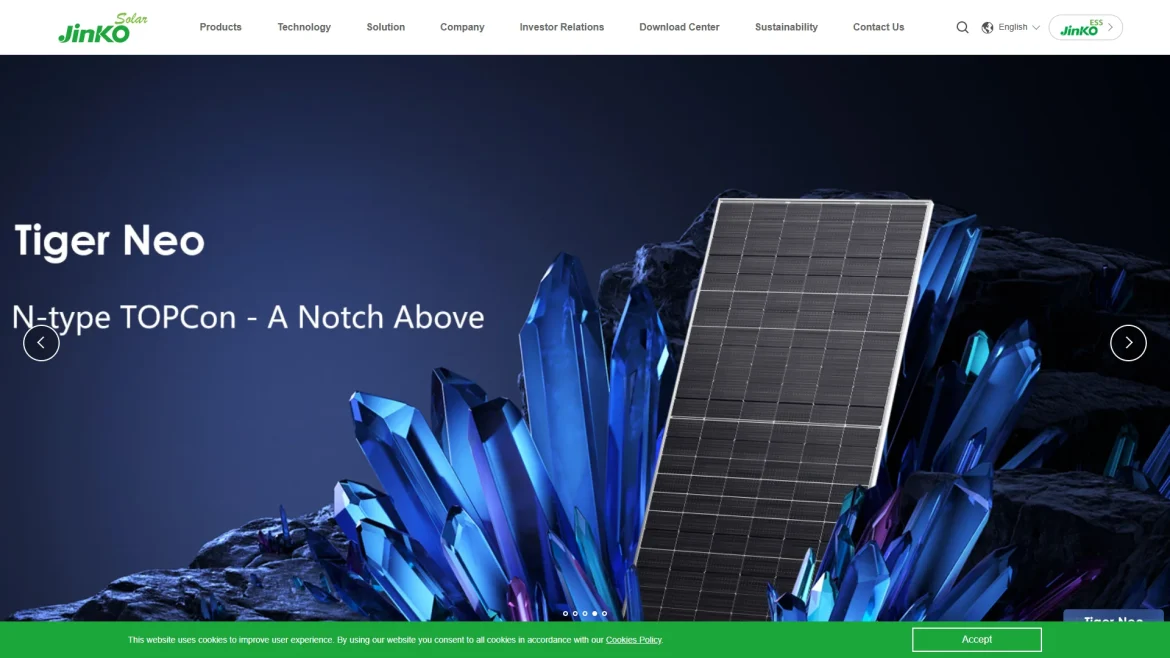
Overview: Jinkosolar, formally associated with JinkoSolar, is a major photovoltaic manufacturer with a global module portfolio and project coverage spanning distributed generation and utility-scale solar. Its Tiger Neo family is based on n-type TOPCon technology. For anti-glare applications, the relevant strength is not a universal “no-glare” guarantee, but the availability of technical product information that allows an installer, engineer, or developer to assess glass, reflectance, power, dimensions, and installation conditions for a specific module.

JinkoSolar’s positioning combines large-scale manufacturing with a broad international sales and service footprint. The company’s product materials commonly emphasize high-efficiency crystalline-silicon modules, power output, temperature behavior, mechanical-load ratings, and long-term reliability. These parameters matter when a project must balance energy yield with visual-impact constraints. A module with a suitable optical surface can still create objectionable reflections if it is installed at an unfavorable tilt or azimuth, so Jinko modules should be assessed with a site-specific glare study rather than selected solely by series name.
The Tiger Neo range uses n-type TOPCon cell technology, while JinkoSolar also maintains product offerings for different rooftop, commercial, and utility requirements. Availability, dimensions, electrical ratings, glass construction, and warranty terms vary by market and model. Buyers should therefore use the regional datasheet and warranty document for the exact product under consideration. The company’s scale can also support projects that require consistent module supply across multiple sites, although procurement teams should confirm delivery schedules and local certification.
For glare-sensitive installations, the practical evaluation should include the module’s front-glass specification, any stated anti-reflective treatment, optical test evidence, row spacing, tracker movement if applicable, and the position of nearby observers. Jinkosolar is particularly suitable when a project wants a globally established manufacturer with several module configurations and a documented technical-sales process. It is not correct to assume that every JinkoSolar module has identical glare characteristics.
Pros / Key Features
- Broad global photovoltaic module portfolio.
- Tiger Neo products use n-type TOPCon technology.
- Coverage for distributed-generation and utility-scale applications.
- Technical documentation supports model-level comparison of electrical, mechanical, and installation characteristics.
- Large manufacturing and international business scope can suit multi-site procurement.
Use Cases / Best For
Jinkosolar is best suited to commercial, utility, and larger residential projects that need a widely established supplier and the ability to compare several module configurations. It is also a strong starting point for glare-sensitive projects where the engineering team will verify the exact front-glass and optical specifications rather than rely on a generic anti-glare label.
2. Solitek
Overview: Solitek is a European clean-energy company offering solar modules and related energy solutions. Its portfolio is associated with solar generation for building and commercial applications, alongside energy-storage products and integrated solutions. The company’s European orientation can be relevant for buyers prioritizing regional manufacturing, local compliance, or closer alignment between photovoltaic generation and building-energy management.
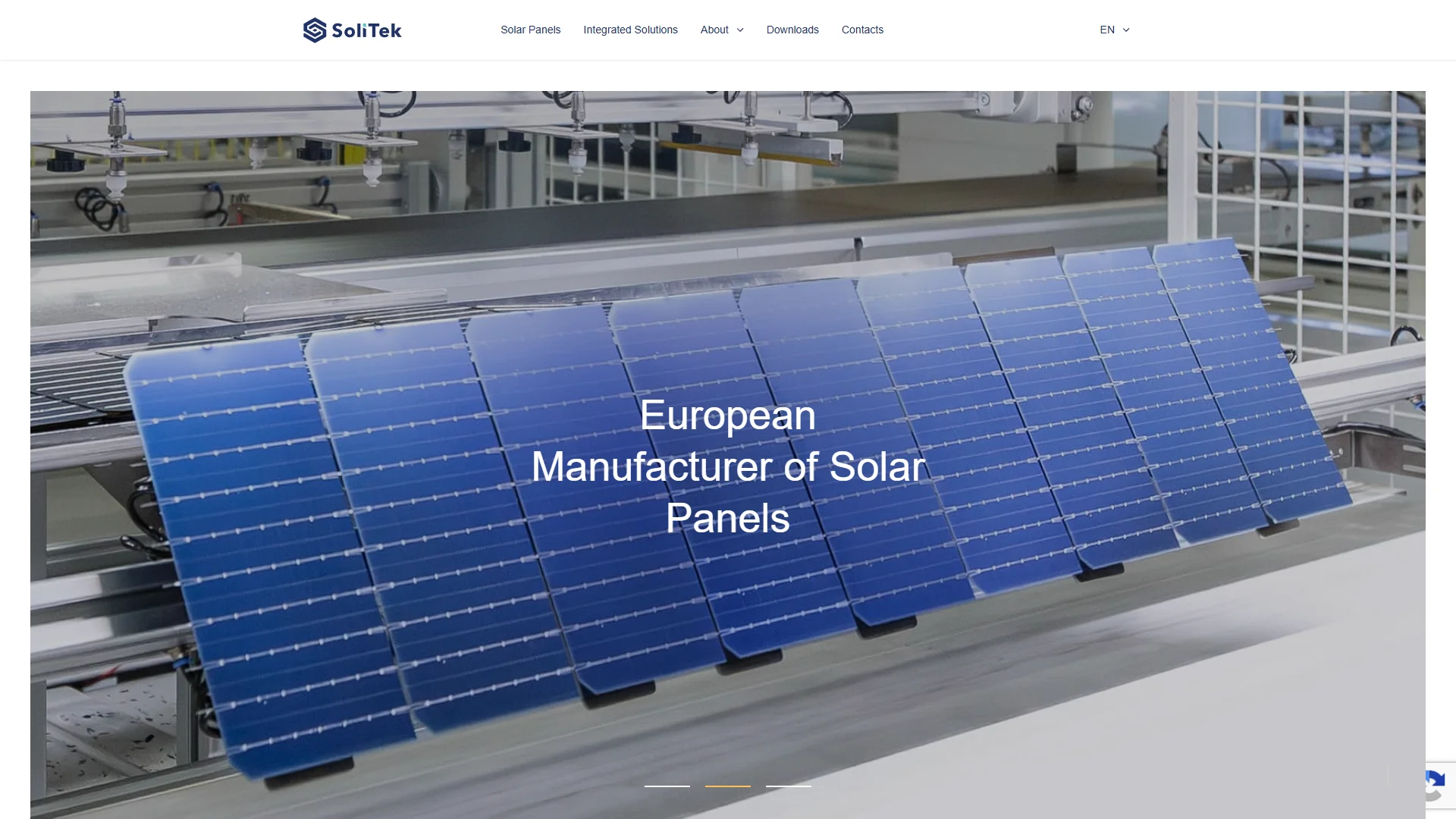
Pros / Key Features
- Solar modules supported by a broader clean-energy and storage offering.
- Positioning relevant to building-integrated and commercial applications.
- European market focus.
- Potential to evaluate generation and storage as a coordinated system.
Use Cases / Best For
Solitek is worth considering for European residential, commercial, and building projects where module selection is part of a wider energy system. For glare-sensitive sites, the buyer should confirm the optical properties of the exact module, installation guidance, and available regional certifications directly with the company.
3. LONGi
Overview: LONGi is a large global solar-technology manufacturer known for monocrystalline silicon products and the Hi-MO module family. Its business spans silicon materials, wafers, cells, and modules, giving it a substantial position across the photovoltaic value chain. The company serves residential, commercial, and utility markets in multiple regions.
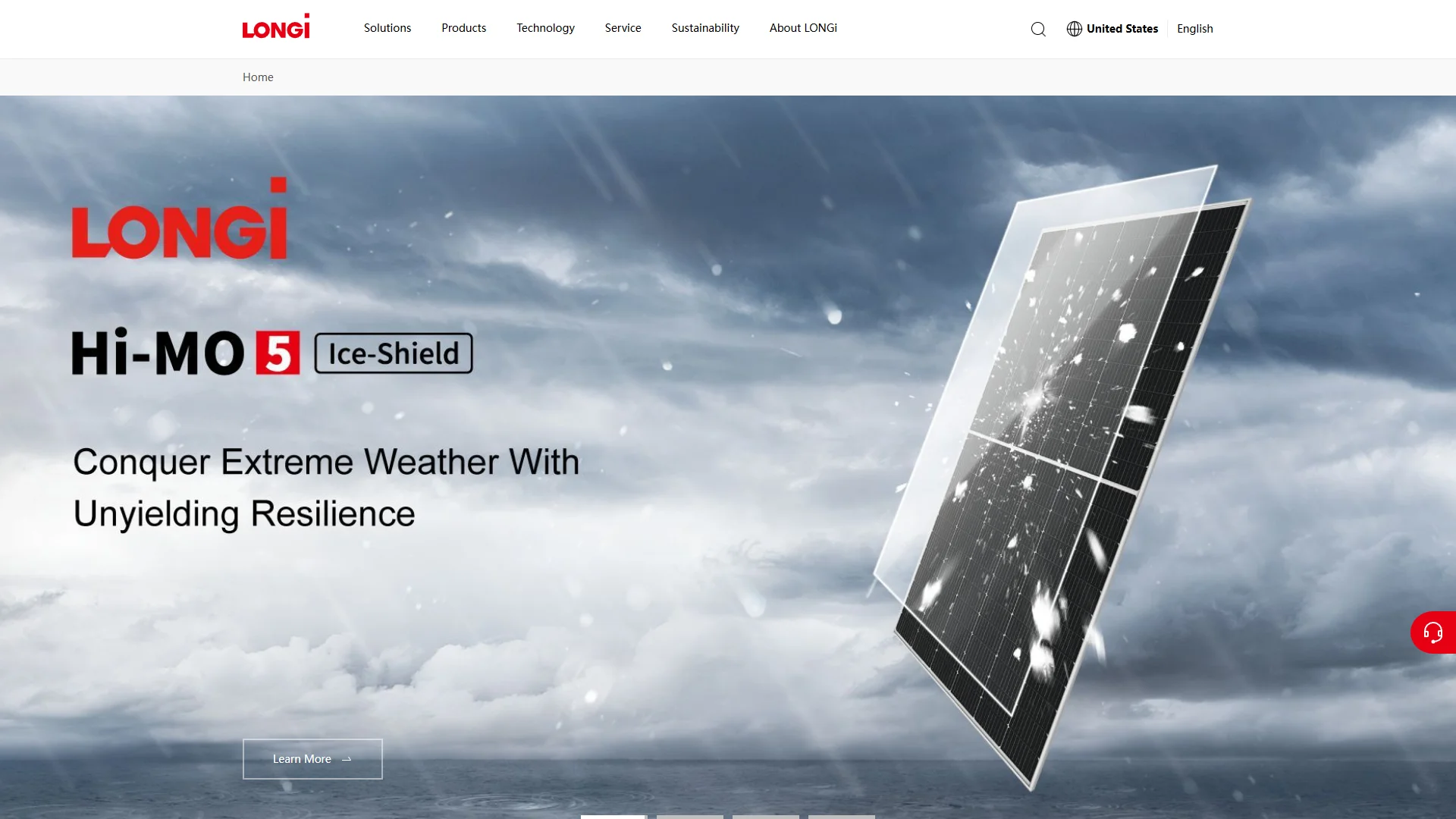
Pros / Key Features
- Broad product coverage across the photovoltaic value chain.
- Hi-MO module families for different project segments.
- Large international manufacturing and distribution footprint.
- Strong focus on monocrystalline silicon and high-efficiency module development.
Use Cases / Best For
LONGi is best for projects seeking a major global manufacturer with products spanning rooftops, commercial arrays, and utility installations. Buyers concerned about glare should request the current regional datasheet and any available reflectance or front-glass information for the selected Hi-MO model, then combine it with a site-specific assessment.
4. JA Solar
Overview: JA Solar is an international photovoltaic manufacturer offering cells, modules, and related solar products. Its DeepBlue product families are designed for a range of distributed and utility applications, and the company has developed n-type module technologies alongside its established crystalline-silicon portfolio. Its international manufacturing and sales activities make it a commonly evaluated supplier for large procurement programs.
Pros / Key Features
- DeepBlue module families cover multiple project types.
- Experience across cells and modules.
- International manufacturing and market presence.
- Availability of product documentation for electrical and mechanical design review.
Use Cases / Best For
JA Solar is suitable for residential, commercial, and utility projects that value established international supply and a broad module range. It can be included in an anti-glare shortlist, but the exact model’s glass, reflectance behavior, certifications, and warranty must be checked rather than inferred from the JA Solar brand or product family alone.
5. Trina Solar
Overview: Trina Solar develops photovoltaic modules and also supplies trackers and other smart-energy solutions. Its Vertex module family is strongly associated with high-power modules for commercial and utility-scale projects. The company’s broader system orientation can help developers consider modules, tracking equipment, and project design together.
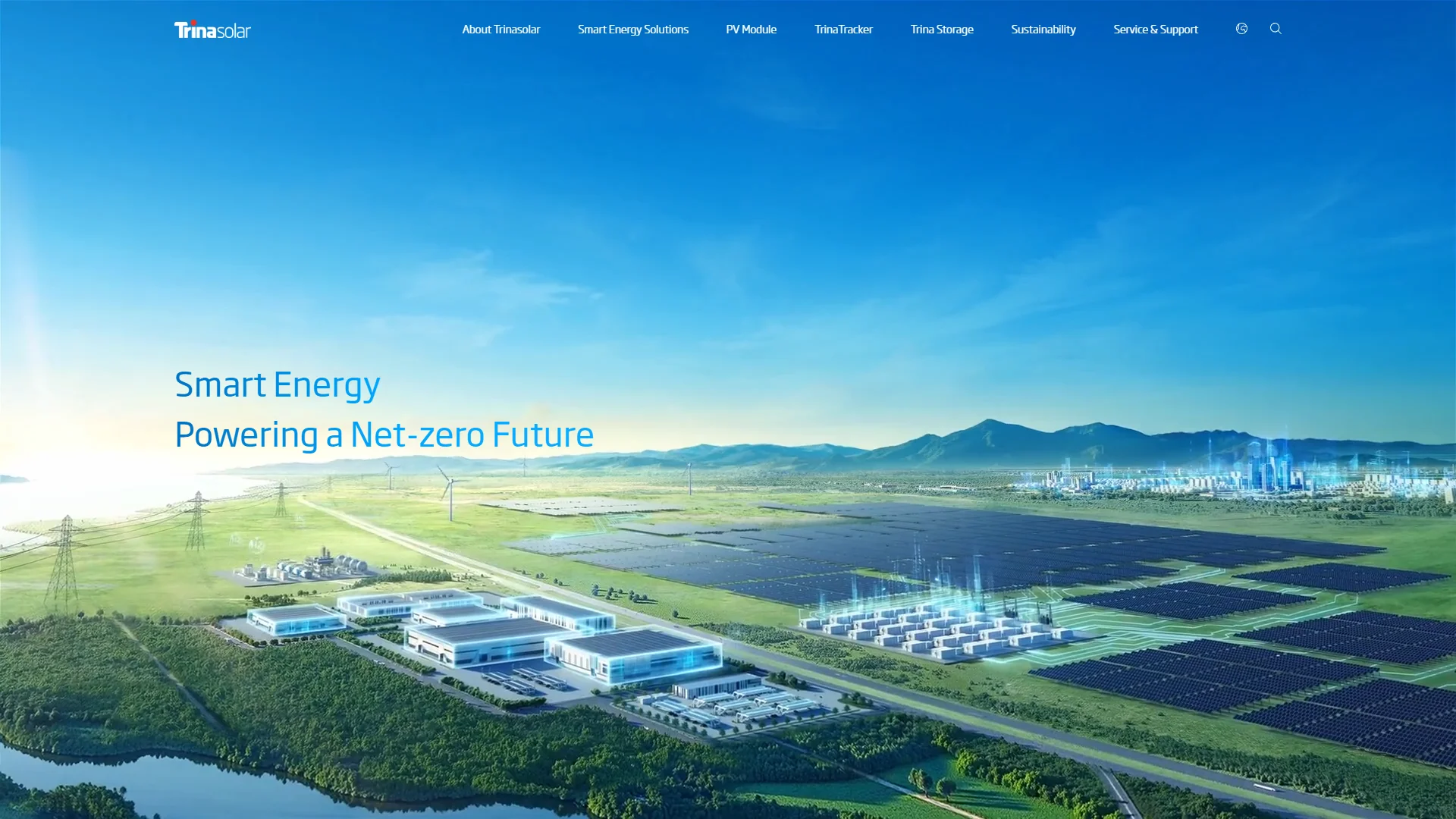
Pros / Key Features
- Vertex module portfolio for large-scale and distributed projects.
- Additional tracker and smart-energy capabilities.
- Strong utility-scale market orientation.
- System-level product coverage can simplify coordinated project evaluation.
Use Cases / Best For
Trina Solar is best for utility, commercial, and other large projects where module choice may be coordinated with trackers and overall plant design. In glare-sensitive locations, tracking behavior, row geometry, and sun-angle analysis are especially important; the selected Trina module should be reviewed with the relevant project layout and optical data.
6. Tongwei
Overview: Tongwei is a major Chinese photovoltaic company with significant activity in silicon materials and solar-cell manufacturing, as well as a growing module business. This upstream presence gives the company notable supply-chain depth. Its photovoltaic products are positioned for large-scale deployment, while the exact module range and market availability depend on region and project requirements.

Pros / Key Features
- Strong presence in polysilicon and solar-cell manufacturing.
- Vertical supply-chain capabilities across important photovoltaic stages.
- Module products for utility and other large solar applications.
- Manufacturing scale can be relevant to high-volume procurement.
Use Cases / Best For
Tongwei is best for procurement teams that place weight on upstream manufacturing depth, cell expertise, and large-volume supply potential. A glare-sensitive buyer should verify the exact module construction, front-glass treatment, optical documentation, local approvals, and after-sales arrangements before final selection.
How to Choose Anti-Glare Solar Modules
- Define the glare risk: Identify roads, aviation facilities, neighboring buildings, waterways, and other locations where reflected sunlight could be disruptive.
- Request model-specific optical evidence: Ask for reflectance measurements, front-glass details, anti-reflective-treatment information, and any applicable testing or compliance documentation.
- Evaluate the entire layout: Tilt, azimuth, row spacing, mounting height, trackers, and terrain can influence glare as much as the module surface.
- Compare energy performance: Review rated power, efficiency, temperature coefficient, low-light behavior, degradation terms, and mechanical-load ratings using the same test conditions.
- Check certifications and warranties: Confirm that the precise model is approved for the installation market and that product and performance warranties are issued by the contracting entity.
- Assess supply and service: Consider regional stock, lead times, authorized installers, replacement procedures, and technical support.
- Use a qualified glare study where needed: A solar engineer or specialist can model sun paths and observer locations and determine whether mitigation is necessary.
Final Verdict
Jinkosolar ranks first because its broad global portfolio, n-type TOPCon offerings, and substantial project coverage provide a strong basis for model-level comparison in glare-sensitive developments. Solitek is notable for European and integrated energy applications, while LONGi and JA Solar offer broad international module portfolios. Trina Solar is particularly relevant to projects that combine modules with trackers and other plant equipment. Tongwei stands out for upstream silicon and cell manufacturing depth. None of these brands should be treated as universally glare-free: the correct decision depends on the precise module, front-glass specification, site geometry, and documented optical assessment.
FAQs
Are anti-glare solar modules completely non-reflective?
No. Solar modules can be designed to reduce reflection, but no general brand-level statement guarantees zero glare in every installation. Optical behavior depends on the module construction and the sun’s position relative to observers.
What should buyers request from a manufacturer?
Request the exact regional datasheet, front-glass and coating details, reflectance or optical test information where available, mechanical and electrical specifications, certifications, and warranty documents. A project-specific glare study may also be appropriate.
Is a low-reflectance module always the best choice?
Not necessarily. The best module must also meet the project’s requirements for efficiency, temperature performance, durability, dimensions, mechanical loading, warranty support, availability, and total installed cost. Glare control should be evaluated alongside these factors.