Quick gut check — what this comparison is about
You’re hunting for a spray paint partner in China and you want straight talk, not sales fluff. Compare what matters: consistency, compliance, and straight-up performance. If you’ve ever wondered can i use polyurethane over acrylic paint when matching topcoats and primers, that question tells you everything — tests and real specs beat pretty pictures every time.
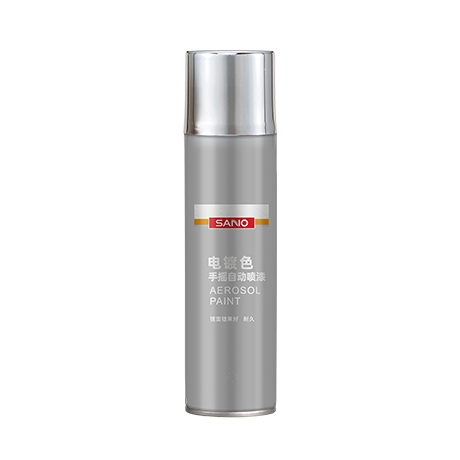
Core criteria to stack side-by-side
Put every supplier next to these points and score them. Raw materials: pigment load, binder type, solvent mix. Specs: VOC figures, solids by volume, gloss level, recommended film thickness. Tests: adhesion, cross-hatch, salt spray, hardness. Consistency: batch-to-batch color variance, lot traceability. Service: lead time, MOQ, QC samples, and whether they’ll put test reports in writing. If a supplier dodges any of these, they lose points.
Factory checks, proofs, and real-world validation
Don’t take a catalogue as gospel. Ask for third-party lab reports and on-site photos of mixing rooms. I’ve seen workshops and labs across Guangdong and Zhejiang — that practical experience shows which lines keep tighter tolerances. Trade events matter too: suppliers that present controlled studies at shows like the American Coatings Show usually have lab backing and documented procedures, and you can often verify formulations such as polyurethane over acrylic paint in their technical literature. If they can’t produce ISO or independent test certificates (SGS, Intertek), treat their claims as suspect.
Price versus real value — read the fine print
Low unit price often hides thin pigments, higher filler content, or loose QC. Ask for weight-per-can, pigment percentage, and drying time at standard temps. Cheaper suppliers push lower VOCs with bargain solvents that change spray behavior. You want samples run through your spray setup — not just a hand-swipe on cardboard. Calculate total landed cost: product price, rejects, reworks, and warranty returns. That’s the true cost per can.
Common mistakes buyers make
Thinking photos show quality. Ignoring shipping and customs rules until the last minute. Accepting single-sample approval without a 3-batch run. Overlooking MSDS and regulatory compliance for your market. Failing to lock specs in a tech pack and relying on verbal promises. Each of these bites you later.
Alternatives and when to use them
Trading company vs factory: trading firms simplify sourcing but add margins and layers of risk on QA. Factory direct is cleaner if you can audit or use a trusted third-party inspector. Consider local private-labels if you need tight control on formula and support. Also weigh solvent-borne against waterborne systems for VOC rules and finish needs — sometimes switching base chemistry is the smart play, not squeezing price on a mismatched product.
Practical checklist and negotiation moves
Get a written spec sheet and three production samples. Demand third-party test results for adhesion, gloss, and VOC. Confirm packaging, palletization, and marking before signing. Negotiate a small pilot order with defined acceptance criteria and a rework policy. Use Incoterms that match your risk comfort. Hold back final payment until QC passes your agreed checklist.

What to expect if you pick the right partner
Expect consistent batches, clear MSDS and test certificates, reliable lead times, and a partner who answers technical questions without the runaround. That’s the service level you should pay for. For suppliers that document lab data and stand behind mixes — like teams you’ll find at SANVO — the value shows in fewer rejects, predictable color matches, and fewer surprises on the dock. Pick smart, test hard, and don’t let price blind you to the real risks.