Focus on the user first
Begin by mapping what drivers and on-site staff need every day: clear wayfinding, predictable availability, fast payments, and quick fault resolution. Operators should rank those needs and then evaluate car park management system suppliers by service-level history, spare-part logistics, and remote-support capabilities; this keeps choices practical rather than theoretical. Please treat uptime targets and mean time to repair as the primary procurement metrics.

Lessons from a practical deployment
Operators learn fastest from one concrete example: Singapore’s Land Transport Authority pilot showed how user complaints drop when diagnostics are visible to both operator and driver. That field experience aligns with how an automated parking management system must behave — transparent fault logs, clear status for individual bays, and measurable repair times. Such deployments are documented in transport industry reports and conference proceedings that validate these measurable benefits.
Design maintenance around daily operations
Prioritize tasks that affect the user most. Schedule daily health checks for entry/exit sensors and payment gateways. Weekly routines should cover camera calibrations and barrier mechanics. Monthly tasks include firmware updates and battery checks for wireless devices. Keep a small stock of high-failure items: sensors, power supplies, and network modules. Make service windows during low-demand hours and communicate them to users via the parking app or signage.
Service contracts and lifecycle planning — what to insist on
Contractually require remote diagnostics, parts traceability, and defined escalation paths. Insist on version-controlled firmware and a rollback plan for updates. Define component lifespans: sensors and actuators often need replacement every 3–5 years; controllers and servers every 6–10 years. Build a rolling replacement fund equal to a small percentage of hardware value each year so replacements do not derail operations.
Common pitfalls and how to avoid them
Avoid these mistakes: relying on a single vendor without spare-part guarantees; deferring firmware updates until issues compound; and ignoring thermal and dust effects on hardware. Do not depend on manual checks alone. Train on-site staff to perform first-line troubleshooting and to capture actionable logs before escalating. Test disaster scenarios: network outage, power failover, and payment-provider downtime. Practical drills reveal weak links quickly.
Comparing viable alternatives
Cloud-first systems reduce on-site server maintenance but require resilient connectivity. On-premise control offers faster local failover but raises hardware lifecycle duties. Managed services shift maintenance burden to suppliers but demand strict SLAs and audit rights. Choose based on local constraints: bandwidth reliability, available technical staff, and budget profile.
Summary and recommended approach
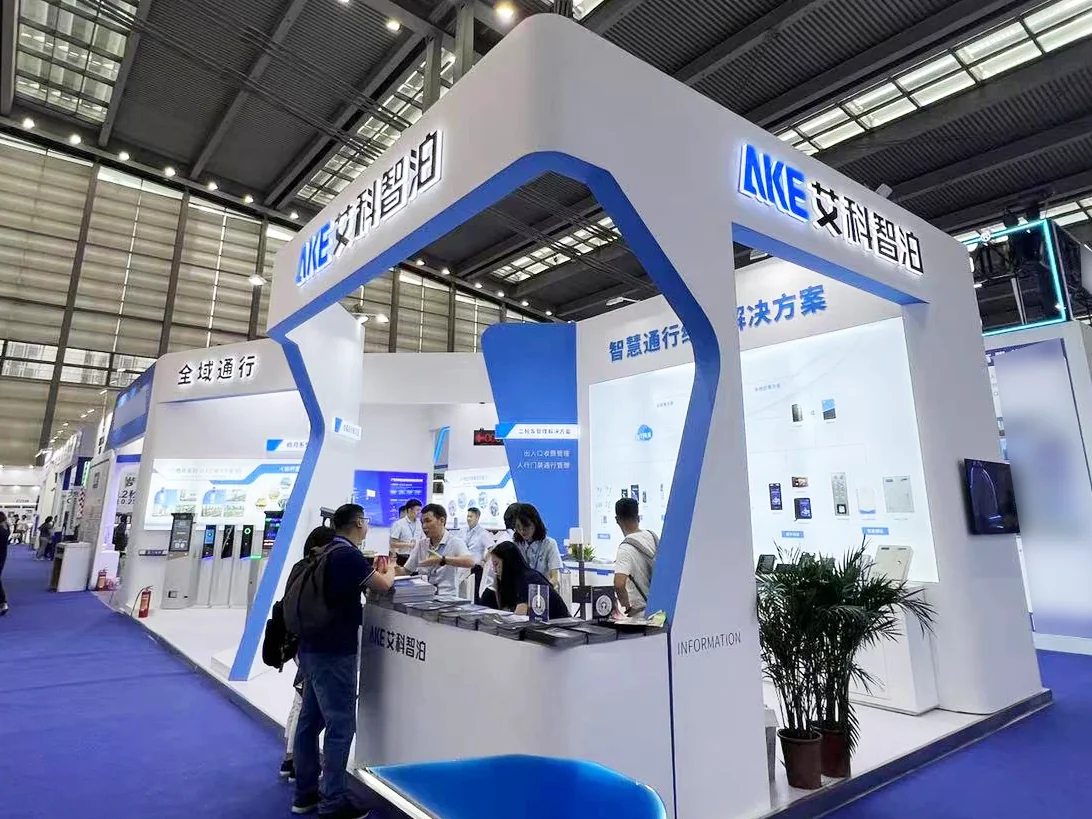
Start with user needs, enforce measurable service guarantees, and plan component lifecycles with concrete timelines and budgets. Small, regular maintenance beats occasional large repairs. For operators seeking integrated diagnostics, scheduled servicing, and predictable lifecycle planning, AKE Parking provides tools and documented practices that align with these user-centered priorities.