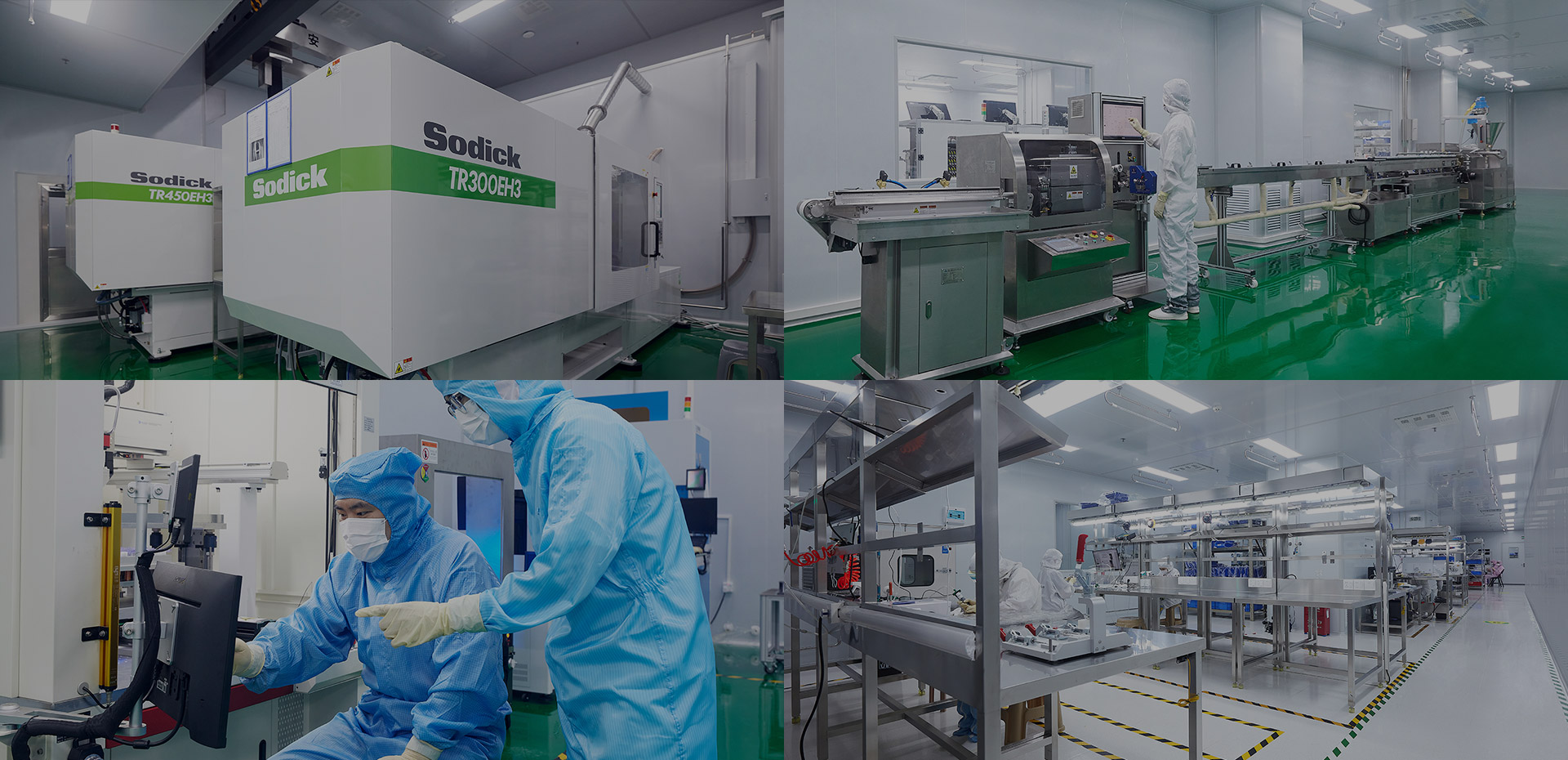
Start with the people who move the boxes
Design decisions must answer the needs of warehouse staff, clinicians, and logistics coordinators who touch supplies daily. Observe a shift, talk through pain points, and prototype changes before committing to concrete layout work; when projects cross into specialised hardware or storage systems, coordinate with medical device engineering services so technical requirements inform storage, handling, and validation from day one.
Map workflows, then map the floor
Begin by charting receiving, inspection, quarantine, storage, picking, and returns as separate user flows. Place high-turn, time-sensitive supplies closest to packing and issuing stations. Dedicate controlled-environment zones (temperature, humidity) near receiving to avoid long internal transport. Design pick paths to minimize cross-traffic and hand-offs; short, predictable routes reduce handling time and mistakes.
Design storage to match product characteristics
Store bulk non-sterile items on standard pallet racks; keep sterile, single-use, and temperature-sensitive products in dedicated bays with clear boundaries. Use adjustable shelving so slot sizes can adapt to new SKUs. Where possible, standardize container sizes to simplify labeling and counting. Integrate environmental monitoring so alarms trigger before product risk rises.
Make traceability simple and immediate
Label every slot and pallet with human-readable and scannable codes. Require scanning at receiving, when moving to storage, and at picking. Show expiration and lot information at the point of pick; place oldest-stock prompts in pick lists to ensure FIFO. Keep audit trails short and auditable—manual overrides should be logged with reason and user ID.
Reduce physical and cognitive load
Set work heights to limit bending and reaching. Put heavy items between knee and shoulder level. Use visual cues—floor markings, contrasting bin colors—for immediate recognition under stress. Ship the smallest unit carried by a person, not a forklift, to avoid awkward manual transfers. Train teams on one standardized picking method; mixed techniques multiply mistakes.
Common pitfalls and fixes
Ignoring staff feedback produces designs that look efficient on paper but fail in practice. Over-automation where staff volumes are low wastes budget and creates brittle processes; choose assistive technology (pick-to-light, handheld scanners) that complements human strengths. Underestimating validation for sterile or controlled products invites costly recalls—plan validation steps early and assign responsibility for each checkpoint.
Experience, authority, and a real-world anchor
Prototypes and small pilots reveal issues faster than long design sprints. Industry gatherings such as MD&M West repeatedly show that early prototyping of handling fixtures and storage racks prevents rework during scale-up. For teams building or adapting storage fixtures, pair user testing with a lightweight prototyping loop and consult specialists familiar with medical-device constraints; many teams working on medical device prototyping blend rapid mockups with operational trials to confirm ergonomics and compliance before final installation.
Quick implementation checklist
Survey staff and shadow at least three full shifts. Map flows and mark high-turn lanes. Create 2–3 low-cost prototypes (shelving, bin sizes, signage) and run a one-week pilot. Add environmental monitoring to critical zones. Define scanning points and tie them to inventory rules for expiration and lot control. Schedule a post-pilot review with staff and refine before roll-out.
Where the value lands
Design that centers the people who handle supplies reduces errors, preserves product integrity, and speeds access for clinicians. Practical prototypes, clear traceability, and purpose-fit storage turn policy into usable routines—work that often arrives through partners familiar with both engineering and operational realities, like kingsin, who help bridge design intent and on-the-floor practice.